
Support Politikanta Minute
Your support keeps independent commentary alive.
☕ Buy us a coffee and keep the conversation going
Latest Videos
Curated Politikanta Minute playlists by focused political topic.
DUTERTE Issues
Latest DUTERTE-related updates, reactions, political tension, hearing clips, and issue breakdowns.
Watch MoreBBM Legacy Playlist
Senate Circus Playlist
House of Representatives Scandals Playlist
Celebrity Updates
Sports
🎵 Music
18 Marines Playlist
Global Entertainment Playlist
Global News Playlist
Bible Scripture Playlist
Breaking News Playlist
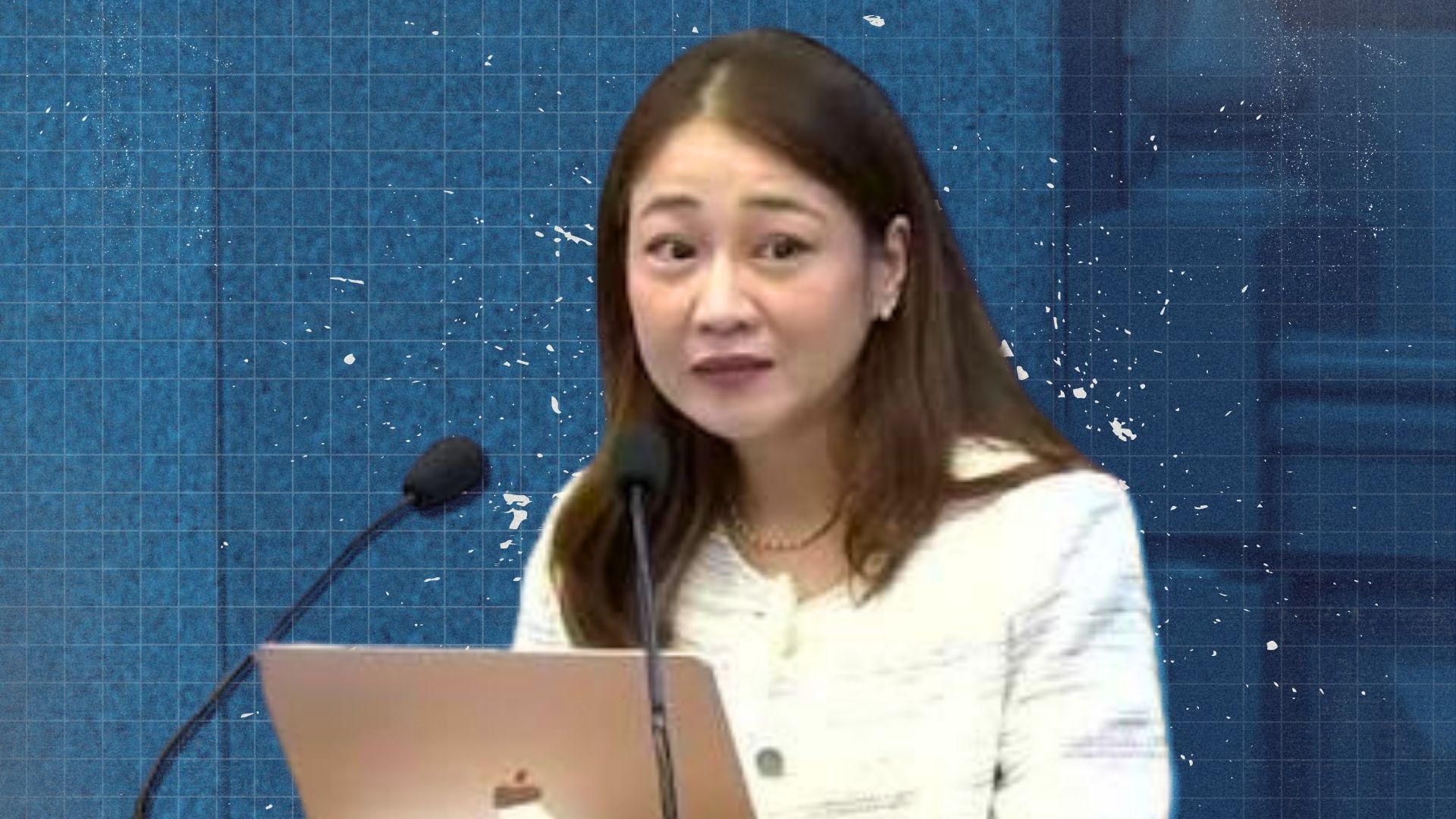
“We Will Try to Behave”: Prosecution Apologizes Over “Scam” and “Mastermind” Remarks
MANILA — Private prosecutor Atty. Mae Divinagracia apologized during the impeachment trial of Vice President Sara Duterte after defense counsel Atty. Kristine Ferrer asked the impeachment court to address what the defense described as inappropriate and seemingly disrespectful language repeatedly used by the prosecution.
Among the terms questioned by the defense were “mastermind” and “scam,” which had been used by the prosecution while presenting its allegations.
Divinagracia acknowledged the concern and offered an apology.
“We apologize if, sometimes, we get carried away by our zeal and our passion, Your Honor. We will try to behave.”
Defense Calls Attention to Prosecution's Language
Ferrer appealed to the impeachment court to remind the prosecution to exercise restraint in its language during the proceedings.
The defense objected to terms that it considered inappropriate and potentially prejudicial, particularly when describing the alleged actions of Vice President Sara Duterte.
The words “mastermind” and “scam” became specific points of contention.
“We Will Try to Behave”
Rather than prolonging the dispute, Divinagracia apologized.
She explained that the prosecution's lawyers could sometimes become carried away by their “zeal” and “passion” while presenting their case.
She then told the court:
“We will try to behave.”
The statement brought the heated exchange back toward courtroom decorum.
Why the Words Matter
The terminology used during an impeachment trial matters because the proceedings are not simply a political debate.
Words such as “scam” and “mastermind” carry strong implications.
Calling something a “scam” suggests a deliberate scheme involving deception or wrongdoing.
Calling someone a “mastermind” suggests that the person was the principal architect behind an alleged scheme.
Whether those descriptions are ultimately supported by evidence is a matter for the senator-judges to determine.
Prosecution Previously Called It a “Scam”
The apology follows the prosecution's earlier explanation for repeatedly using the word “scam.”
When asked why the term was being used, Divinagracia said:
“We just wanted to call a spade a spade.”
She further said that, “to us,” the alleged scheme was a scam that was “masterminded by the Vice President.”
Those statements represented the prosecution's characterization of its allegations.
The defense has challenged that characterization and questioned whether the evidence presented actually supports such strong conclusions.
Defense Wants Proper Courtroom Decorum
Ferrer’s appeal reflects a broader concern over the tone of the impeachment proceedings.
The trial has already seen heated exchanges between prosecution and defense lawyers over:
cross-examination;
documentary evidence;
witness testimony;
social media posts;
alleged irregularities;
and the interpretation of government rules.
The defense's position is that lawyers should be forceful in presenting their arguments without crossing the line into language that could be viewed as personally attacking the opposing side or prejudging the case.
Passion vs. Professionalism
Impeachment trials can naturally become intense.
Lawyers are expected to vigorously advocate for their respective sides.
But courtroom advocacy also comes with professional responsibilities.
The challenge is to present a strong case while maintaining respect for the court, opposing counsel and the proceedings.
Divinagracia's apology appeared to acknowledge that balance.
The Court Has Been Watching the Conduct of Both Sides
The issue of courtroom behavior has already surfaced repeatedly during the impeachment proceedings.
Presiding Officer Chiz Escudero has previously intervened in disputes between the prosecution and defense and has reminded participants about the rules governing conduct during the trial.
That makes the latest apology more significant.
The dispute is no longer simply about which evidence should be admitted.
It is also about how the lawyers present their arguments.
An Apology Does Not Settle the Evidence
Divinagracia's apology addresses the language used during the proceedings.
It does not resolve the underlying allegations against Vice President Sara Duterte.
Those allegations still have to be tested through:
documents,
witness testimony,
audit findings,
cross-examination,
and the applicable rules.
Likewise, the defense's objections must ultimately stand or fall based on the evidence and legal arguments presented to the impeachment court.
The Bigger Picture
The exchange serves as a reminder that impeachment proceedings are ultimately supposed to be decided on the record.
Strong language can generate headlines.
A dramatic courtroom exchange can go viral.
But neither determines the final outcome.
The senator-judges will have to evaluate the evidence and arguments presented during the trial.
The Bottom Line
Private prosecutor Mae Divinagracia apologized after defense counsel Kristine Ferrer asked the impeachment court to address the prosecution's repeated use of terms such as “mastermind” and “scam.”
Divinagracia acknowledged that the prosecution could sometimes become carried away by its “zeal” and “passion.”
Her response was simple:
“We apologize if, sometimes, we get carried away by our zeal and our passion, Your Honor. We will try to behave.”
The apology may cool the latest courtroom dispute.
But the bigger battle remains:
CAN EACH SIDE PROVE ITS CASE WITH EVIDENCE—WITHOUT LETTING THE RHETORIC OVERSHADOW THE TRIAL?
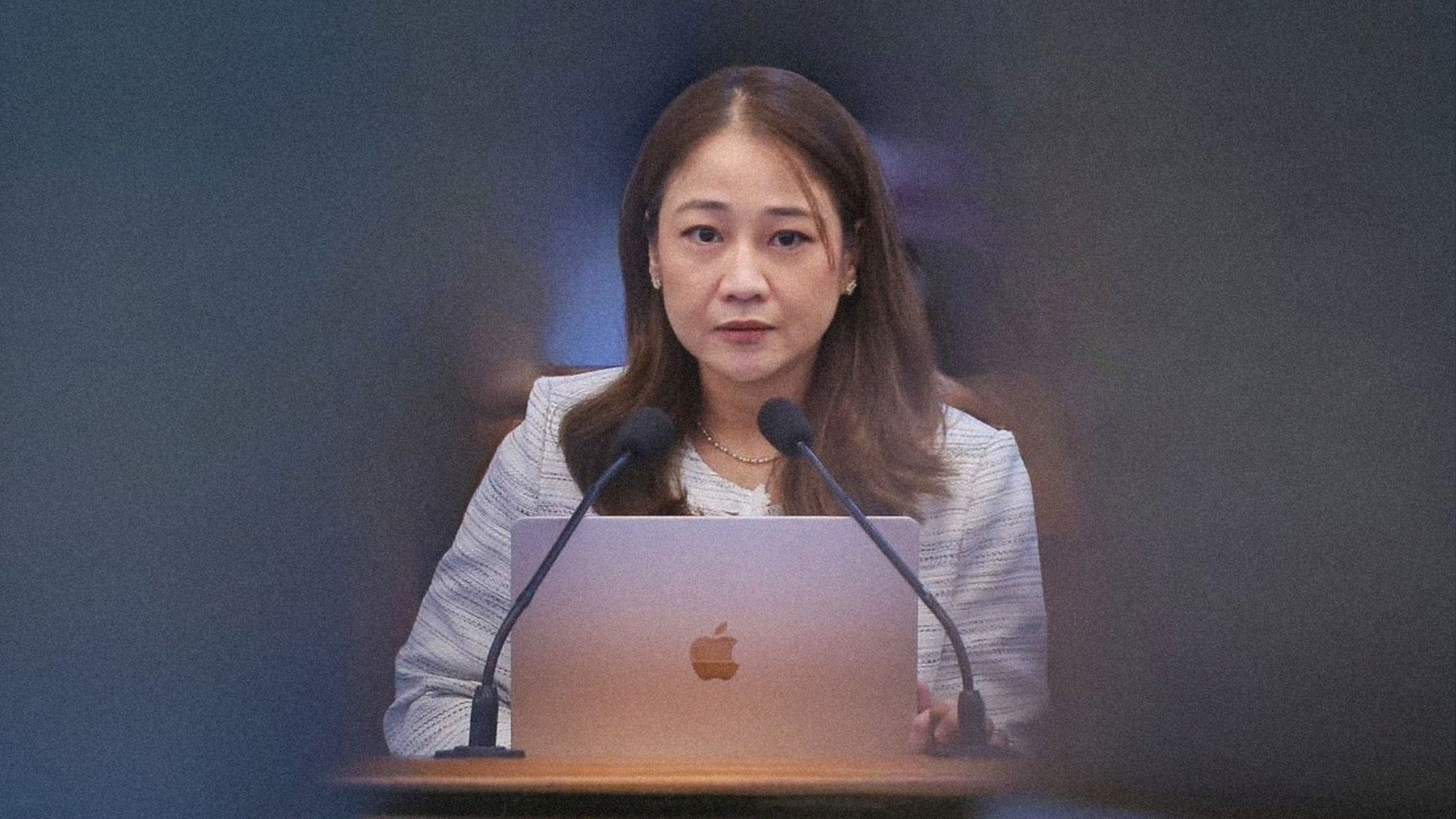
“A Scam Masterminded by the Vice President”: Prosecution Explains Repeated Use of “Scam”
Private prosecutor Mae Divinagracia defended the prosecution's repeated use of the word “scam” during the impeachment trial of Vice President Sara Duterte, saying the prosecution believes the alleged scheme was “masterminded by the Vice President.”
Divinagracia was asked why the prosecution repeatedly used the term “scam” while presenting its case before the impeachment court.
Her answer was blunt:
“We just wanted to call a spade a spade.”
She then added:
“To us, it’s a scam and a scam that was masterminded by the Vice President.”
Prosecution Doubles Down on “Scam”
The statement represents one of the prosecution's strongest characterizations of the allegations being presented against Duterte.
Rather than describing the issue simply as an accounting problem or an alleged irregularity, Divinagracia said the prosecution considers it a scam.
She also directly attributed alleged responsibility for the scheme to Vice President Sara Duterte.
That is a serious allegation—and one that remains contested by the defense.
What Does “Scam” Mean in This Context?
The prosecution's use of the word appears intended to portray the alleged transactions as more than simple administrative mistakes or technical violations.
By calling it a “scam,” the prosecution is presenting its theory that the questioned transactions were allegedly part of a deliberate scheme rather than merely the result of poor documentation or procedural errors.
However, the word itself is a characterization by the prosecution, not a legal finding.
The impeachment court still has to evaluate the evidence presented by both sides.
“Masterminded by the Vice President”
The second part of Divinagracia's statement is even more significant.
She said the prosecution believes the alleged scam was:
“masterminded by the Vice President.”
That means the prosecution is not merely alleging that irregularities occurred.
Its theory seeks to connect the alleged scheme directly to Duterte.
Whether the evidence establishes that connection is one of the central questions for the senator-judges.
The Defense Has Challenged the Prosecution's Case
The defense has repeatedly questioned the prosecution's interpretation of documents, audit findings and witness testimony concerning the Office of the Vice President's confidential funds.
Defense lawyers have argued that certain audit findings are not final and have challenged the conclusions being drawn from acknowledgment receipts and other documents.
The defense has also disputed the prosecution's characterization of the evidence.
Why the Language Matters
Calling something a “scam” carries a much stronger implication than calling it an “irregularity.”
An irregularity could potentially result from:
poor documentation;
procedural mistakes;
misunderstanding of rules;
incomplete liquidation; or
administrative deficiencies.
A scam, by contrast, implies deliberate deception or a planned scheme designed to achieve an improper objective.
That is why the prosecution's language is significant.
The Impeachment Court Must Look Beyond the Label
Ultimately, the senator-judges cannot decide the case simply based on whether the prosecution's characterization sounds convincing.
The important questions are:
What actually happened?
Who authorized the transactions?
Who implemented them?
Were the expenditures legitimate?
Were the documents authentic?
Were the funds properly liquidated?
Was there deliberate deception?
And is there evidence connecting the Vice President directly to the alleged scheme?
Those questions require evidence.
The “Call a Spade a Spade” Argument
Divinagracia's explanation essentially means that the prosecution believes the evidence supports its characterization.
From the prosecution's perspective, avoiding the word “scam” would understate what it believes happened.
But the defense is entitled to challenge that characterization and argue that the evidence does not establish a deliberate scheme.
The senator-judges will ultimately have to determine which interpretation is supported by the record.
Another Flashpoint in the Impeachment Trial
The statement adds another contentious moment to an already heated impeachment proceeding.
The trial has featured repeated disputes over:
confidential-fund expenditures;
acknowledgment receipts;
audit findings;
witness credibility;
cross-examination;
alleged irregularities; and
the interpretation of government rules.
Now the prosecution has placed an even stronger label on its central allegation.
The Bigger Question
The word “scam” may dominate headlines, but the more important issue is whether the prosecution can prove the elements behind that characterization.
If the evidence establishes a deliberate scheme and connects Duterte to it, the prosecution's allegation becomes significantly more consequential.
If the evidence instead demonstrates only procedural or documentation problems without proving deliberate wrongdoing or Duterte's involvement, the prosecution's characterization could face serious challenges.
The Bottom Line
Private prosecutor Mae Divinagracia defended the prosecution's repeated use of the term “scam” during Vice President Sara Duterte's impeachment trial.
Her explanation was direct:
“To us, it’s a scam and a scam that was masterminded by the Vice President.”
But those words represent the prosecution's allegation, not a final finding by the impeachment court.
The senator-judges must still determine whether the evidence supports the prosecution's theory.
And that means the real question isn't simply:
“Is it a scam?”
It's:
“CAN THE PROSECUTION PROVE IT?”





🔥 Trending on Facebook
Stay connected with Politikanta Minute through our latest Facebook posts featuring breaking political news, viral discussions, exclusive commentary, and community conversations. Click any post below to read more, leave a comment, and join the discussion.
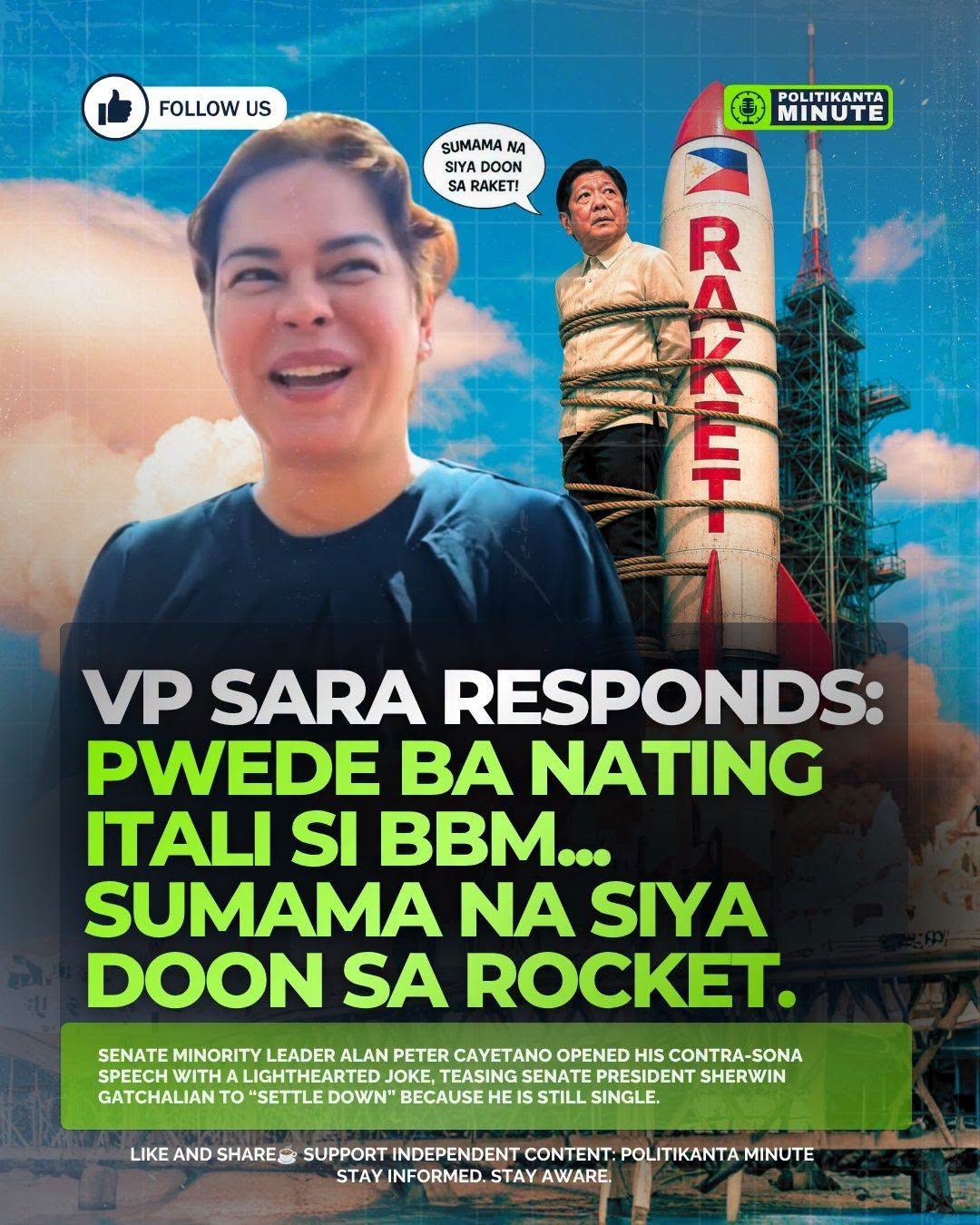
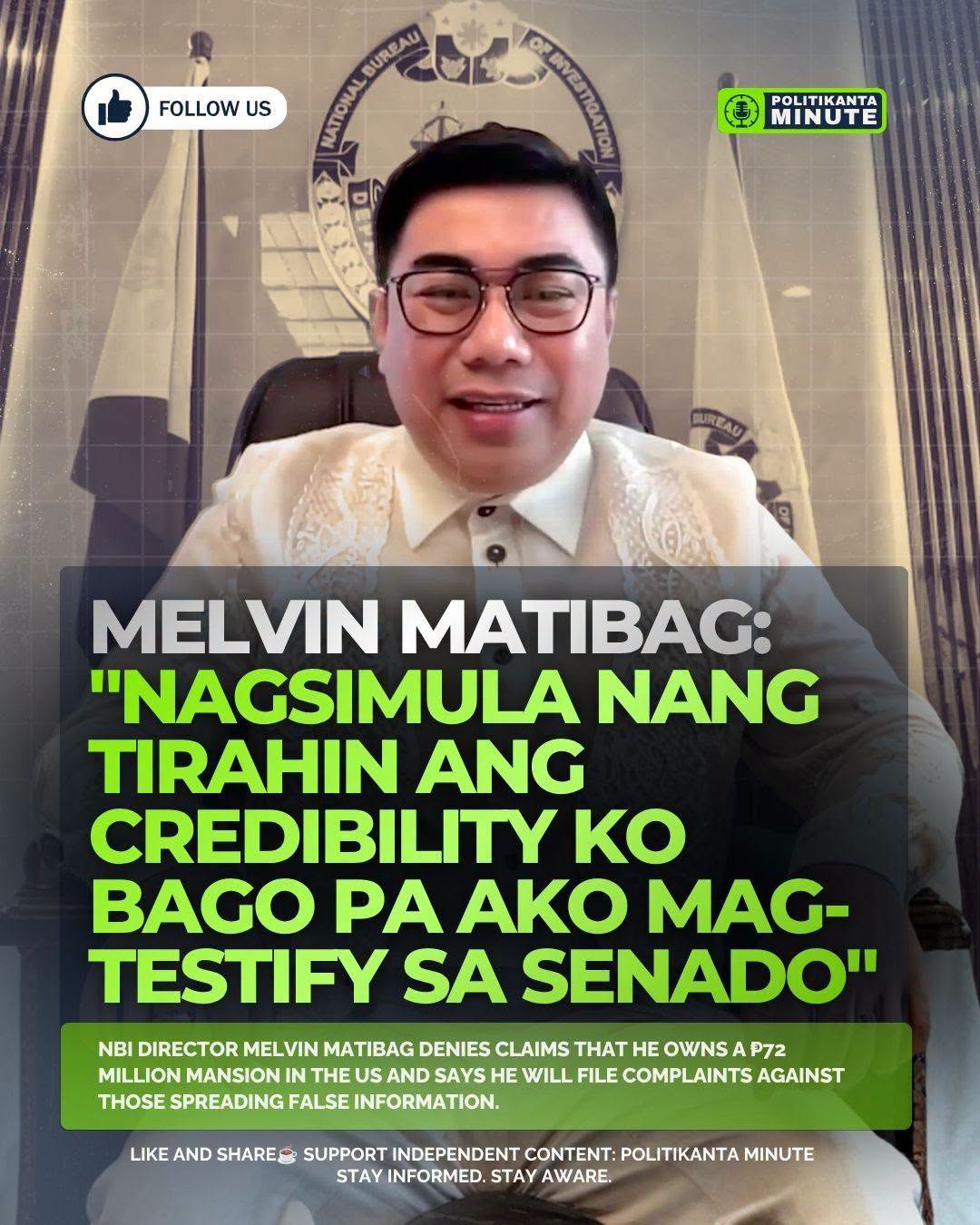
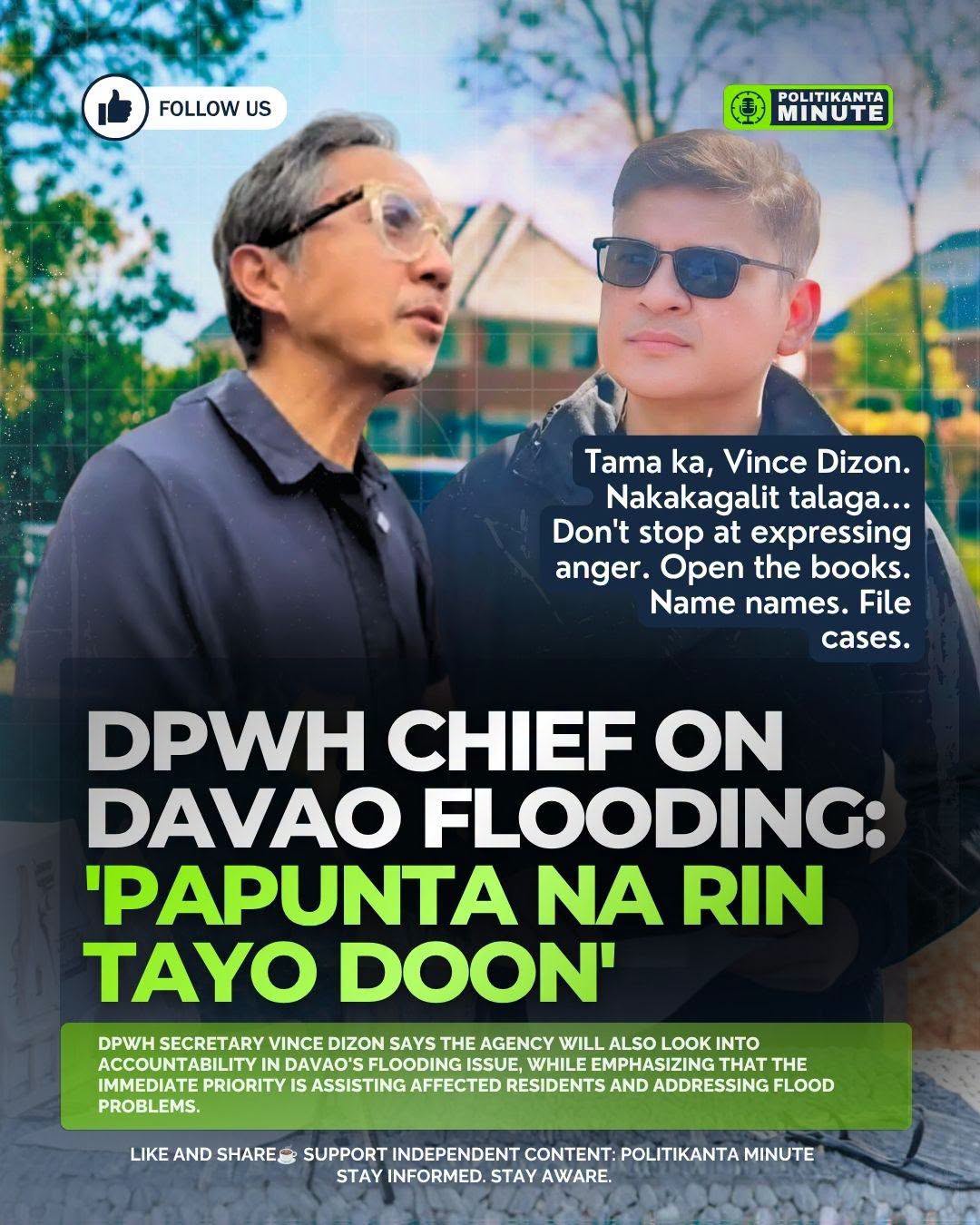

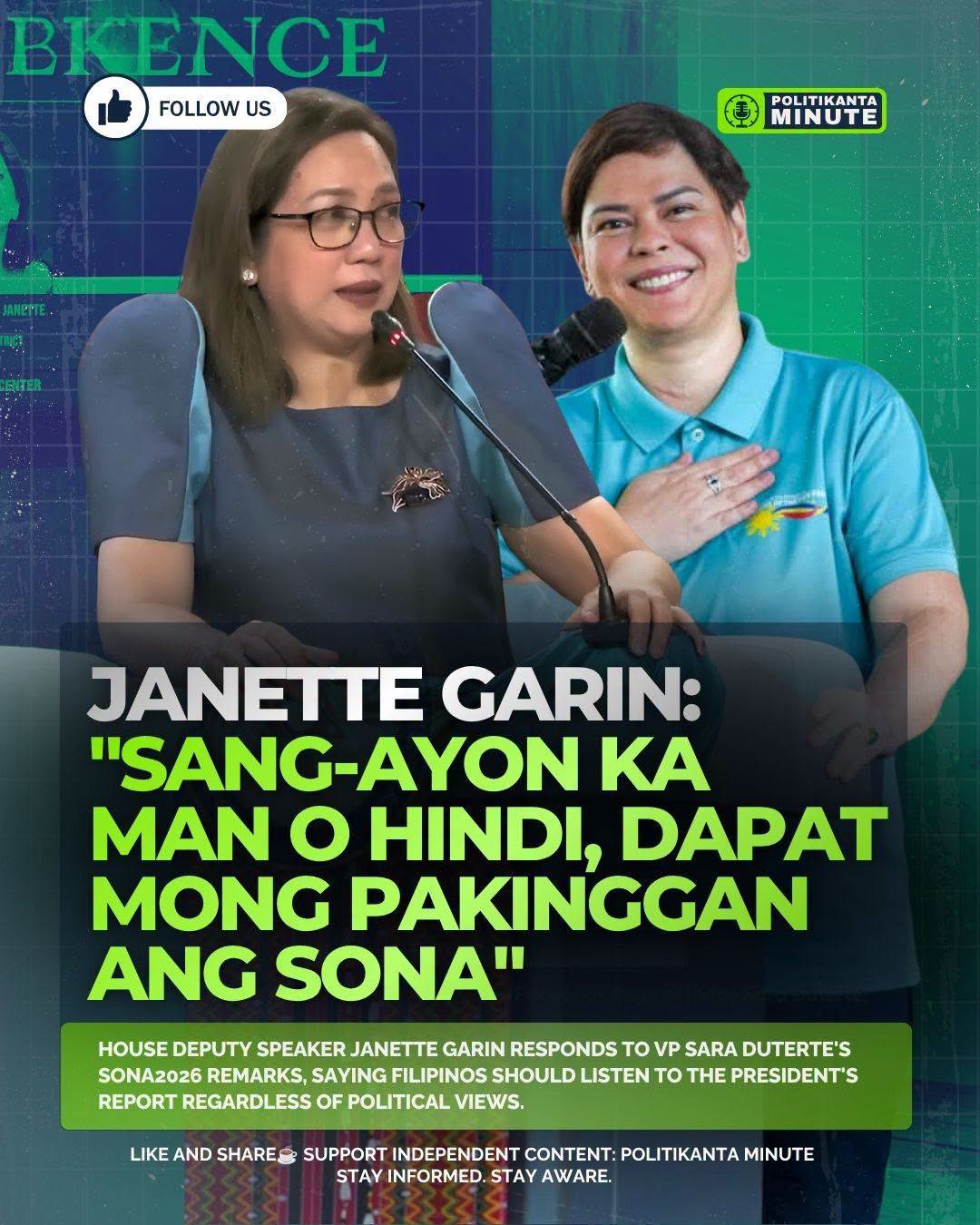







More Duterte Legacy Stories
Philippine Political News, Commentary & Breaking Updates
About Politikanta Minute
Politikanta Minute delivers daily political news, commentary, breaking developments, Senate hearings, House investigations, government updates, sports, entertainment, and faith-based content.
Readers can browse thousands of articles, curated YouTube playlists, and organized topic hubs covering Philippine and global events.
Whether you're following BBM Issues, Duterte Issues, Congress hearings, or the latest entertainment stories, Politikanta Minute brings together videos, articles, and analysis in one place.
FOLLOW US
Disclaimer: This site uses publicly available images and materials for news, satire, and commentary. All rights belong to their respective owners. No copyright infringement intended.
© 2025 Politikanta Minute. All Rights Reserved.
Political Commentary • Satire • Faith-Based Reflection
Some visuals may be AI-generated for satire and illustration. Not real footage unless stated.
FOLLOW US
Disclaimer: This site uses publicly available images and materials for news, satire, and commentary. All rights belong to their respective owners. No copyright infringement intended.
© 2025 Politikanta Minute. All Rights Reserved.
Political Commentary • Satire • Faith-Based Reflection
Some visuals may be AI-generated for satire and illustration. Not real footage unless stated.