

Golden Globes
Golden Globes Winners & Nominees: The Names Shaping This Awards Season
Tap to view
👁
Mixed

Your support keeps independent commentary alive.
☕ Buy us a coffee and keep the conversation going
Curated Politikanta Minute playlists by focused political topic.
Latest GLOBAL-related updates, reactions, political tension, hearing clips, and issue breakdowns.
Watch More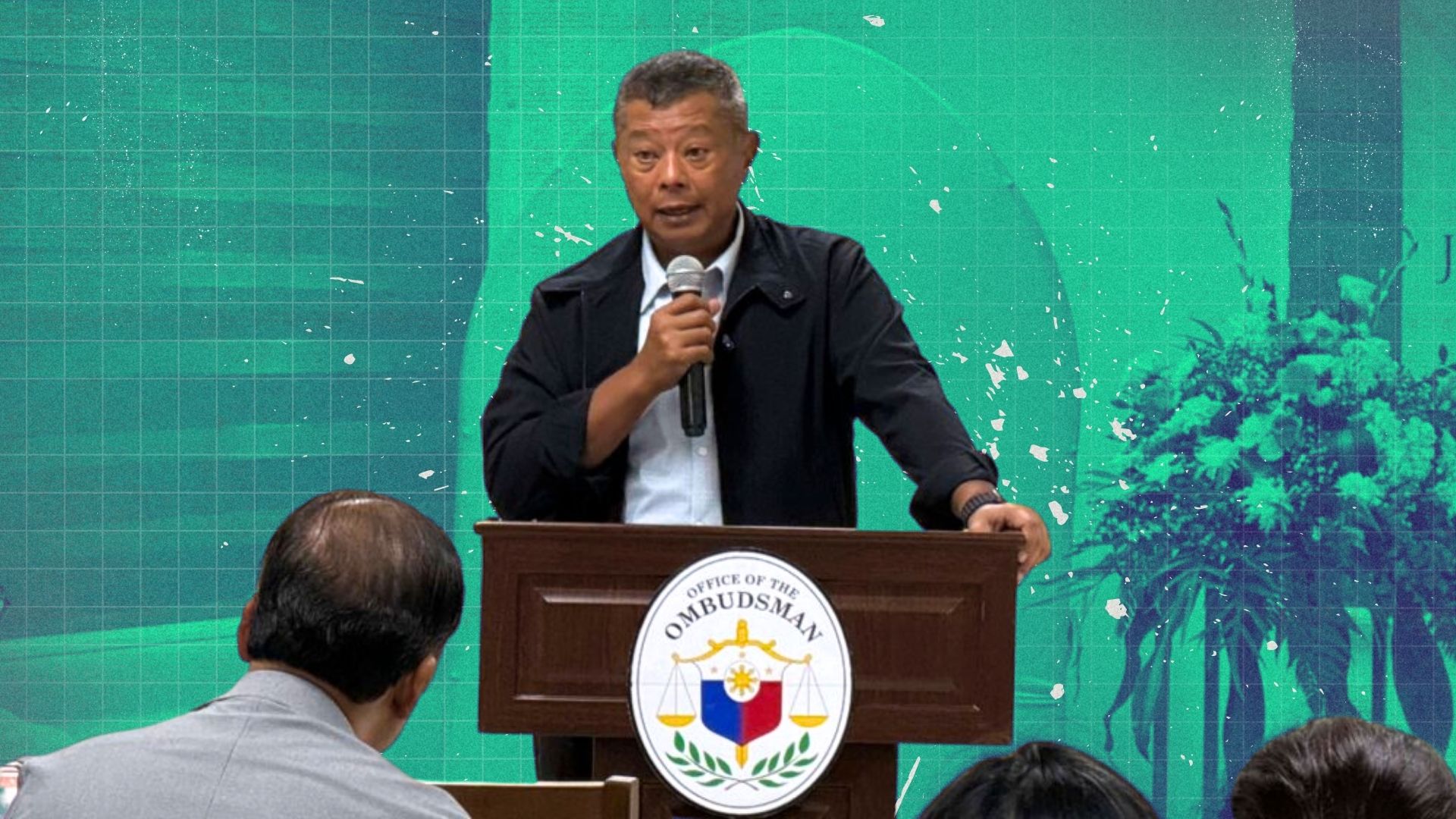
CEBU — More than ₱60 billion has reportedly been poured into flood control projects in Cebu over the past six years, but recurring flooding has prompted Ombudsman Jesus Crispin Remulla to question whether the problem lies in the projects' design, their execution—or possible corruption.
Remulla raised the issue while discussing the Ombudsman’s ongoing review of flood control projects in Cebu.
“Is it the design, is it the execution, or is it just corruption?”
According to Remulla, the Ombudsman is examining flood control projects implemented across Cebu after finding that billions of pesos had been allocated to the province over the past six years.
He said the amount involved was approximately ₱60 billion, with a significant portion reportedly concentrated in Cebu's 7th District and another substantial share going to a leading contractor.
That level of spending, Remulla suggested, should have produced meaningful results in reducing flooding.
Yet Cebu experienced significant flooding again in recent weeks.
The question now being raised by the Ombudsman is not simply how much money was spent—but whether the projects actually delivered what they were supposed to deliver.
If billions were allocated for flood mitigation, investigators need to determine whether the projects were:
properly designed;
correctly implemented;
built according to specifications;
completed as reported; and
effective in actually controlling floodwaters.
Or, as Remulla bluntly asked, whether corruption played a role.
The Ombudsman is expected to examine the projects and determine where the problems occurred.
Remulla said the agency will look into the situation and eventually establish what happened.
“Titignan natin at we will find out and we will know.”
The Cebu investigation comes as authorities continue examining allegations of irregularities involving flood control projects nationwide.
The broader investigation has already raised questions about alleged ghost projects, questionable construction, procurement practices and possible collusion involving contractors and government officials.
The Philippine government has previously pursued cases involving allegedly anomalous flood control projects, while investigators have continued examining possible irregularities across different regions.
The Independent Commission for Infrastructure also previously turned over documents and evidence concerning alleged anomalies in flood control projects to the Ombudsman.
Remulla also highlighted the need for stronger transparency mechanisms in government infrastructure projects.
He suggested pushing for legislation that would make government transactions and projects more transparent through digital tools.
The goal, he said, should be to make it easier for the public to see where government money goes and how projects are implemented.
That could potentially allow citizens, journalists and watchdog agencies to track projects from budget allocation to procurement, construction and completion.
For a program involving billions of pesos in public funds, transparency could become one of the most important tools in preventing irregularities.
The Cebu situation presents a simple but uncomfortable question:
If more than ₱60 billion was spent on flood control over six years, why does flooding remain such a serious problem?
The answer may ultimately involve engineering limitations, poor implementation, inadequate planning, environmental factors—or wrongdoing.
The Ombudsman has not yet declared that the Cebu flood control spending was corrupt.
Instead, Remulla's remarks make clear that investigators intend to determine where the money went, what was actually built, and whether the projects accomplished their intended purpose.
And if the investigation uncovers evidence of wrongdoing, those responsible could eventually face administrative, civil or criminal proceedings.
For now, Cebu is waiting for answers.
₱60 billion is a massive amount of public money. The Filipino taxpayers deserve to know whether it became effective flood protection—or simply another entry in the country's growing list of questionable infrastructure projects.
Ombudsman Jesus Crispin Remulla says more than ₱60 billion was spent on flood control projects in Cebu over the past six years. With flooding continuing, the Ombudsman is now examining whether the problem stems from project design, execution, or possible corruption.
January 09, 2026•1 min read
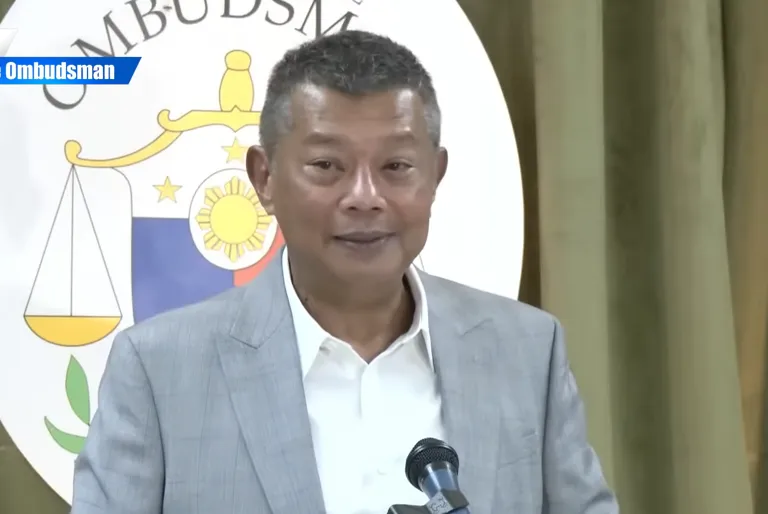
The authenticity of documents linked to the late former Department of Public Works and Highways (DPWH) undersecretary Maria Catalina Cabral will only be established once her computer is formally opened and examined by investigators, according to Jesus Crispin Remulla.

Speaking at a press briefing, Remulla clarified that speculation surrounding the so-called “Cabral files” remains premature without forensic verification of the original device. He stressed that only the contents recovered directly from Cabral’s computer can confirm whether the documents are genuine, complete, and untampered.
The files in question were turned over to the Office of the Ombudsman by the DPWH in late December, as part of an ongoing probe into alleged irregularities involving flood control projects. While copies of the documents have circulated publicly, Remulla emphasized that no one can conclusively claim knowledge of their contents until the source device itself is examined.
Remulla also cautioned against public debates driven by publicity rather than evidence, noting that investigators must rely on material that can withstand scrutiny in court. “What matters is evidence we can use,” he said, underscoring that speculation and second-hand copies do little to advance accountability.
The Ombudsman further explained that the computer remains sealed as authorities coordinate the proper process for opening it, including consultations with the DPWH, the Commission on Audit, and relevant technical experts. The goal, he said, is to ensure that any findings are credible, admissible, and free from doubt.
By anchoring the investigation on forensic review rather than public narratives, the Office of the Ombudsman signaled a methodical approach—one that prioritizes verification over volume, and facts over noise.
As Remulla put it plainly: once the computer is opened, the evidence will speak for itself.




Stay connected with Politikanta Minute through our latest Facebook posts featuring breaking political news, viral discussions, exclusive commentary, and community conversations. Click any post below to read more, leave a comment, and join the discussion.


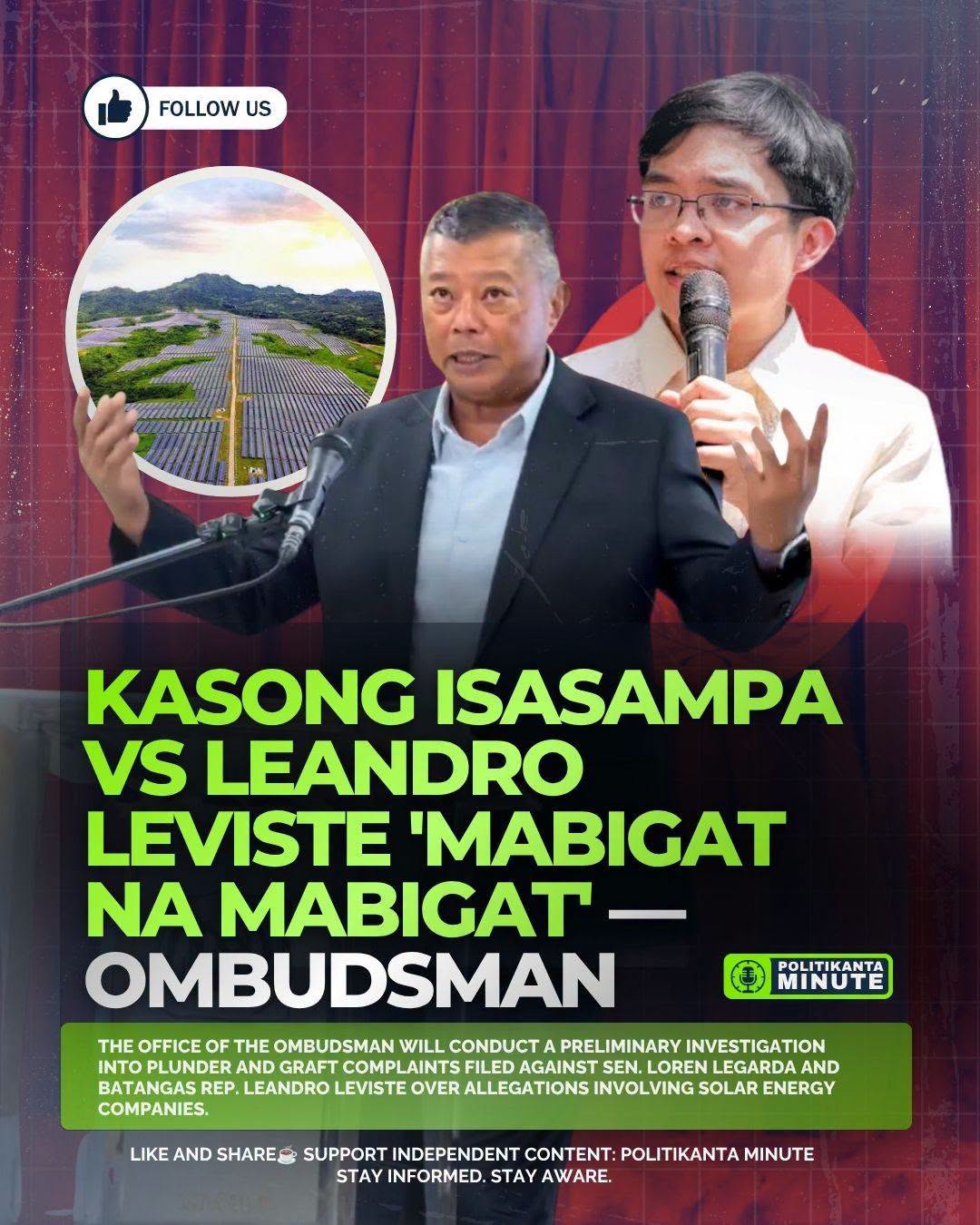
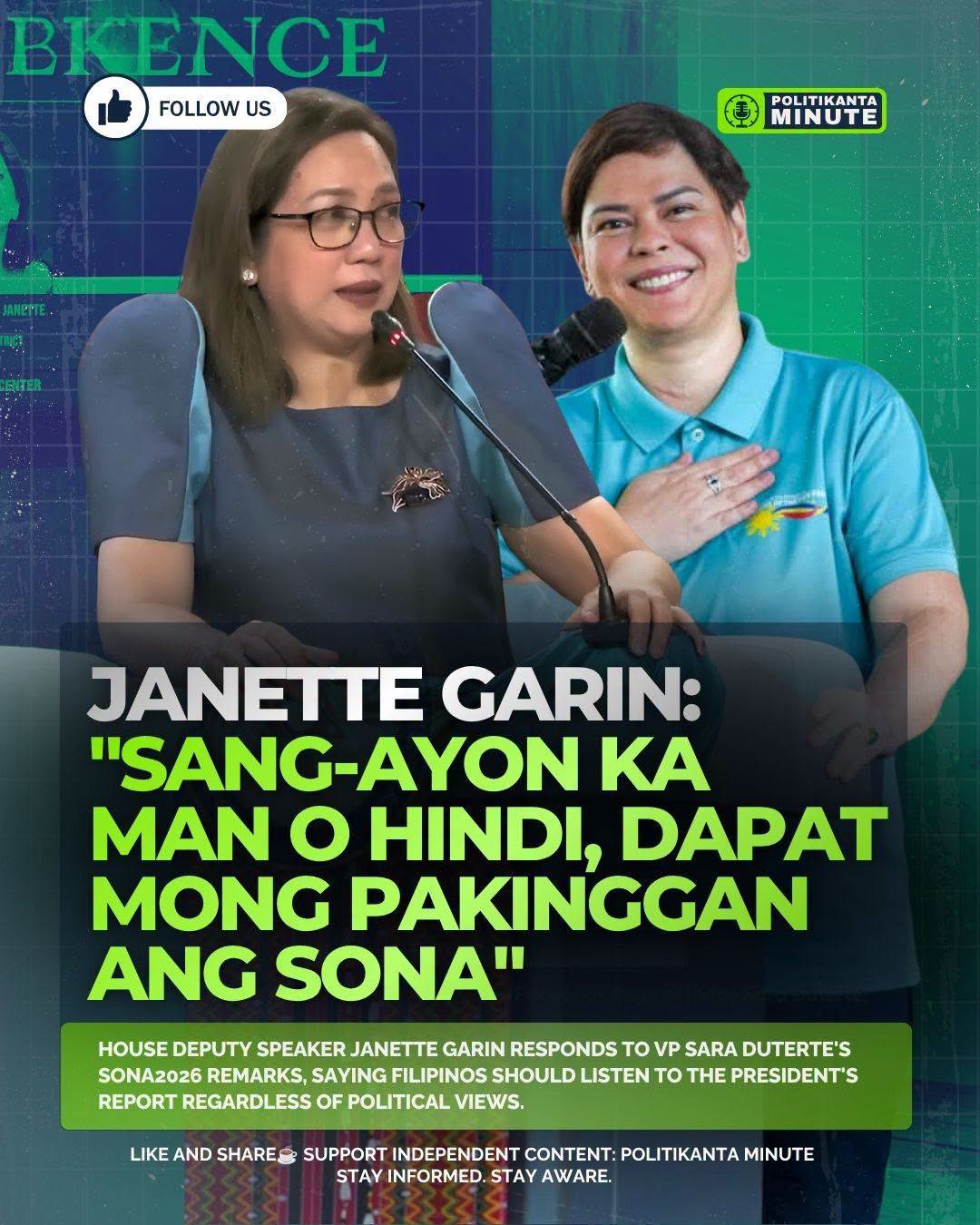


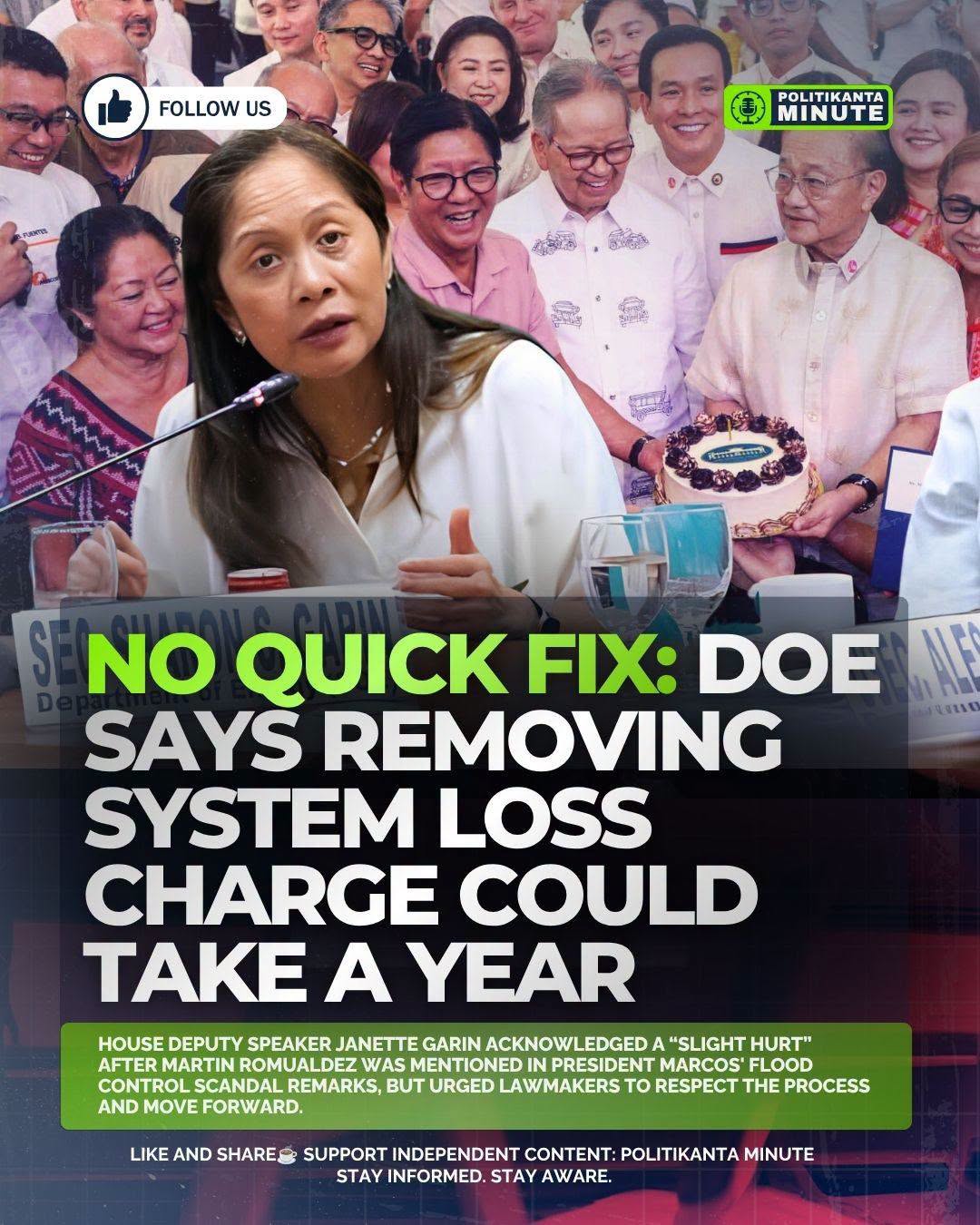
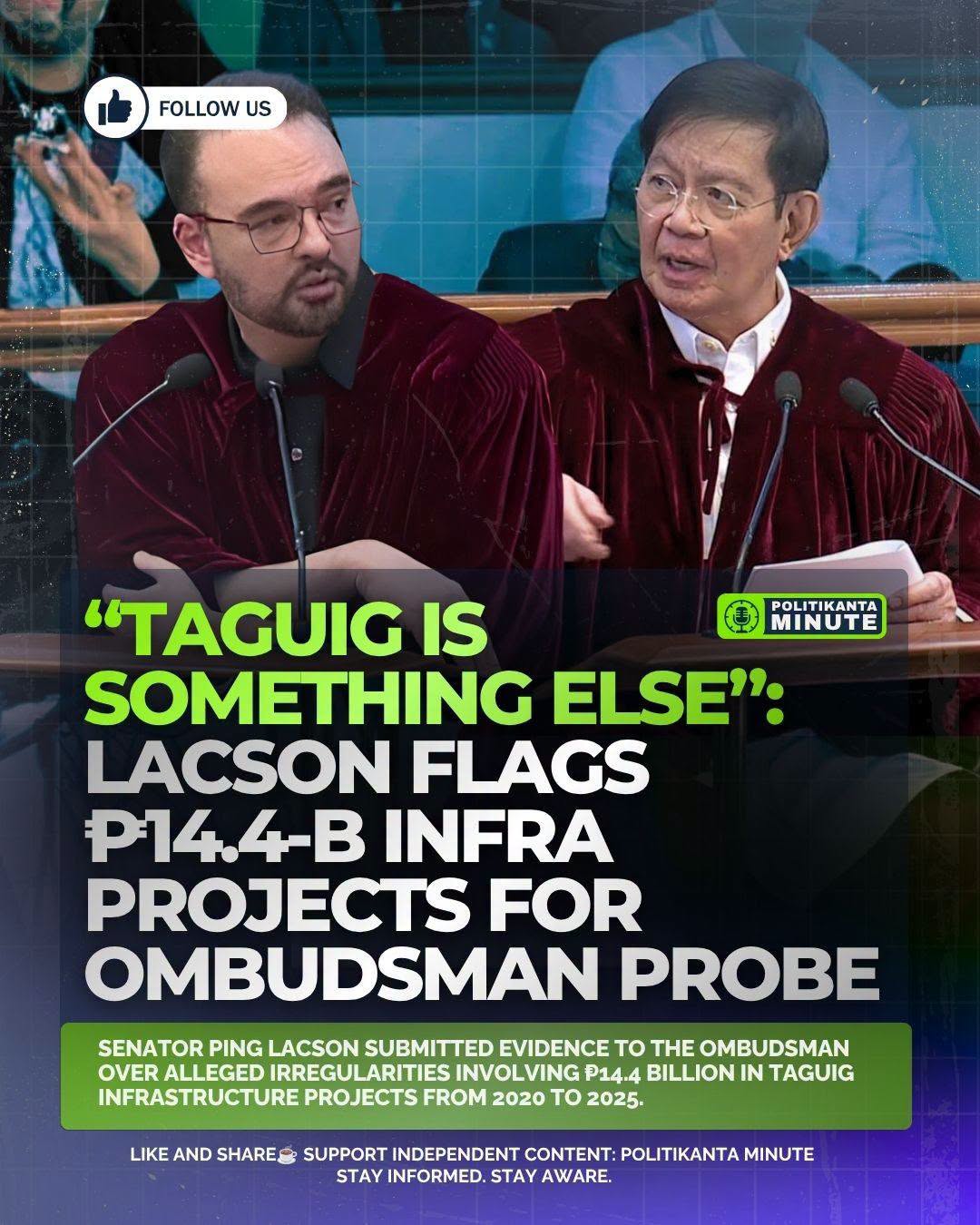





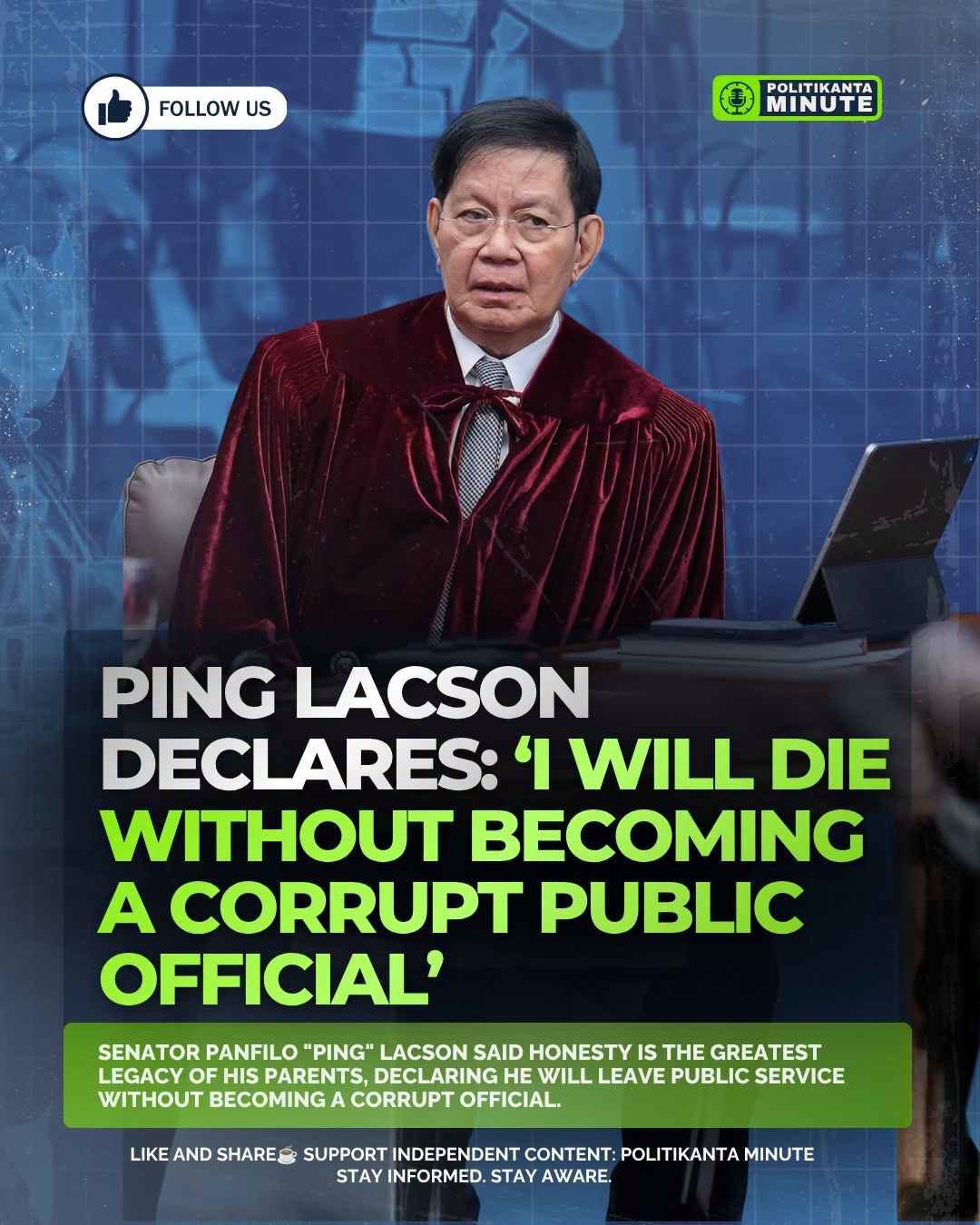

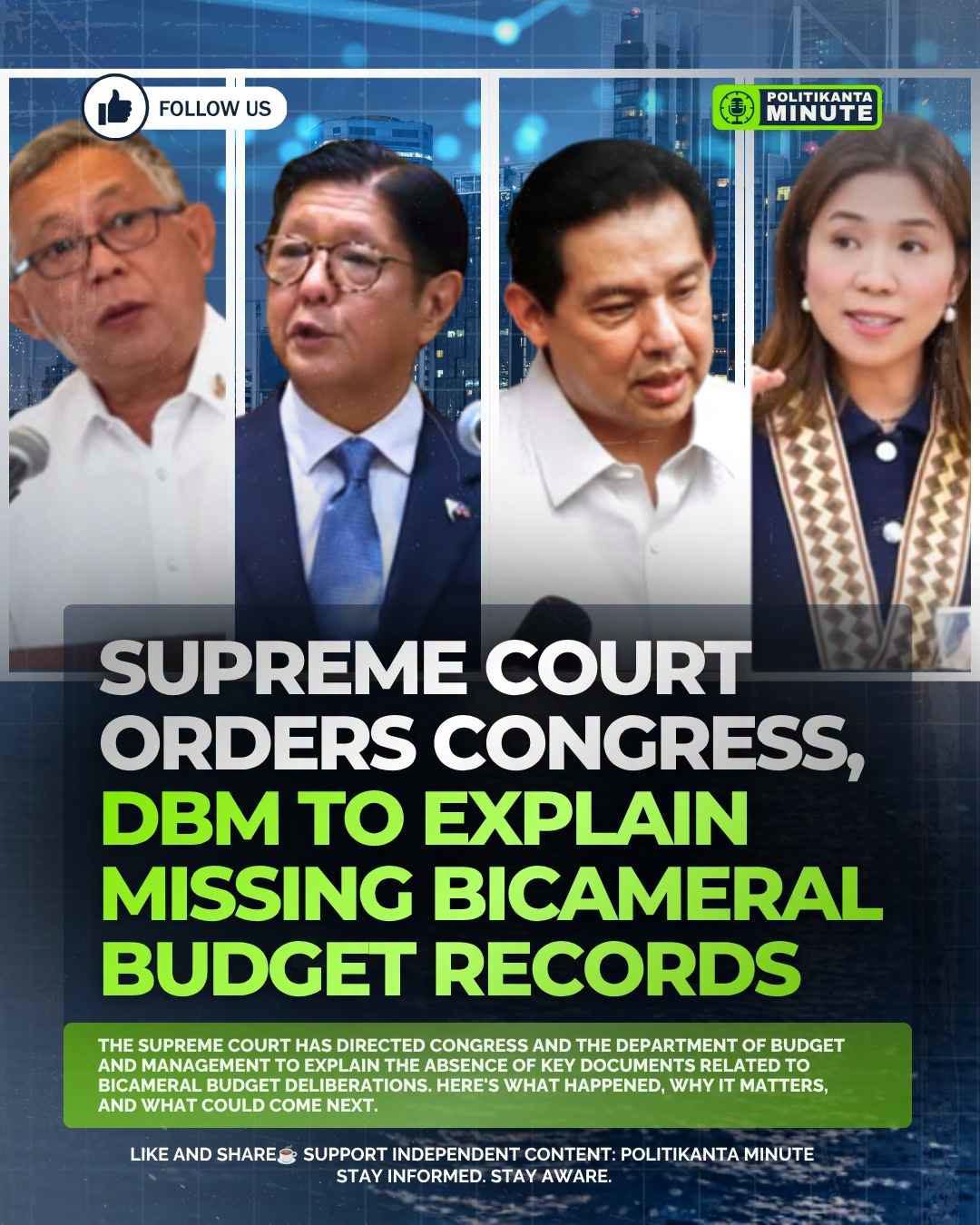
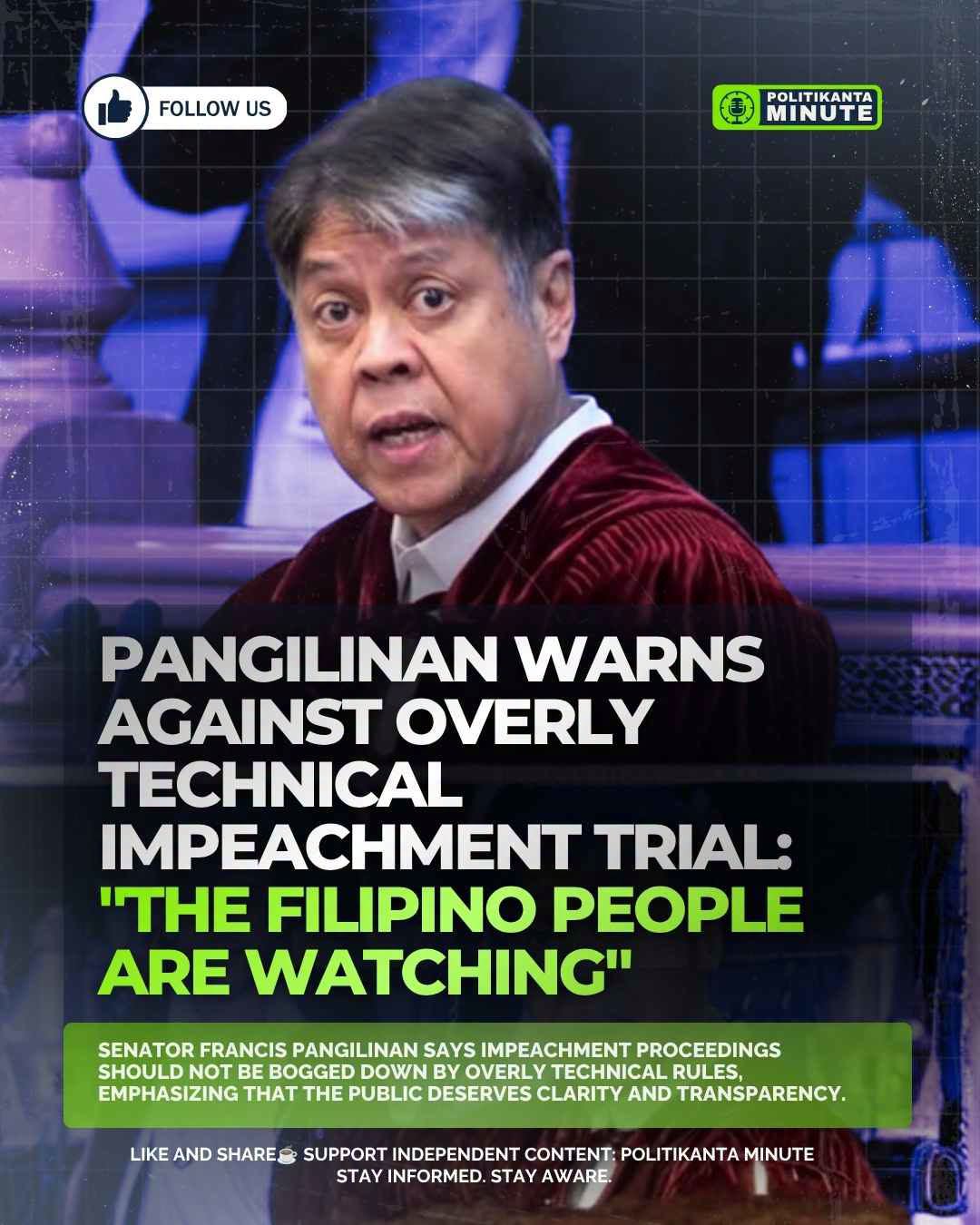



Politikanta Minute delivers daily political news, commentary, breaking developments, Senate hearings, House investigations, government updates, sports, entertainment, and faith-based content.
Readers can browse thousands of articles, curated YouTube playlists, and organized topic hubs covering Philippine and global events.
Whether you're following BBM Issues, Duterte Issues, Congress hearings, or the latest entertainment stories, Politikanta Minute brings together videos, articles, and analysis in one place.
Disclaimer: This site uses publicly available images and materials for news, satire, and commentary. All rights belong to their respective owners. No copyright infringement intended.
© 2025 Politikanta Minute. All Rights Reserved.
Political Commentary • Satire • Faith-Based Reflection
Some visuals may be AI-generated for satire and illustration. Not real footage unless stated.
Disclaimer: This site uses publicly available images and materials for news, satire, and commentary. All rights belong to their respective owners. No copyright infringement intended.
© 2025 Politikanta Minute. All Rights Reserved.
Political Commentary • Satire • Faith-Based Reflection
Some visuals may be AI-generated for satire and illustration. Not real footage unless stated.