
Support Politikanta Minute
Your support keeps independent commentary alive.
☕ Buy us a coffee and keep the conversation going
Latest Videos
Daily political commentary, breaking news, Senate hearings, government updates, and featured video reports.
BBM Issues
Latest BBM-related updates, reactions, political tension, hearing clips, and issue breakdowns.
Watch MoreDuterte Legacy Playlist
Senate Circus Playlist
House of Representatives Scandals Playlist
Celebrity Updates
Sports
🎵 Music
18 Marines Playlist
Global Entertainment Playlist
Global News Playlist
Bible Scripture Playlist
Breaking News Playlist

Guanzon Raises Concerns Over Philippines' National Debt Under Marcos Administration
Guanzon Questions Government Borrowing
Former Elections Commissioner Rowena Guanzon expressed concern over the country's growing national debt during a recent online broadcast.
Citing publicly available economic figures, Guanzon noted that the Philippines' gross international reserves (GIR) stood at approximately US$104.7 billion, while she also referred to the national government's outstanding debt, which has exceeded ₱19 trillion.
She argued that the government should exercise greater restraint in borrowing and carefully evaluate major infrastructure projects.
Understanding the Numbers
The Gross International Reserves (GIR) and the national government's outstanding debt are two different financial indicators.
The GIR represents the country's stock of foreign currencies, gold, and other reserve assets maintained by the Bangko Sentral ng Pilipinas (BSP) to help stabilize the peso, support international trade, and provide a financial buffer during economic shocks.
Meanwhile, the national debt represents the total amount borrowed by the Philippine government through domestic and foreign loans to finance public spending.
Economists generally do not treat the country's foreign exchange reserves as funds intended to directly pay off the entire national debt.
Guanzon's Criticism
During her remarks, Guanzon argued that continued borrowing could place additional financial pressure on future administrations and taxpayers.
She also criticized proposals for large-scale government projects, saying these should be carefully evaluated to avoid increasing the country's debt burden.
Some of her statements—including references to future borrowing, gold reserves, and planned projects—reflect her personal political opinions and were not accompanied by supporting evidence during the broadcast.
Government's Position
The Marcos administration has consistently maintained that government borrowing is being used to finance infrastructure, economic recovery, disaster resilience, education, healthcare, and other development priorities.
Economic managers have also said the country's debt remains manageable, citing revenue growth and fiscal consolidation efforts.
The government has stated that borrowing is intended to support long-term economic growth while keeping debt within sustainable levels.
Final Thoughts
Public debate over government borrowing is common in many democracies.
While critics argue that rising debt should be limited, the government maintains that responsible borrowing can finance investments that promote economic development.
Ultimately, the country's fiscal position will continue to be assessed through economic indicators such as debt-to-GDP ratio, government revenues, spending efficiency, and overall economic growth.
Bible Reflection
"The plans of the diligent lead surely to abundance, but everyone who is hasty comes only to poverty." — Proverbs 21:5 (ESV)
Managing a nation's finances requires wisdom, discipline, and long-term planning. Whether discussing borrowing or public investment, decisions should be guided by transparency, accountability, and the pursuit of the common good.
Why Timing Matters in Truth-Telling
December 31, 2025•2 min read

In moments of national controversy, the issue is rarely just what the truth is.
More often, it is when and how that truth can be responsibly revealed.

Recent debate surrounding documents linked to former DPWH officials has increasingly focused on how the records surfaced, rather than what the records contain. This shift has redirected public attention away from substance and toward procedure—an approach that risks delaying meaningful accountability.
What must be understood is this: truth does not lose its value because it is released carefully.
Truth Is Not Weakened by Caution
Public calls for immediate, full disclosure—particularly directed at Leandro Leviste—assume that speed equals credibility. History shows otherwise.
In politically charged environments, premature release can:
strip documents of proper context,
allow selective interpretation,
and enable powerful narratives to form before facts are fully examined.
Restraint, therefore, is not concealment.
It is preservation of integrity.
When Optics Replace Substance
Legal voices, including Rowena Guanzon, have highlighted a critical concern: public discourse has been drawn toward optics—photos, timing, and presentation—rather than toward custody, content, and implications.
When focus shifts from what the documents reveal to how they are framed, truth risks becoming secondary to narrative control.
Timing Is a Responsibility, Not a Strategy
Truth-telling is not a single act. It is a process.
Releasing information without safeguards, institutional readiness, or clear context can:
distort public understanding,
weaken investigations,
and allow misinterpretation to dominate discussion.
Timing is not fear.
Timing is duty.
Silence Is Not the Same as Denial
The absence of immediate disclosure should not be mistaken for absence of truth.
Across history, many pivotal revelations emerged intact because they were protected until systems were ready to receive them without distortion.
Truth delayed for integrity is not truth denied.
The Question That Matters
The issue is not:
“Why hasn’t everything been released yet?”
The real question is:
“Are we prepared to confront what the truth reveals—without twisting it?”
Until that readiness exists, timing remains not a tactic, but a responsibility.
✝️ Reflection
“For everything there is a season,
and a time for every matter under heaven.”
— Ecclesiastes 3:1
Truth does not expire.
But mishandled truth can be buried.






🔥 Trending on Facebook
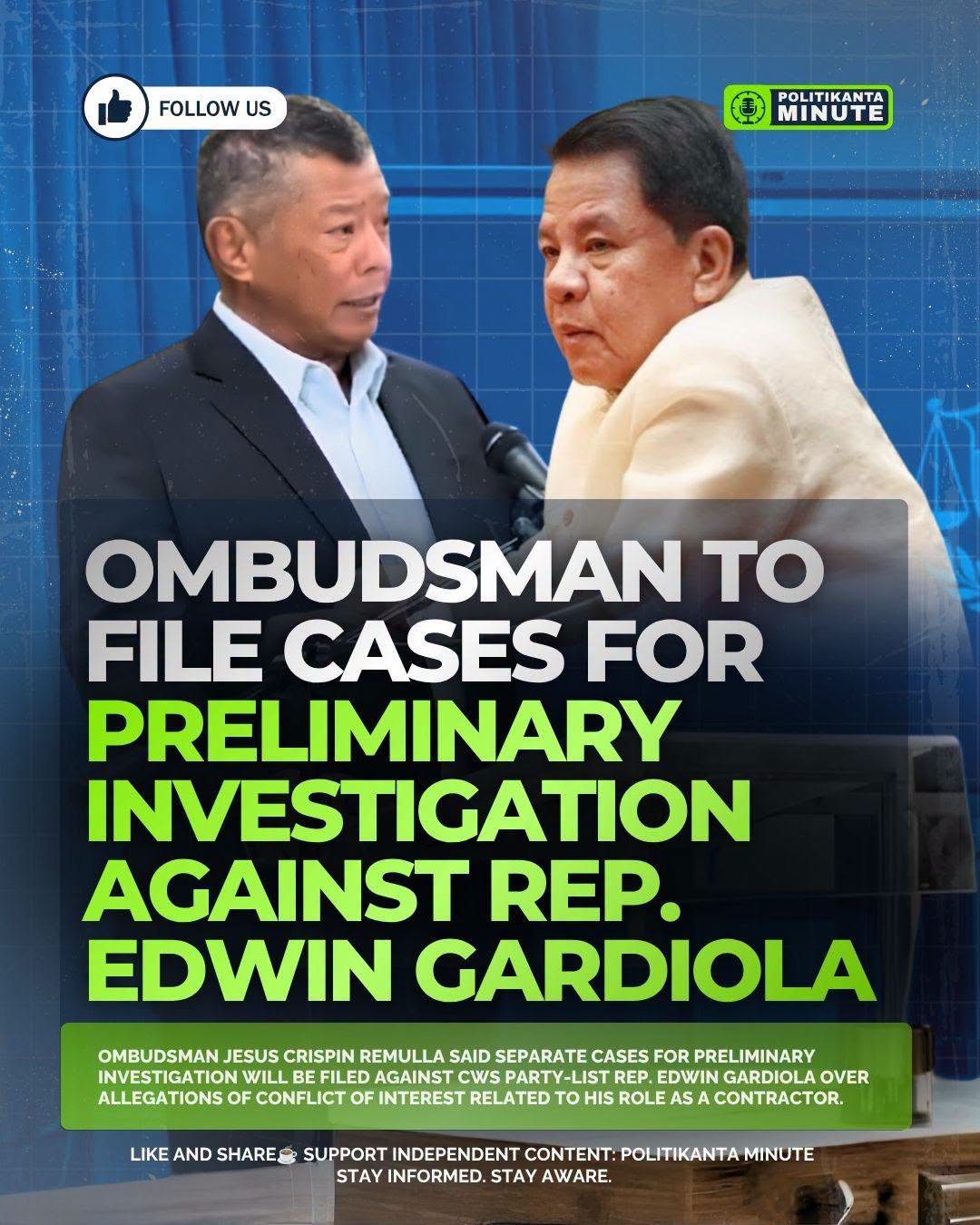
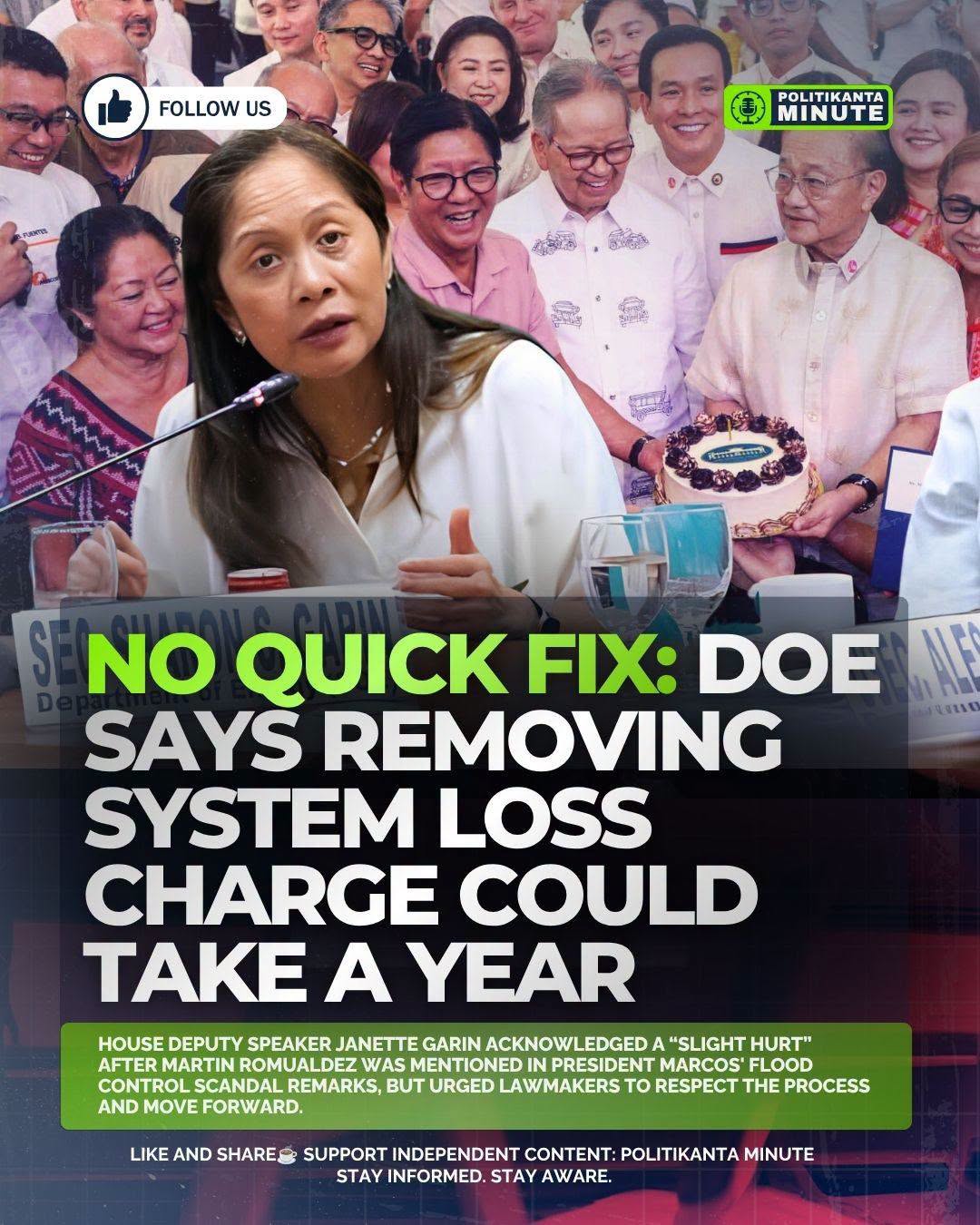
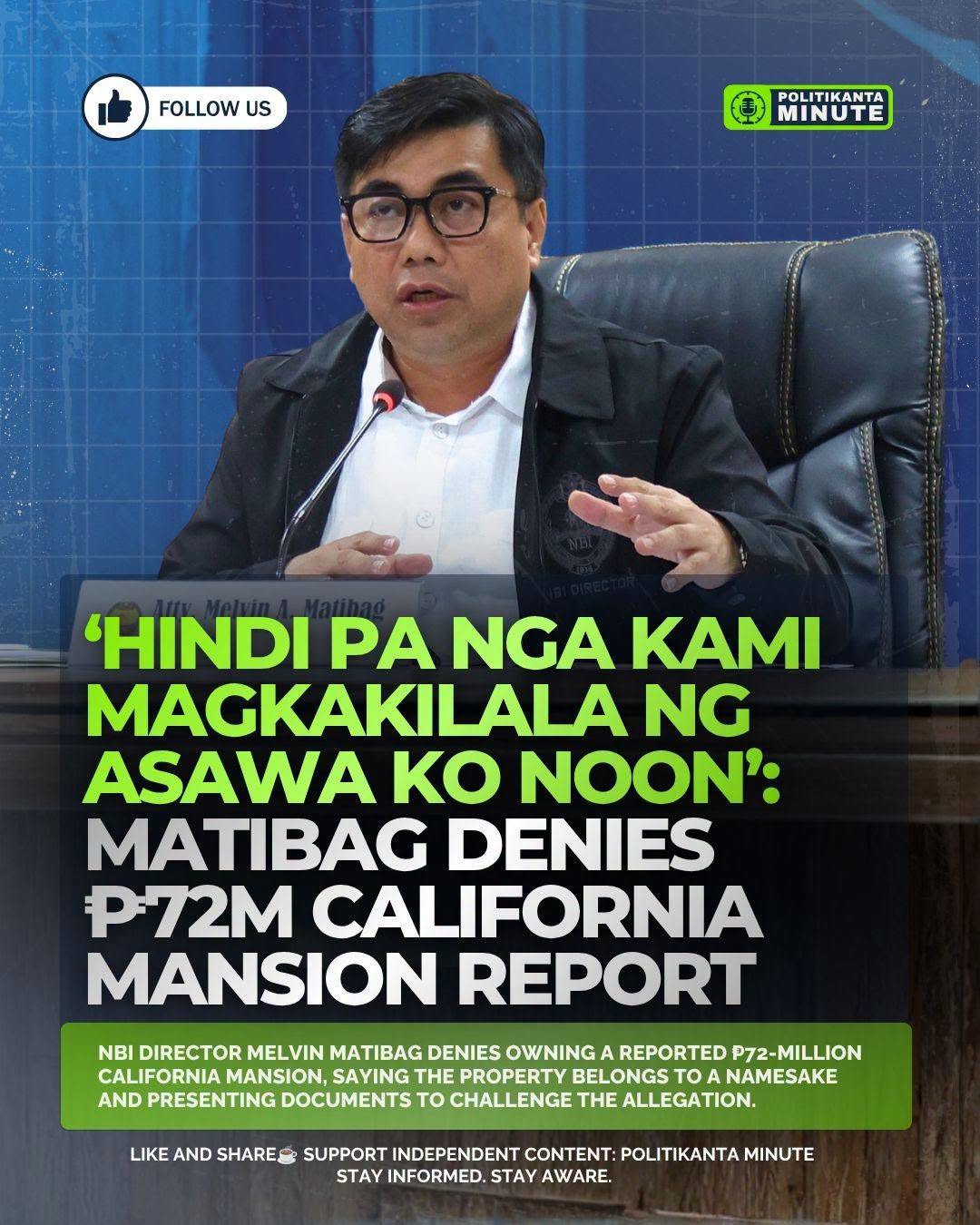
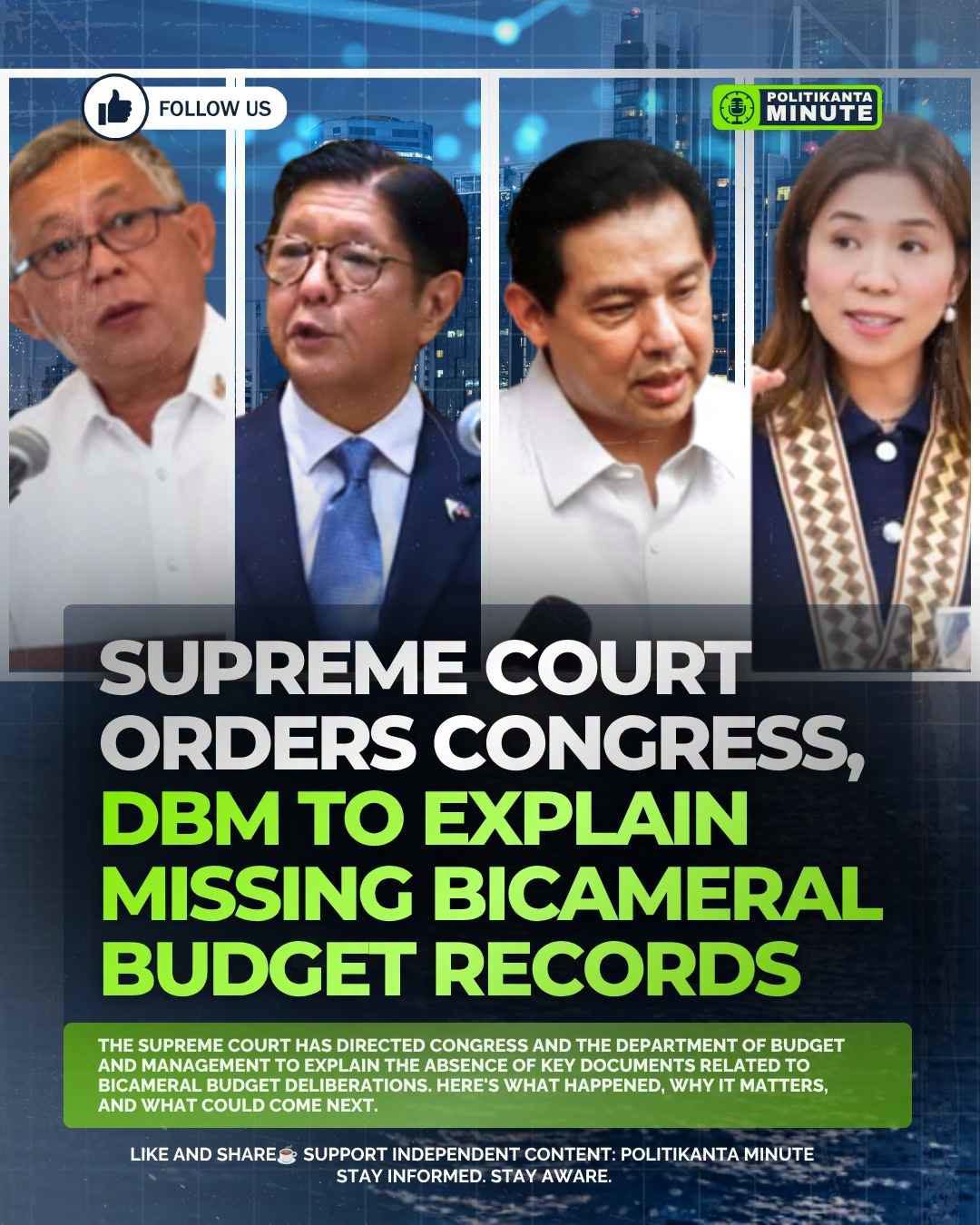
Stay connected with Politikanta Minute through our latest Facebook posts featuring breaking political news, viral discussions, exclusive commentary, and community conversations. Click any post below to read more, leave a comment, and join the discussion.























More BBM Watch Stories
Philippine Political News, Commentary & Breaking Updates
About Politikanta Minute
Politikanta Minute delivers daily political news, commentary, breaking developments, Senate hearings, House investigations, government updates, sports, entertainment, and faith-based content.
Readers can browse thousands of articles, curated YouTube playlists, and organized topic hubs covering Philippine and global events.
Whether you're following BBM Issues, Duterte Issues, Congress hearings, or the latest entertainment stories, Politikanta Minute brings together videos, articles, and analysis in one place.
FOLLOW US
Disclaimer: This site uses publicly available images and materials for news, satire, and commentary. All rights belong to their respective owners. No copyright infringement intended.
© 2025 Politikanta Minute. All Rights Reserved.
Political Commentary • Satire • Faith-Based Reflection
Some visuals may be AI-generated for satire and illustration. Not real footage unless stated.
FOLLOW US
Disclaimer: This site uses publicly available images and materials for news, satire, and commentary. All rights belong to their respective owners. No copyright infringement intended.
© 2025 Politikanta Minute. All Rights Reserved.
Political Commentary • Satire • Faith-Based Reflection
Some visuals may be AI-generated for satire and illustration. Not real footage unless stated.
FOLLOW US
Disclaimer: This site uses publicly available images and materials for news, satire, and commentary. All rights belong to their respective owners. No copyright infringement intended.
© 2025 Politikanta Minute. All Rights Reserved.
Powered by Graprix Design and Prints.
Political Commentary • Satire • News • Faith & Devotion