
Support Politikanta Minute
Your support keeps independent commentary alive.
☕ Buy us a coffee and keep the conversation going
Latest Videos
Curated Politikanta Minute playlists by focused political topic.
FAITH
Latest FAITH-related updates, reactions, political tension, hearing clips, and issue breakdowns.
Watch MoreDuterte Legacy Playlist
Senate Circus Playlist
House of Representatives Scandals Playlist
18 Marines Playlist
Global Entertainment Playlist
Global News Playlist
Celebrity Updates
Sports
🎵 Music
Breaking News Playlist
BBM News Playlist
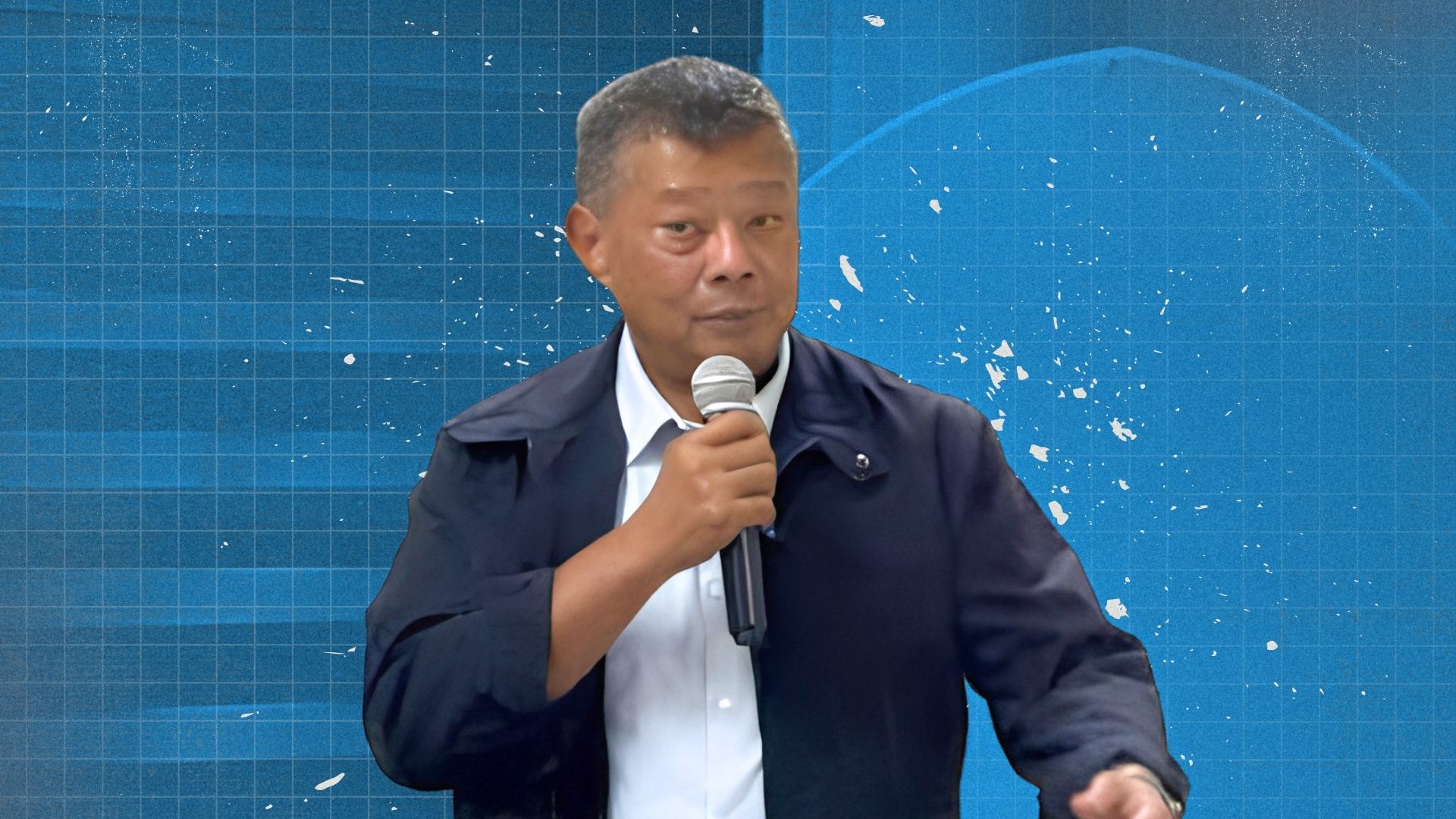
Ombudsman Remulla Calls Davao City “Epicenter” of Flood Control Before Marcos Administration
MANILA — Ombudsman Jesus Crispin “Boying” Remulla identified Davao City as the alleged “epicenter” of flood control spending before the Marcos administration, saying his office is examining the network or “ecosystem” surrounding flood control projects in the area.
Remulla made the statement during budget deliberations at the House of Representatives on August 25, as lawmakers examined the Ombudsman's plans and resources amid intensified scrutiny of alleged irregularities in flood control projects.
“Epicenter Po ng Flood Control”
Remulla told lawmakers:
“Ang epicenter po ng flood control bago dumating ang Marcos administration ay ang Davao City.”
The statement immediately puts Davao City at the center of questions surrounding the country's flood control spending before President Ferdinand Marcos Jr. assumed office.
Ombudsman Looking Into the “Ecosystem”
According to Remulla, the Ombudsman is examining what he described as the “ecosystem” surrounding flood control projects in Davao.
The investigation is not limited simply to individual projects.
Authorities are looking into how the system operated, where funding went and who may have been involved in the implementation of projects.
Remulla said a significant amount of government funding had been directed toward flood control projects in the area.
Evidence Still Being Gathered
However, Remulla also emphasized an important qualification.
The Ombudsman is still studying and carefully gathering evidence concerning possible anomalies.
That means his “epicenter” characterization should not automatically be interpreted as a finding that corruption has already been proven in Davao City.
The investigation remains ongoing.
Why the Statement Matters
The statement comes amid a broader government investigation into alleged anomalies involving flood control projects across the country.
The issue has become a major political and governance controversy as authorities examine whether billions of pesos allocated for flood mitigation were properly spent.
Investigators have been looking at questions involving:
project implementation;
contractors;
project locations;
government funding;
project completion;
procurement;
documentation;
and potential irregularities.
Davao City is now being specifically identified by the Ombudsman as an area requiring scrutiny.
“Epicenter” Does Not Mean Corruption Has Been Proven
This distinction is critical.
Remulla said Davao was the “epicenter” of flood control before the Marcos administration.
He did not say that every flood control project in Davao was anomalous or that every official involved was corrupt.
The Ombudsman itself is still gathering evidence.
Therefore, the responsible question is not:
“Was all flood control spending in Davao corrupt?”
But:
“Were there specific projects or transactions that violated the law?”
That requires evidence on a project-by-project basis.
Following the Money
The investigation could potentially involve tracing government funds from appropriation to actual implementation.
That means examining:
Budget allocation → project approval → procurement → contractor → construction → inspection → payment → completion.
If the records show discrepancies, investigators can then determine whether those discrepancies were caused by administrative failures, technical problems, procurement violations or possible corruption.
Why Davao Is Under the Spotlight
Remulla's statement is particularly notable because Davao City has historically been politically associated with the Duterte family.
That makes any investigation involving large government expenditures in the city politically sensitive.
However, political association alone does not establish wrongdoing.
Investigators still have to establish the facts surrounding each project and identify who, if anyone, may be legally responsible.
The Timing Matters
Remulla specifically referred to the period before the Marcos administration.
That means the Ombudsman's statement concerns flood control activity that predates President Marcos Jr.'s assumption of office.
The timeline is therefore an important part of any eventual investigation.
Officials and contractors connected to projects from different administrations could potentially face different questions depending on when the projects were approved, funded and implemented.
The Bigger Flood Control Investigation
The Davao statement is part of a much larger national conversation.
Flood control spending has come under increasing scrutiny as communities continue to experience severe flooding despite billions of pesos being allocated for mitigation projects.
That has generated a simple question from taxpayers:
If billions were spent to control flooding, where are the results?
And if projects failed, investigators need to determine why.
The Evidence Will Decide
Remulla's statement may generate political headlines, but the Ombudsman still has to build an evidentiary case.
That means identifying specific projects and establishing specific facts.
If investigators discover irregularities, they will need to determine:
Who approved the project?
Who implemented it?
Who received payment?
Was the work actually completed?
Was the project technically sound?
Was the procurement lawful?
Who may be responsible?
Those questions cannot be answered simply by pointing to a geographic location.
The Bottom Line
Ombudsman Boying Remulla identified Davao City as the alleged “epicenter” of flood control before the Marcos administration, saying his office is examining the “ecosystem” surrounding flood control spending in the area.
However, Remulla also made clear that investigators are still studying the evidence and gathering information concerning possible anomalies.
So the statement should not be treated as a finding that corruption has already been proven.
The real test will be the evidence.
If there were anomalies, show the projects.
Show the contracts.
Show the money.
And identify who was responsible.
Because when billions of public funds are involved, the location may start the investigation—but only evidence can finish it.
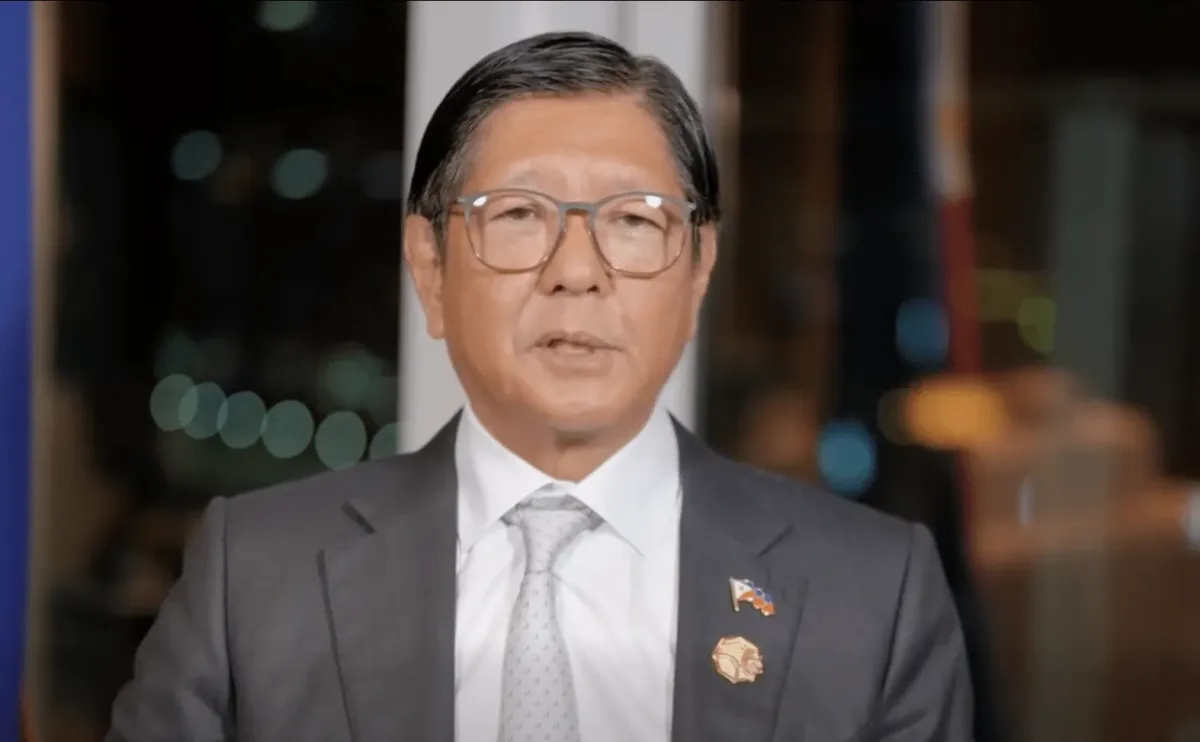
₱319 Billion Question: When a Budget Tests a President’s Veto Pen
As President Ferdinand Marcos Jr. prepares to sign the 2026 national budget, watchdogs are sounding a familiar alarm — this time over ₱319 billion worth of “highly questionable” items inserted late in the process.
According to civil society groups, these items were added through last-minute adjustments, outside meaningful public scrutiny, undermining claims of transparency in the bicameral budget process. The concern is not just size — it’s discretion.

Agila satire sees what numbers alone can’t show.
When lump-sum appropriations reappear, oversight weakens.
When details are vague, accountability thins.
When timing is rushed, scrutiny is sidelined.
Watchdogs warn that some of these funds are vulnerable to political patronage, echoing the very pork-barrel practices the country has long promised to abandon. Infrastructure, financial assistance, and discretionary programs may be legal on paper — but legality is not the same as legitimacy.
This moment places the President at a crossroads.
Signing the budget untouched preserves speed.
Vetoing questionable items tests resolve.
The eagle notes the deeper issue: veto power exists precisely for moments like this — when a leader must choose between convenience and credibility.
Scripture frames leadership responsibility plainly:
“Whoever is faithful with little will also be faithful with much.”
— Luke 16:10
The ₱319 billion question is not whether the budget can pass.
It already has.
The real question is whether it can pass the test of trust.
🦅 Agila watches not the applause — but the veto line.

₱633 Billion Question: When the Budget Has Too Many Shadows
With only days left to decide on the 2026 national budget, President Ferdinand Marcos Jr. is being warned by watchdogs about a familiar danger dressed in new labels: hard pork, soft pork, and shadow pork — amounting to an estimated ₱633 billion.
Agila satire listens closely when citizens who read the fine print start raising flags.
According to monitoring groups, this is not about one line item or one agency. It is about how discretion quietly replaces planning, and how public money becomes flexible in the wrong hands. Roads, bridges, flood control projects — all necessary — but reshaped through political discretion instead of transparent design.
Hard pork hides in infrastructure.
Soft pork hides in aid and discretionary programs.
Shadow pork hides where oversight thins and questions are postponed.
The eagle sees the pattern:
When everything is labeled “urgent,” scrutiny becomes “optional.”
Watchdogs are not calling for a veto for drama’s sake. They are calling for citizen monitoring, rights-based programs, real-time dashboards, and safeguards that prevent politicians from choosing beneficiaries like favors.
Even programs meant to help — health aid, social assistance, local grants — risk becoming transactional when accountability is weak. A budget can be legal, approved, and signed — yet still corrosive if transparency is absent.
Scripture reminds leaders what stewardship truly means:
“It is required of stewards that they be found faithful.”
— 1 Corinthians 4:2
The question facing Malacañang is not whether the budget can pass.
It is whether it can stand scrutiny after the applause fades.
🦅 Agila does not fear big numbers — it fears blind spots.





🔥 Trending on Facebook
Stay connected with Politikanta Minute through our latest Facebook posts featuring breaking political news, viral discussions, exclusive commentary, and community conversations. Click any post below to read more, leave a comment, and join the discussion.

More Faith & Devotion Stories
Philippine Political News, Commentary & Breaking Updates
About Politikanta Minute
Politikanta Minute delivers daily political news, commentary, breaking developments, Senate hearings, House investigations, government updates, sports, entertainment, and faith-based content.
Readers can browse thousands of articles, curated YouTube playlists, and organized topic hubs covering Philippine and global events.
Whether you're following BBM Issues, Duterte Issues, Congress hearings, or the latest entertainment stories, Politikanta Minute brings together videos, articles, and analysis in one place.
FOLLOW US
Disclaimer: This site uses publicly available images and materials for news, satire, and commentary. All rights belong to their respective owners. No copyright infringement intended.
© 2025 Politikanta Minute. All Rights Reserved.
Political Commentary • Satire • Faith-Based Reflection
Some visuals may be AI-generated for satire and illustration. Not real footage unless stated.