
Support Politikanta Minute
Your support keeps independent commentary alive.
☕ Buy us a coffee and keep the conversation going
Latest Videos
Curated Politikanta Minute playlists by focused political topic.
E-BUZZ Issues
Latest E-BUZZ-related updates, reactions, political tension, hearing clips, and issue breakdowns.
Watch MoreCelebrity Updates
Sports
🎵 Music
Duterte Legacy Playlist
Senate Circus Playlist
House of Representatives Scandals Playlist
18 Marines Playlist
Global Entertainment Playlist
Global News Playlist
Bible Scripture Playlist
Breaking News Playlist
BBM News Playlist
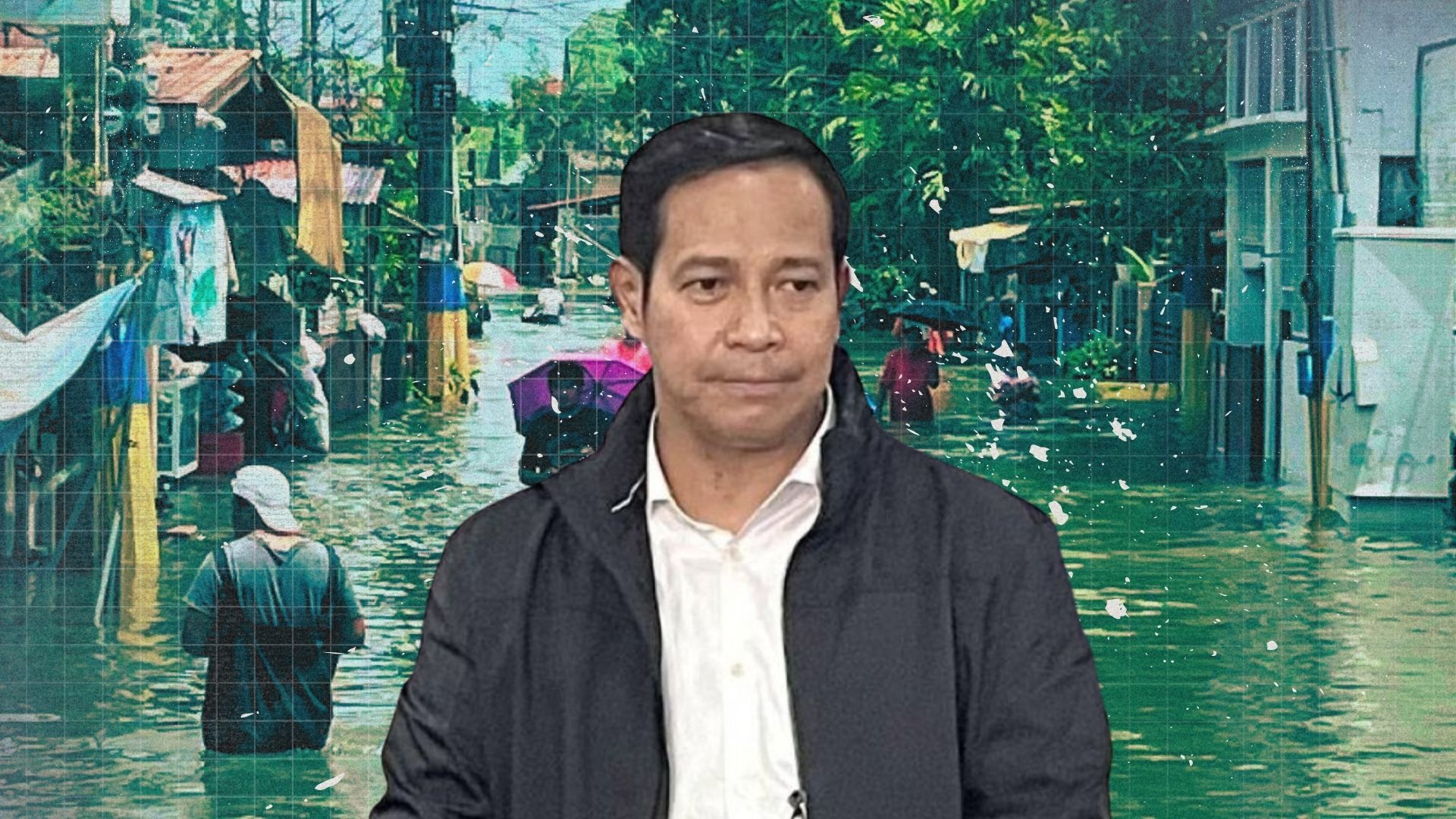
“Saan Napunta ang ₱41 Billion? Iyan Din ang Tanong Ko Noon Pa” — Bulacan Gov. Fernando
Bulacan Gov. Daniel Fernando addressed criticism over his earlier statement that he was unaware of the reported ₱41 billion worth of flood control projects in the province, saying the same figure has long raised questions for him.
Fernando responded to criticisms surrounding his previous interview, in which he said he did not know about the reported ₱41-billion flood control spending in Bulacan.
Rather than backing away from the issue, the governor posed his own question:
“Saan napunta ang ₱41 billion? Iyan din ang tanong ko noon pa.”
Fernando Questions Where the Money Went
The reported ₱41 billion has become a major point of discussion amid the continuing scrutiny of flood control projects and alleged anomalies surrounding government infrastructure spending.
Fernando's response essentially turns the criticism back into a question of accountability.
If billions of pesos were indeed allocated for flood control projects in Bulacan, the governor wants to know:
Where did the money go?
“I Was Unaware” Statement Draws Attention
Fernando's earlier statement that he was unaware of the reported amount sparked criticism and questions about the provincial government's knowledge of flood control projects being implemented in the province.
The governor's latest response clarifies his position.
He says that questioning where the money went is not something he started asking only after the controversy emerged.
According to Fernando, it was already a question he had been asking before.
The ₱41-Billion Figure Needs Verification
The figure has attracted considerable public attention, but the amount should be properly broken down before conclusions are made.
A reported ₱41-billion figure could potentially cover multiple projects implemented across several years, agencies, districts and municipalities.
The public therefore needs to know:
Which projects make up the ₱41 billion?
Which government agencies implemented them?
Where exactly were the projects located?
When were they funded?
Who were the contractors?
How much was actually released?
How much was actually completed?
Were the projects properly inspected?
Were there projects that were delayed, incomplete or defective?
Without that project-level accounting, the headline figure alone does not tell the complete story.
Flood Control Under the Microscope
The issue comes as flood control projects nationwide face intensified scrutiny.
Billions of pesos have been allocated for flood mitigation, drainage systems, river improvements, pumping stations, dikes and other infrastructure intended to protect communities from flooding.
Yet recurring floods continue to affect many areas.
That has led to a basic public question:
If so much money has been spent, why are communities still flooding?
Fernando's Question Goes to the Heart of Accountability
The governor's statement is significant because it highlights the difference between having a budget allocation and actually seeing a completed, functioning project on the ground.
A government project can appear in budget documents.
But the public ultimately wants to see:
The structure.
The completed work.
The flood protection.
The result.
If ₱41 billion was actually spent on flood control projects in Bulacan, residents have a legitimate interest in knowing what they received in return.
Where Did the Money Go?
That question should not be directed at only one person.
A proper accounting would require looking at the entire chain:
National budget → implementing agency → project allocation → contractor → construction → inspection → payment → completion.
Each stage should have documentation.
And if there are discrepancies, those records should help investigators determine where responsibility lies.
The Governor's Position
Fernando's latest statement appears to be that the reported amount itself deserves scrutiny.
His argument is straightforward:
If ₱41 billion was spent on flood control projects in Bulacan, then the public should be able to identify the projects and determine whether the money produced the intended results.
That is different from saying that every peso in the figure was necessarily lost or stolen.
Those are conclusions that require evidence.
The Bigger Question for Bulacan
Bulacan has repeatedly faced serious flooding, making flood mitigation a major concern for residents.
The issue therefore goes beyond politics.
If billions were allocated to prevent or reduce flooding, communities deserve to know whether those investments worked.
If they worked, the government should be able to demonstrate the results.
If they failed, officials should determine why.
And if there were irregularities, those responsible should be held accountable through the proper legal process.
The Bottom Line
Bulacan Gov. Daniel Fernando is now asking the same question that many residents and taxpayers are asking amid scrutiny of flood control spending:
“Saan napunta ang ₱41 billion?”
Fernando says that this was already his question before the current controversy.
The next step should be straightforward:
Show the projects.
Show the contracts.
Show the payments.
Show the results.
Because when billions of pesos are allocated for flood control, the public deserves more than a number on a budget document.
They deserve to see where the money went—and whether it actually protected them from floods.
ERICE: “BAKIT HINDI AKO DEBATEHIN SA PLENARYO?”
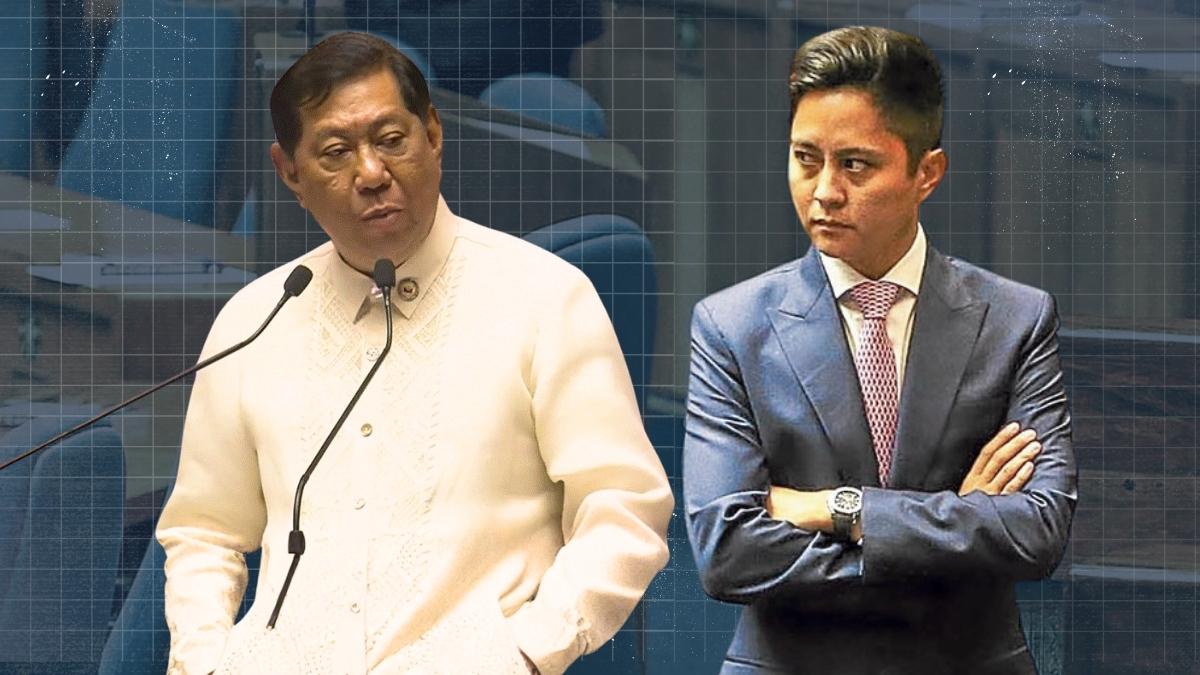
Edgar Erice Claims He Was Summoned to Sandro Marcos’ Office After Speech on Political Dynasties
Naglabas ng pahayag si Edgar Erice kaugnay ng umano’y insidenteng naganap matapos ang kanyang talumpati sa plenaryo ng House of Representatives of the Philippines kung saan tinuligsa niya ang usapin ng political dynasties sa bansa.
Ayon kay Erice, hindi pa umano siya tapos magsalita nang siya ay sunduin ni Marcelino Libanan at dalhin sa opisina ni Sandro Marcos, ang Majority Leader ng Kamara.
Sa kanyang salaysay, sinabi ni Erice na doon siya kinompronta ni Marcos kaugnay ng kanyang mga pahayag.
“Sinita ako ni Congressman Marcos at tinanong— ‘Ano ’yon?!’,” ani Erice.
Usapin ng Political Dynasties
Ipinaliwanag ni Erice na ang kanyang talumpati ay nakatuon sa matagal na niyang adbokasiya laban sa political dynasties.
Sa ilalim ng 1987 Constitution of the Philippines, may probisyon na naglalayong ipagbawal o limitahan ang political dynasties, ngunit hanggang ngayon ay wala pa ring malinaw na batas na ganap na nagpapatupad nito.
Para kay Erice, ang kanyang privilege speech ay bahagi ng kanyang patuloy na panawagan para sa mas malinaw na regulasyon laban sa konsentrasyon ng kapangyarihan sa iilang pamilya sa pulitika.
“Ina-atake Mo ang Aking Ama”
Ayon pa sa kongresista, sinabi umano ni Sandro Marcos na ang kanyang talumpati ay tila pag-atake sa kanyang ama na si Ferdinand Marcos Jr..
“Hindi ’yon! Ina-atake mo ang aking ama!” umano ang sinabi ni Marcos ayon sa salaysay ni Erice.
Sa kanyang tugon, ipinaliwanag ni Erice na ang kritisismo sa pulitika ay hindi personal na pag-atake kundi bahagi ng demokratikong diskurso.
Ayon sa kanya, ang layunin ng kritisismo ay makatulong upang maituwid ang mga pagkakamali kung bukas ang isip ng mga nakikinig.
Panawagan sa Demokratikong Debate
Isa sa mga pangunahing punto ng pahayag ni Erice ay ang kanyang panawagan na ang mga hindi pagkakaunawaan tungkol sa mga pahayag sa plenaryo ay dapat pag-usapan sa loob mismo ng plenaryo.
“Kung may mali at kasinungalingan, bakit hindi ako debatihin dito mismo sa plenaryo?” tanong niya.
Para kay Erice, ang plenaryo ng Kongreso ang tamang lugar upang pagtalunan ang mga mahahalagang isyu dahil ito ang forum kung saan maaaring marinig ng publiko ang magkabilang panig.
Wala Pang Pahayag Mula sa Kampo ni Sandro Marcos
Sa kasalukuyan, wala pang opisyal na pahayag mula sa kampo ni Sandro Marcos hinggil sa alegasyon ni Erice tungkol sa nasabing insidente.
Dahil dito, hindi pa malinaw ang buong konteksto ng pag-uusap sa pagitan ng dalawang mambabatas.
Sa mga ganitong sitwasyon, mahalagang marinig ang pahayag ng magkabilang panig upang magkaroon ng mas malinaw na pag-unawa ang publiko sa nangyari.
Politikanta Satirical Jab 🎭
Sa politika ng Pilipinas, may isang hindi nakasulat na patakaran:
Kapag ang kritisismo ay tumama sa sistema — debate ang sagot.
Pero kapag tumama sa pamilya — nagiging personal ang usapan.
Ang tanong ngayon ng publiko:
Ang Kongreso ba ay arena ng ideya… o arena ng apelyido?
Faith Reflection
📖 Proverbs 18:13
“To answer before listening—that is folly and shame.”
Ang talatang ito ay nagpapaalala na sa anumang debate o diskusyon, mahalagang pakinggan muna ang buong konteksto bago magbigay ng hatol o reaksyon.
Sa isang demokratikong lipunan, ang bukas na pag-uusap at maayos na debate ay mahalagang bahagi ng paghahanap ng katotohanan.





🔥 Trending on Facebook
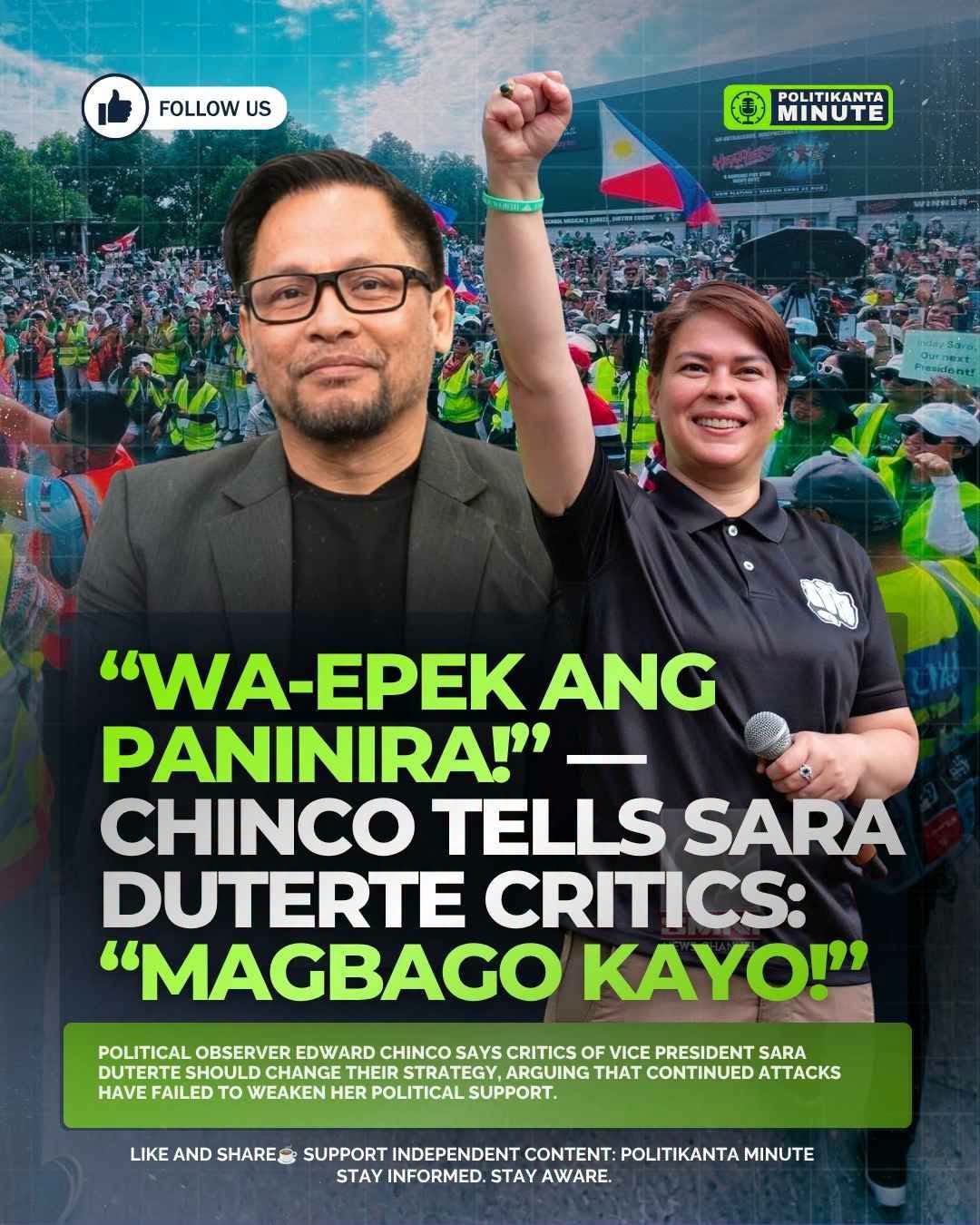
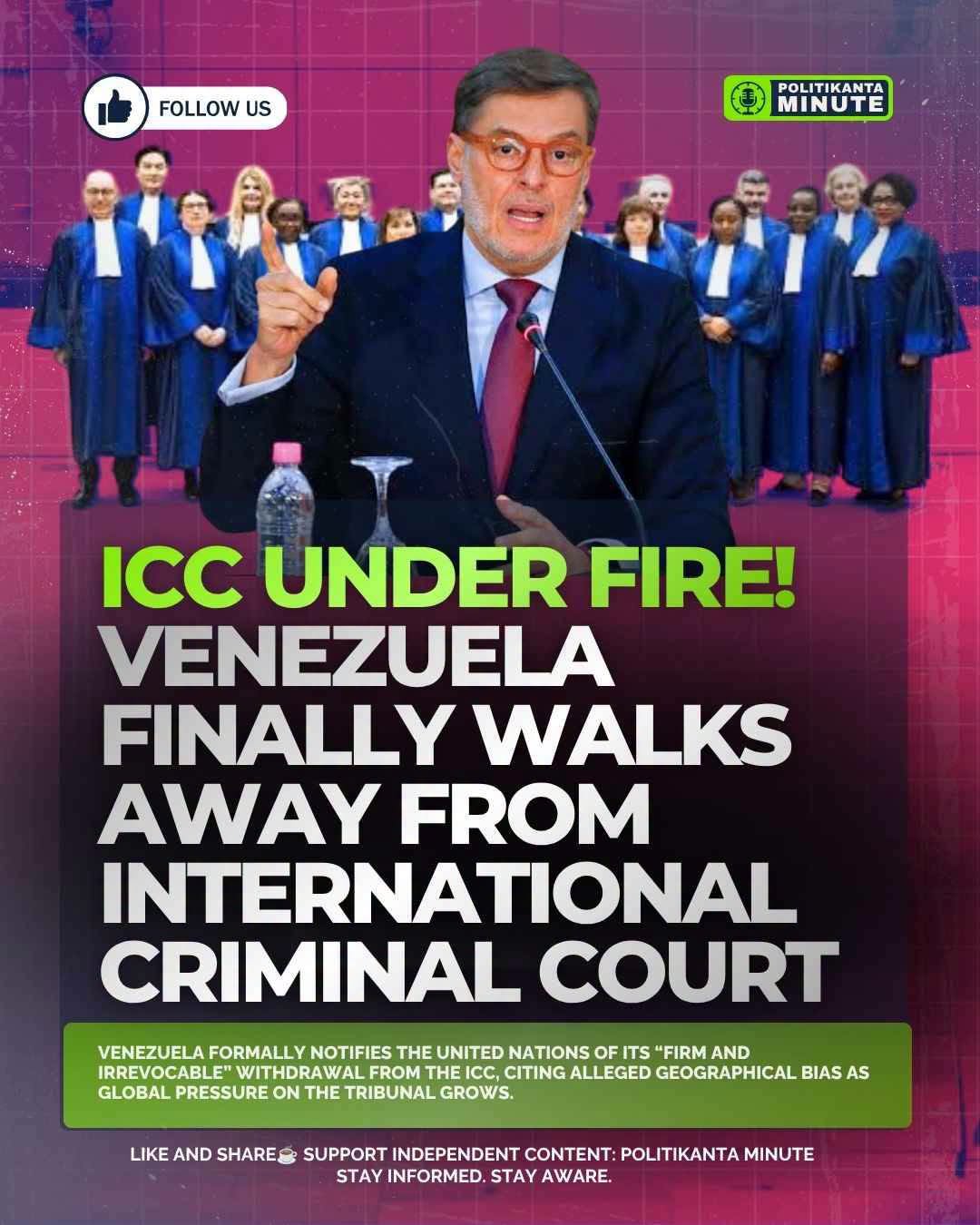
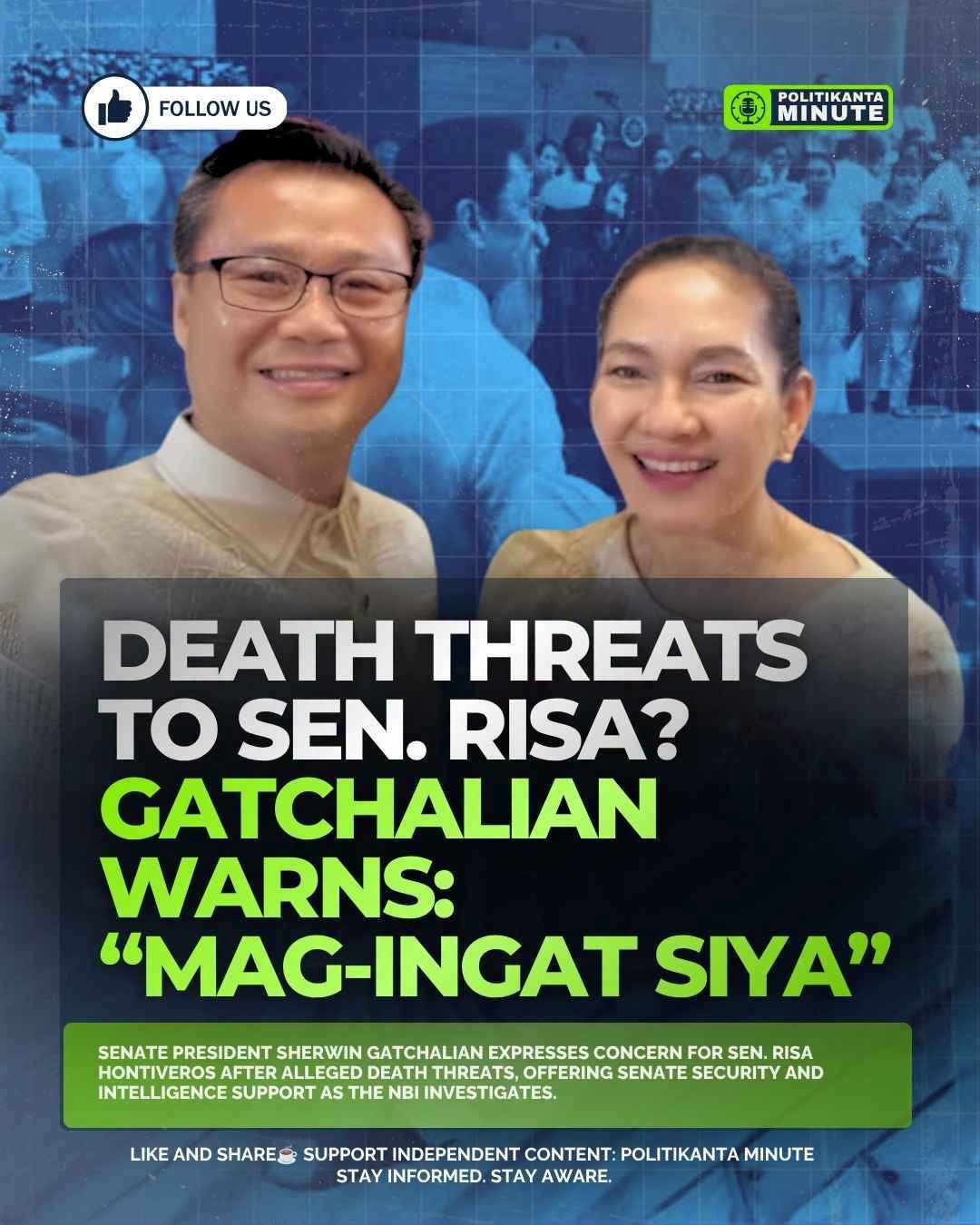
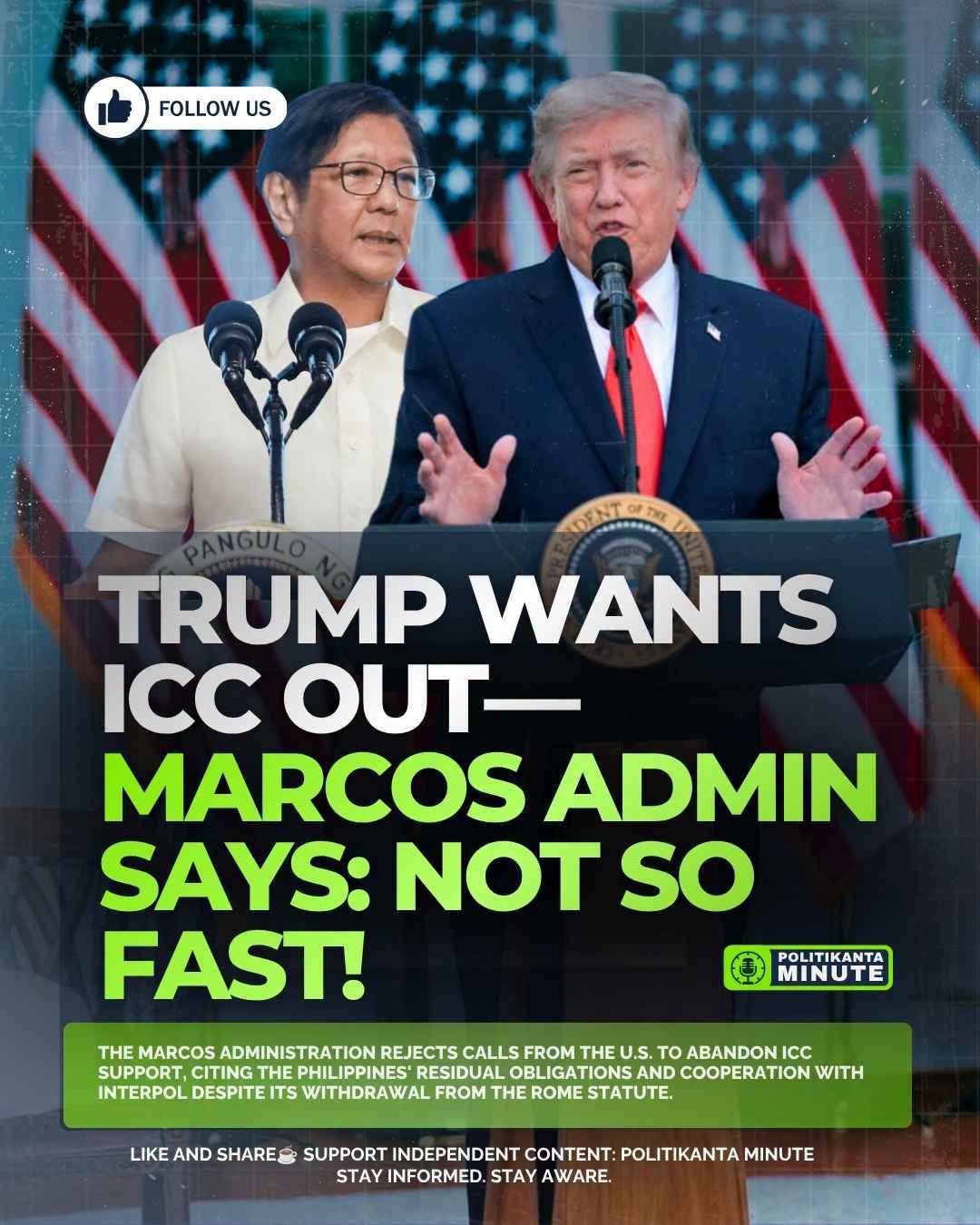
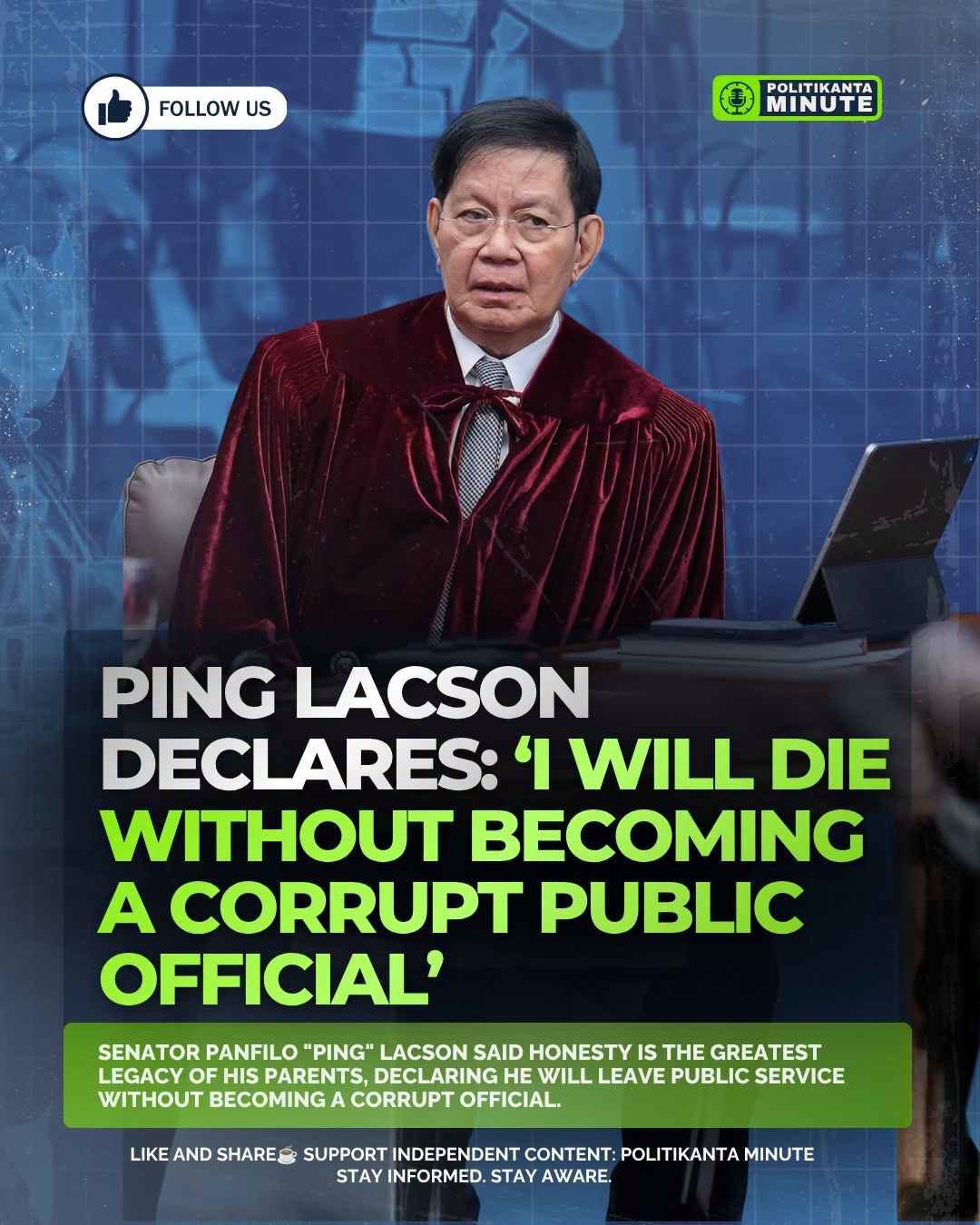
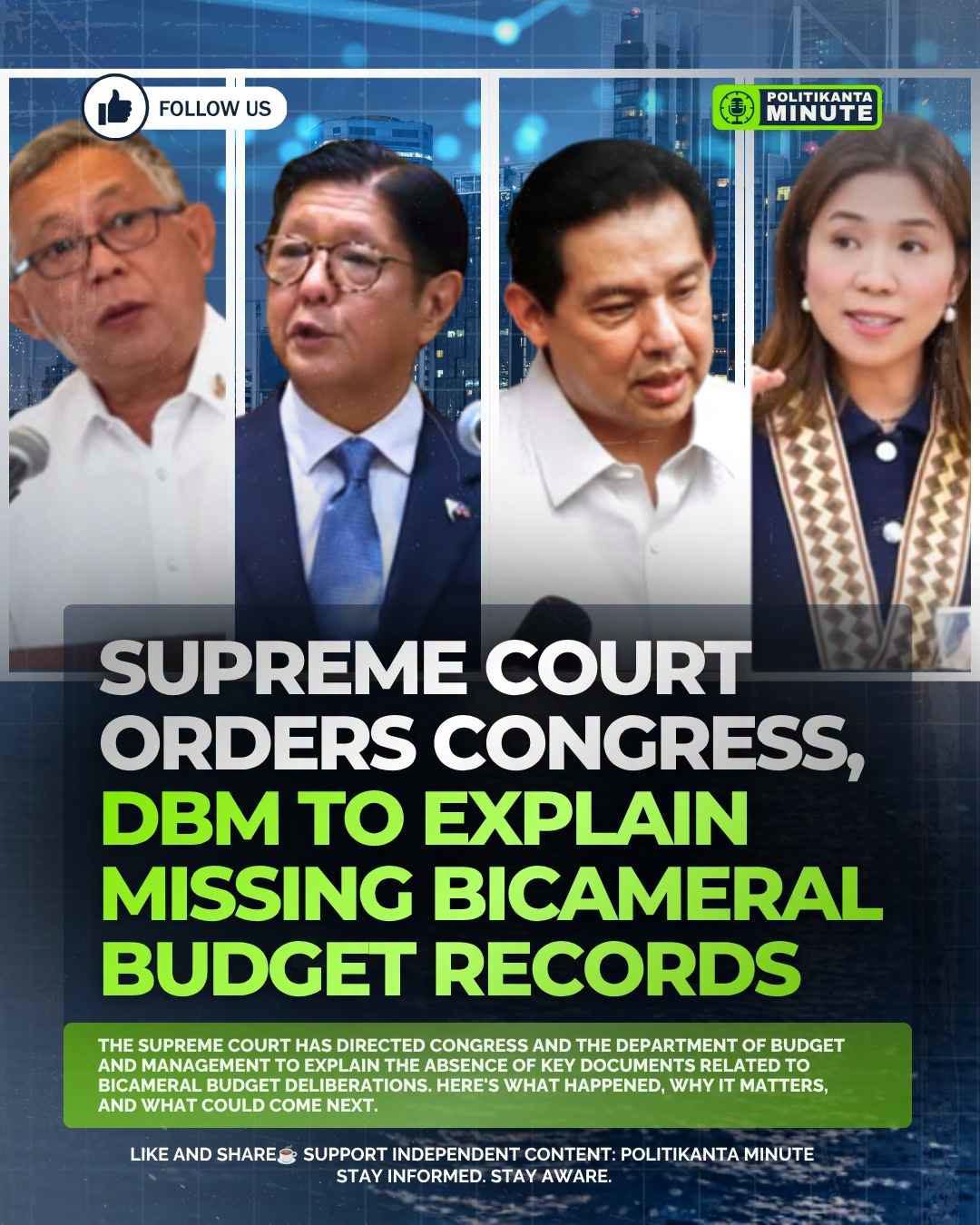
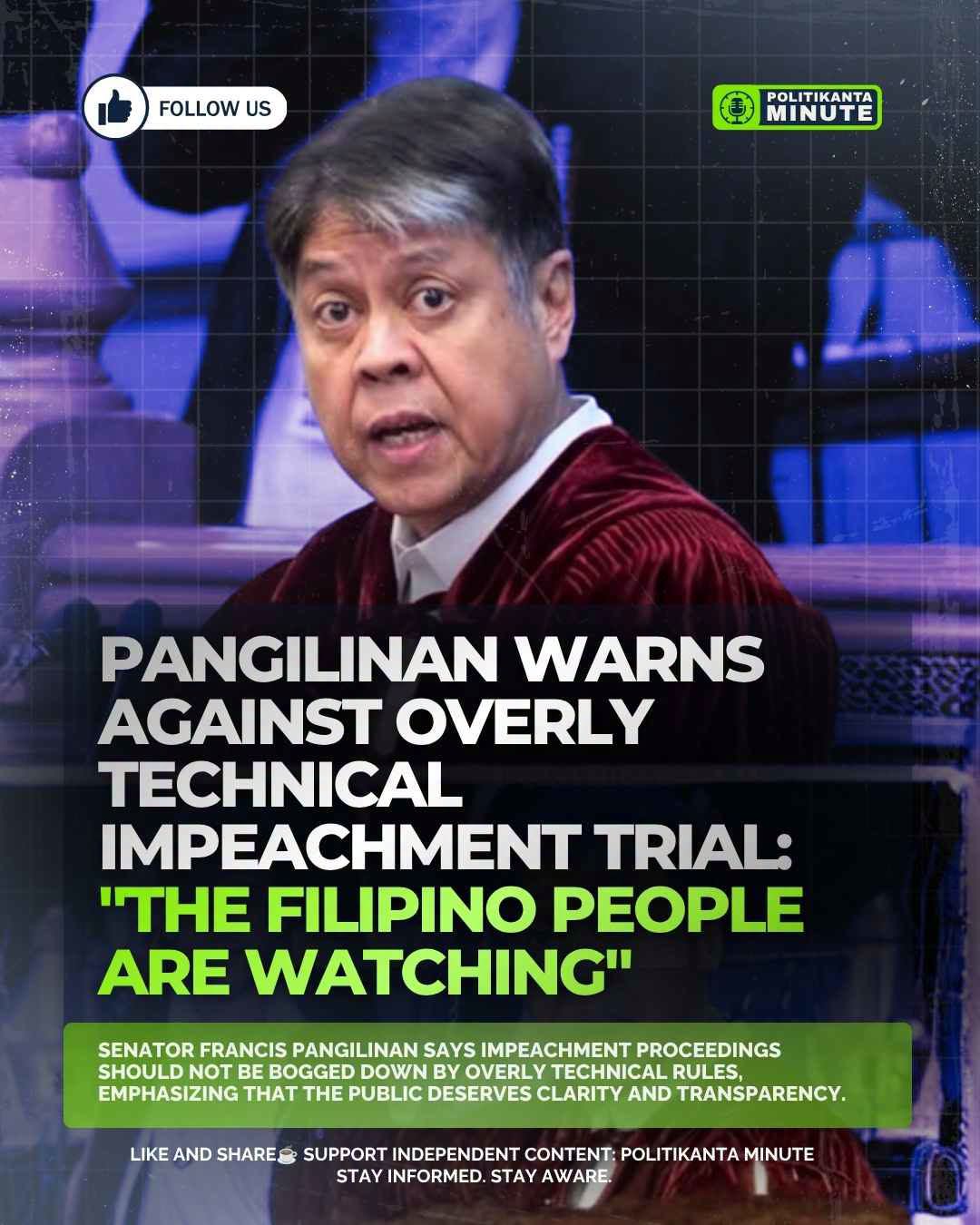
Stay connected with Politikanta Minute through our latest Facebook posts featuring breaking political news, viral discussions, exclusive commentary, and community conversations. Click any post below to read more, leave a comment, and join the discussion.







More Sports Stories
Philippine Political News, Commentary & Breaking Updates
About Politikanta Minute
Politikanta Minute delivers daily political news, commentary, breaking developments, Senate hearings, House investigations, government updates, sports, entertainment, and faith-based content.
Readers can browse thousands of articles, curated YouTube playlists, and organized topic hubs covering Philippine and global events.
Whether you're following BBM Issues, Duterte Issues, Congress hearings, or the latest entertainment stories, Politikanta Minute brings together videos, articles, and analysis in one place.
FOLLOW US
Disclaimer: This site uses publicly available images and materials for news, satire, and commentary. All rights belong to their respective owners. No copyright infringement intended.
© 2025 Politikanta Minute. All Rights Reserved.
Political Commentary • Satire • Faith-Based Reflection
Some visuals may be AI-generated for satire and illustration. Not real footage unless stated.
FOLLOW US
Disclaimer: This site uses publicly available images and materials for news, satire, and commentary. All rights belong to their respective owners. No copyright infringement intended.
© 2025 Politikanta Minute. All Rights Reserved.
Political Commentary • Satire • Faith-Based Reflection
Some visuals may be AI-generated for satire and illustration. Not real footage unless stated.