₱319 Billion Question: When a Budget Tests a President’s Veto Pen
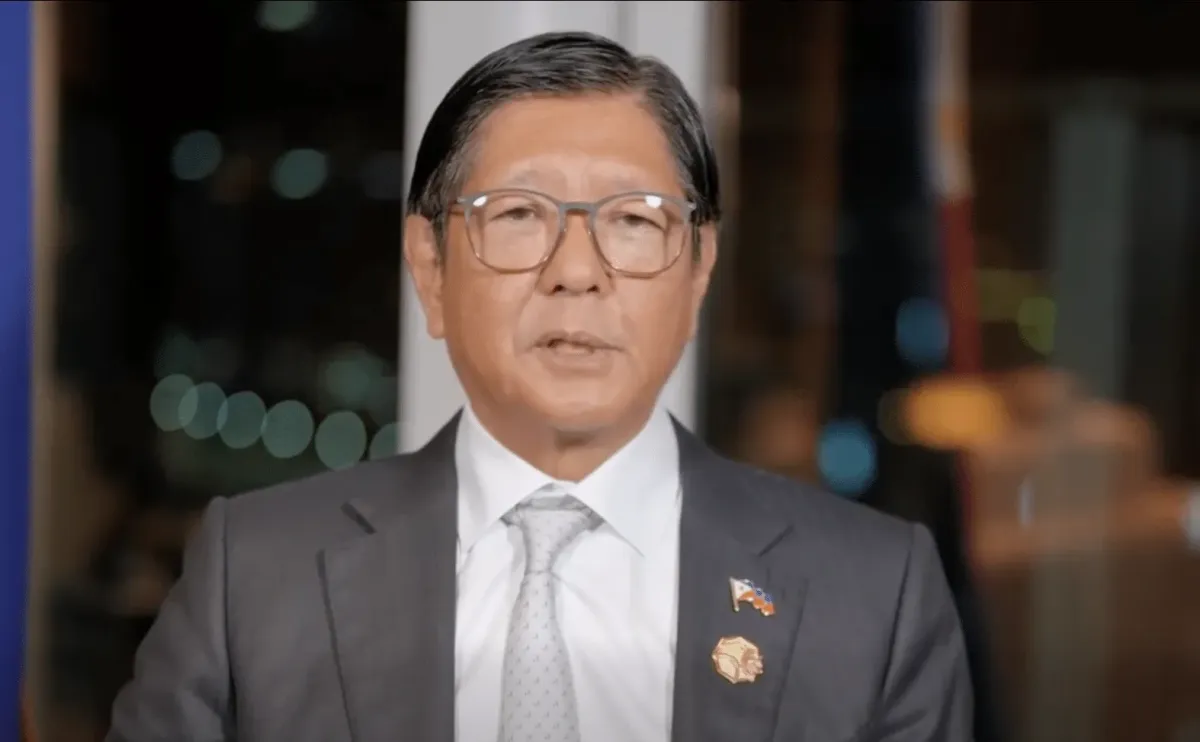
As President Ferdinand Marcos Jr. prepares to sign the 2026 national budget, watchdogs are sounding a familiar alarm — this time over ₱319 billion worth of “highly questionable” items inserted late in the process.
According to civil society groups, these items were added through last-minute adjustments, outside meaningful public scrutiny, undermining claims of transparency in the bicameral budget process. The concern is not just size — it’s discretion.

Agila satire sees what numbers alone can’t show.
When lump-sum appropriations reappear, oversight weakens.
When details are vague, accountability thins.
When timing is rushed, scrutiny is sidelined.
Watchdogs warn that some of these funds are vulnerable to political patronage, echoing the very pork-barrel practices the country has long promised to abandon. Infrastructure, financial assistance, and discretionary programs may be legal on paper — but legality is not the same as legitimacy.
This moment places the President at a crossroads.
Signing the budget untouched preserves speed.
Vetoing questionable items tests resolve.
The eagle notes the deeper issue: veto power exists precisely for moments like this — when a leader must choose between convenience and credibility.
Scripture frames leadership responsibility plainly:
“Whoever is faithful with little will also be faithful with much.”
— Luke 16:10
The ₱319 billion question is not whether the budget can pass.
It already has.
The real question is whether it can pass the test of trust.
🦅 Agila watches not the applause — but the veto line.

₱633 Billion Question: When the Budget Has Too Many Shadows
With only days left to decide on the 2026 national budget, President Ferdinand Marcos Jr. is being warned by watchdogs about a familiar danger dressed in new labels: hard pork, soft pork, and shadow pork — amounting to an estimated ₱633 billion.
Agila satire listens closely when citizens who read the fine print start raising flags.
According to monitoring groups, this is not about one line item or one agency. It is about how discretion quietly replaces planning, and how public money becomes flexible in the wrong hands. Roads, bridges, flood control projects — all necessary — but reshaped through political discretion instead of transparent design.
Hard pork hides in infrastructure.
Soft pork hides in aid and discretionary programs.
Shadow pork hides where oversight thins and questions are postponed.
The eagle sees the pattern:
When everything is labeled “urgent,” scrutiny becomes “optional.”
Watchdogs are not calling for a veto for drama’s sake. They are calling for citizen monitoring, rights-based programs, real-time dashboards, and safeguards that prevent politicians from choosing beneficiaries like favors.
Even programs meant to help — health aid, social assistance, local grants — risk becoming transactional when accountability is weak. A budget can be legal, approved, and signed — yet still corrosive if transparency is absent.
Scripture reminds leaders what stewardship truly means:
“It is required of stewards that they be found faithful.”
— 1 Corinthians 4:2
The question facing Malacañang is not whether the budget can pass.
It is whether it can stand scrutiny after the applause fades.
🦅 Agila does not fear big numbers — it fears blind spots.