₱8 Million or More? Controversy Deepens Over Impeachment Hearing Evidence
When legal lines blur in public hearings, the consequences may go far beyond politics.
A bold statement from broadcaster Jay Sonza is now fueling discussion—raising questions not just about accountability, but about possible legal exposure.
Viral News Summary
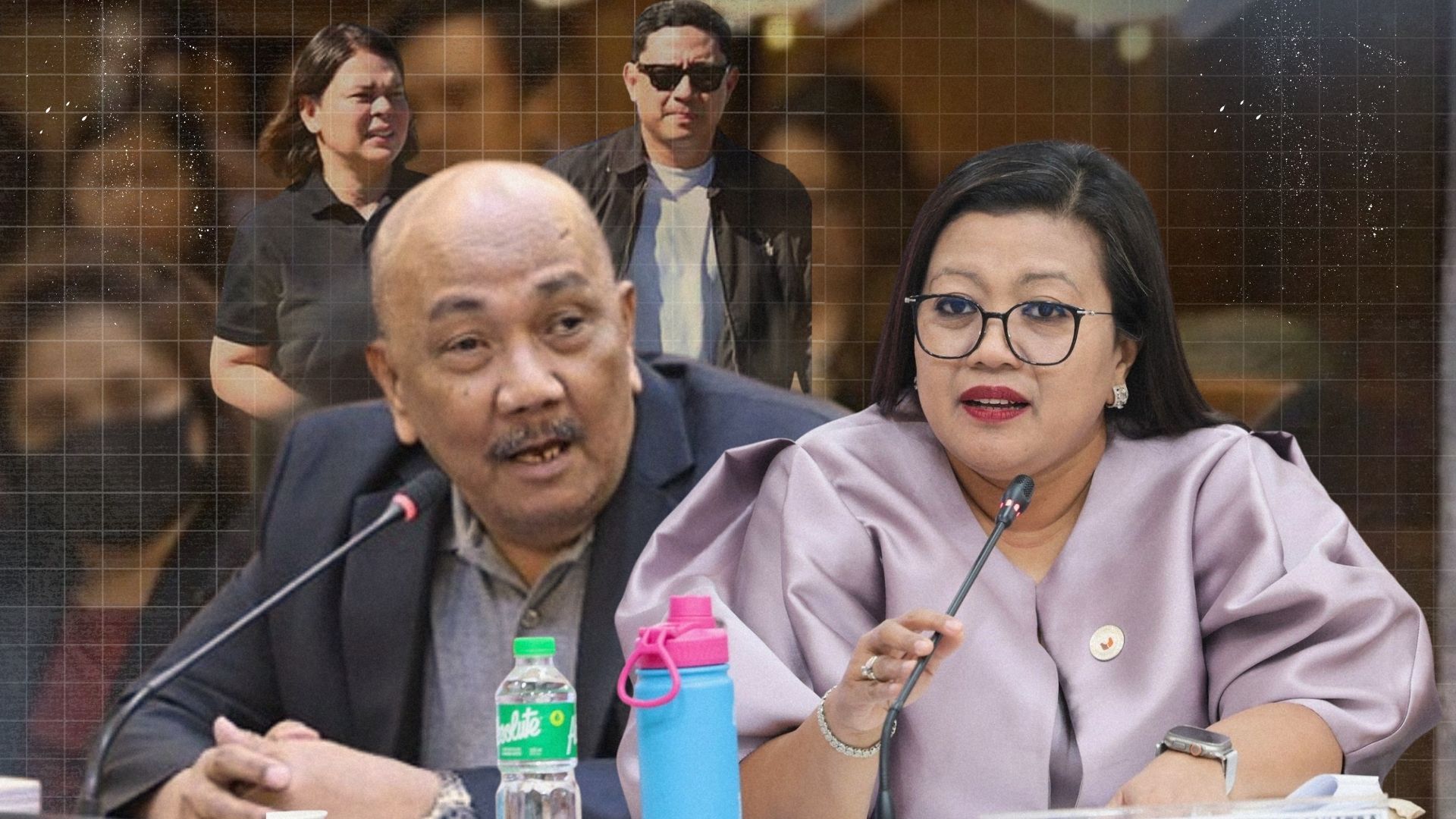
Veteran broadcaster Jay Sonza drew attention online after commenting on developments surrounding the impeachment proceedings involving Sara Duterte.
In his post, Sonza suggested that potential liabilities tied to the hearings may go beyond an alleged ₱8 million, pointing to possible additional consequences including legal penalties.
He specifically mentioned concerns related to bank secrecy and data privacy laws, in connection with the use and presentation of financial records during the House Justice Committee hearings led by Gerville Luistro.
The issue centers on how AMLC-related data and alleged financial records were handled and whether such disclosures complied with existing laws.
Here’s What This Really Means…
Let’s not play surface-level here—this is where things get serious.
This raises a bigger issue:
Can exposing financial data in a public hearing cross legal boundaries?
Because in the Philippines:
👉 Bank secrecy laws are STRICT
👉 Data privacy laws carry REAL penalties
👉 And misuse of financial information can lead to BOTH civil and criminal cases
Now stress test the situation:
✔ If data was legally obtained → it can be used
❗ If data was improperly disclosed → that’s a different story
That distinction?
That’s where the entire case can shift.
Here’s the uncomfortable reality:
👉 Fighting corruption requires transparency
👉 But transparency without legal basis can backfire
And that’s the tightrope being walked here.
Public Reaction
Online reactions escalated quickly:
Some agreed with Sonza, warning of possible legal repercussions
Others defended the hearings as part of legitimate accountability processes
Many questioned whether proper procedures were followed in presenting financial data
Why This Matters…
This is no longer just political—it’s legal.
👉 If violations exist, accountability applies to ANY side
👉 If procedures were followed, then the issue shifts back to the allegations
Because in the end:
👉 Evidence must not only be strong
👉 It must also be legally obtained and properly presented
Otherwise, even the strongest case can collapse.
Closing Thought
In moments like this, the line between truth and error is not always about intention…
but about execution.
Because in law, how something is done matters just as much as why it is done.
And sometimes, the real question is not who is right—
but who followed the rules.
🎯 BIBLE VERSE
📖 1 Corinthians 14:40
“But everything should be done in a fitting and orderly way.”
🔍 Exegesis (Real Meaning)
This verse emphasizes that even good intentions must follow proper order and process.
🔥 Application Today
In public accountability:
👉 Truth must be presented correctly
👉 Justice must follow lawful steps
👉 Integrity includes both message and method
Because doing the right thing…
the wrong way… can still lead to consequences.
Courage With Compassion: Why Some Leaders Still Stand Apart
December 18, 2025•1 min read
In a political landscape crowded with speeches but short on conviction, statements that cut through the noise tend to stand out.

Congressman Leandro Leviste recently made one such statement, saying that across the country, he knows of no leader with courage and genuine concern for the people comparable to former Davao City Mayor and President Rodrigo Duterte.
It is a bold comparison—but one rooted in experience.
Leviste recalled witnessing Duterte’s leadership firsthand during his years as mayor of Davao City: a brand of governance marked not by polished rhetoric, but by decisive action, discipline, and a visible concern for ordinary citizens. For supporters, Duterte’s leadership style was clear—firm when needed, but grounded in a sense of responsibility to protect the public.
This kind of leadership resonates today because many Filipinos feel trapped between leaders who speak endlessly and systems that rarely deliver. In times of crisis—crime, corruption, or public disorder—people instinctively look for leaders who act, not just explain.
The comparison is not about perfection.
It is about presence.
Scripture speaks of this kind of leadership:
“Rescue the weak and the needy;
deliver them from the hand of the wicked.”
— Psalm 82:4
Leadership, in this sense, is not popularity—it is protection.
Politikanta Minute takeaway:
When courage is paired with compassion, leadership becomes felt, not staged. And that is why some leaders, long after leaving office, remain the standard by which others are measured.