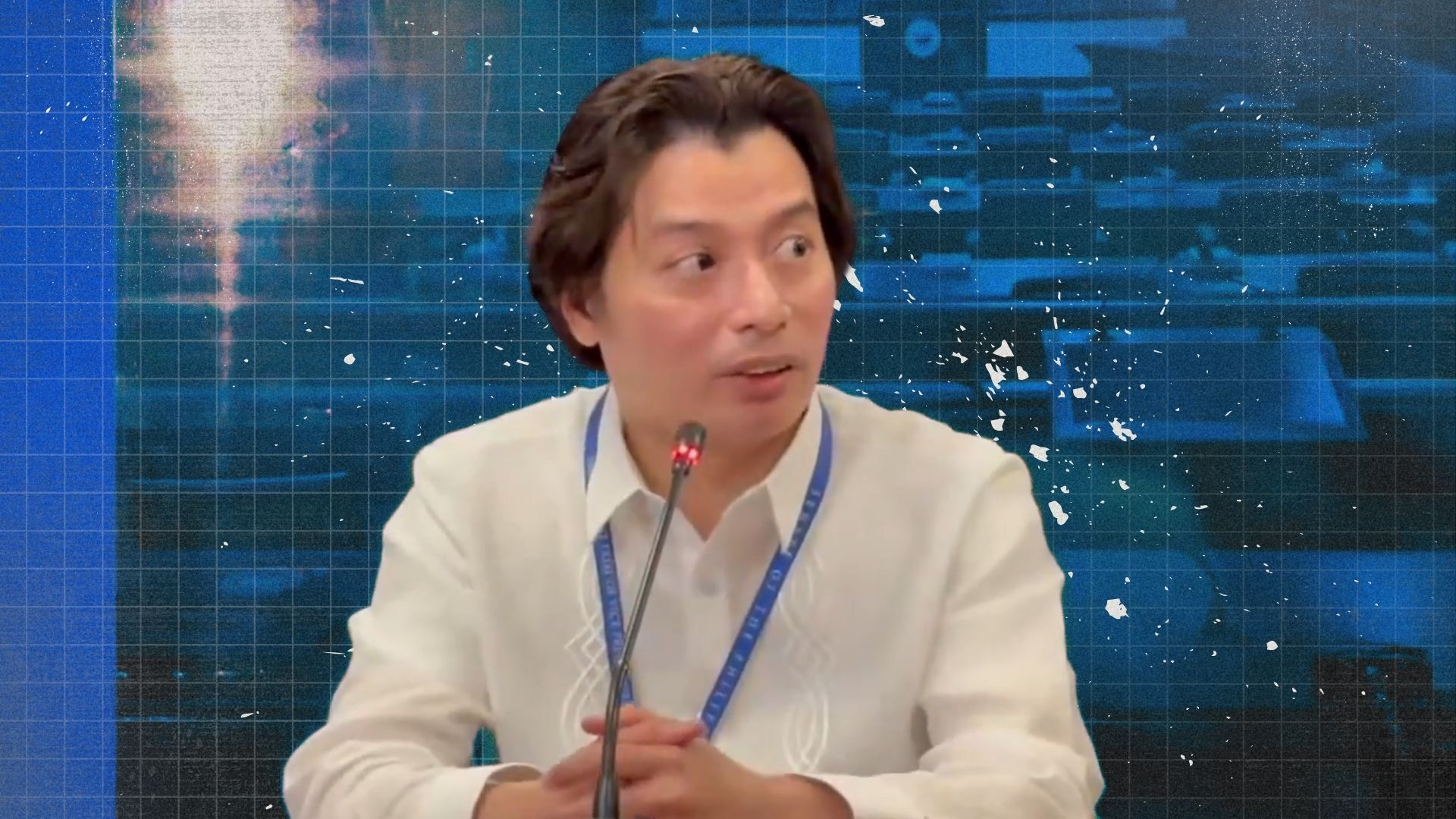
Atty. Michael Poa Clarifies Scope of COA Witness Testimony on Confidential Funds
Michael Poa Explains Scope of COA Witness's Testimony
Defense counsel Atty. Michael Poa clarified the testimony of a Commission on Audit (COA) witness during proceedings involving confidential funds.
According to Poa, the witness responded only to matters that fell within the responsibilities of the Intelligence and Confidential Fund Audit Office (COA-ICFAO), where she had been assigned.
Poa made the clarification while addressing questions regarding confidential funds involving previous vice presidents.
"Only Within Her Scope"
Poa said the witness's testimony was limited to the period and responsibilities covered by her office.
According to him, the witness answered only whether previous vice presidents, other than Vice President Sara Duterte, had confidential funds within the scope of the records and responsibilities handled by the COA-ICFAO.
He emphasized that the witness did not testify beyond the limits of her official assignment.
Clarification During Legal Proceedings
The exchange occurred as both the prosecution and defense continued presenting arguments concerning the handling of confidential funds.
Lawyers from both sides have questioned witnesses to clarify the scope of audit responsibilities, documentary records, and official procedures.
Such clarifications are common during hearings to define the limits of a witness's personal knowledge and official duties.
Why the Scope of Testimony Matters
In legal proceedings, witnesses are generally expected to testify based on:
their personal knowledge,
official responsibilities,
documentary records under their custody,
and matters within the scope of their assignment.
Statements outside those areas may be challenged by opposing counsel.
Poa's clarification focused on explaining why the witness answered only questions related to her office's jurisdiction.
Why This Story Matters
The proceedings continue to examine issues surrounding confidential funds through witness testimony and documentary evidence.
Clarifying the limits of a witness's knowledge helps the tribunal determine what evidence may be relied upon as the hearings progress.
The exchange also illustrates the differing legal strategies employed by the prosecution and the defense.
Key Takeaways
Michael Poa clarified the scope of a COA witness's testimony.
He said the witness answered only matters covered by her assignment at the COA Intelligence and Confidential Fund Audit Office.
The clarification arose during proceedings involving confidential funds.
The underlying issues remain subject to ongoing legal proceedings.
Frequently Asked Questions
What did Michael Poa say?
Poa said the COA witness testified only within the scope of her responsibilities at the Intelligence and Confidential Fund Audit Office.
Did Poa make a finding about previous vice presidents?
No. He explained the limits of the witness's testimony rather than making a factual determination about previous administrations.
Why is the scope of testimony important?
Witnesses are generally expected to testify only about matters within their personal knowledge and official responsibilities, helping ensure the reliability of evidence presented during legal proceedings.
Editorial Note
This article reports statements made by defense counsel Michael Poa during ongoing legal proceedings. His remarks concern the scope of a witness's testimony and should not be interpreted as findings of fact regarding the underlying allegations or the actions of any individual. Matters discussed remain subject to legal proceedings.
1300 Pieces of Evidence? What the ICC Disclosure Really Means
January 09, 2026•2 min read
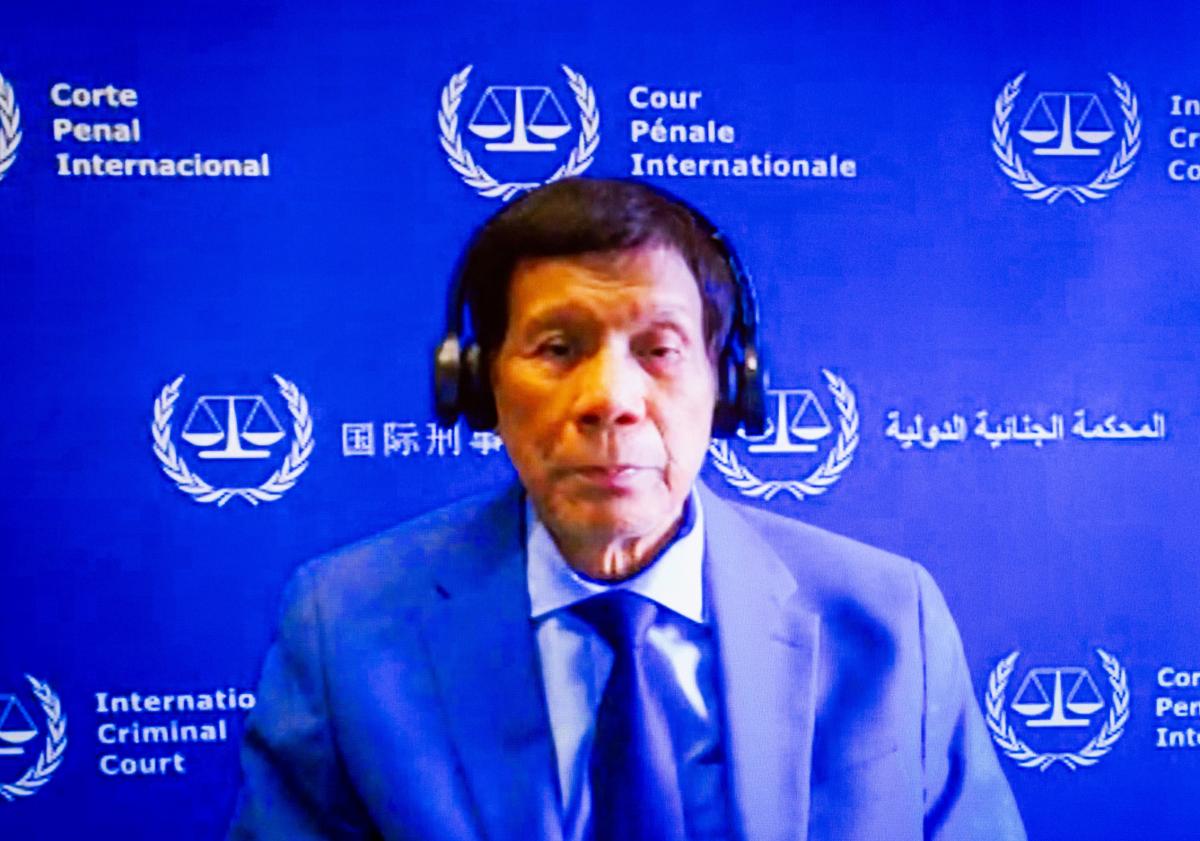
The International Criminal Court prosecutor has announced the disclosure of more than 1,300 pieces of evidence to the defense of former Philippine president Rodrigo Duterte—a development that has quickly been framed by headlines as a major breakthrough for the prosecution.

But in legal reality, disclosure is not a verdict.
According to ICC documents made public in late December, the Office of the Prosecutor (OTP) disclosed 1,303 items to the defense over several months. These are divided into categories:
Incriminating materials,
Rule 77 evidence, which the defense is entitled to inspect, and
Potentially exonerating evidence.
This distinction matters. Disclosure is a procedural obligation, not proof of guilt. International courts are required to turn over materials—strong, weak, and even contradictory—so that the defense can prepare properly. Quantity alone says nothing about quality.
More importantly, the ICC itself clarified that a large portion of the disclosed evidence will not even be used in the upcoming confirmation-of-charges hearings, which are still to be rescheduled. In other words, these materials are part of case preparation—not final adjudication.
Another point often overlooked: the disclosed items remain confidential. The public has not seen the evidence, cannot assess credibility, and cannot verify context. Any claim that these materials “prove” guilt is speculative at best and misleading at worst.
This is precisely why courts exist—to evaluate evidence, not headlines.
For Duterte’s legal team, disclosure is not a setback. It is a necessary step toward testing the prosecution’s case, challenging sources, examining credibility, and identifying gaps. Due process works both ways: the prosecution presents, and the defense scrutinizes.
In high-profile cases, numbers are easily weaponized. But justice is not a numbers game. It is a process governed by rules, thresholds, and standards of proof.
Until a court rules—after hearings, arguments, and judicial review—no amount of disclosed material equals a conviction.
That is not politics.
That is how law works.
'