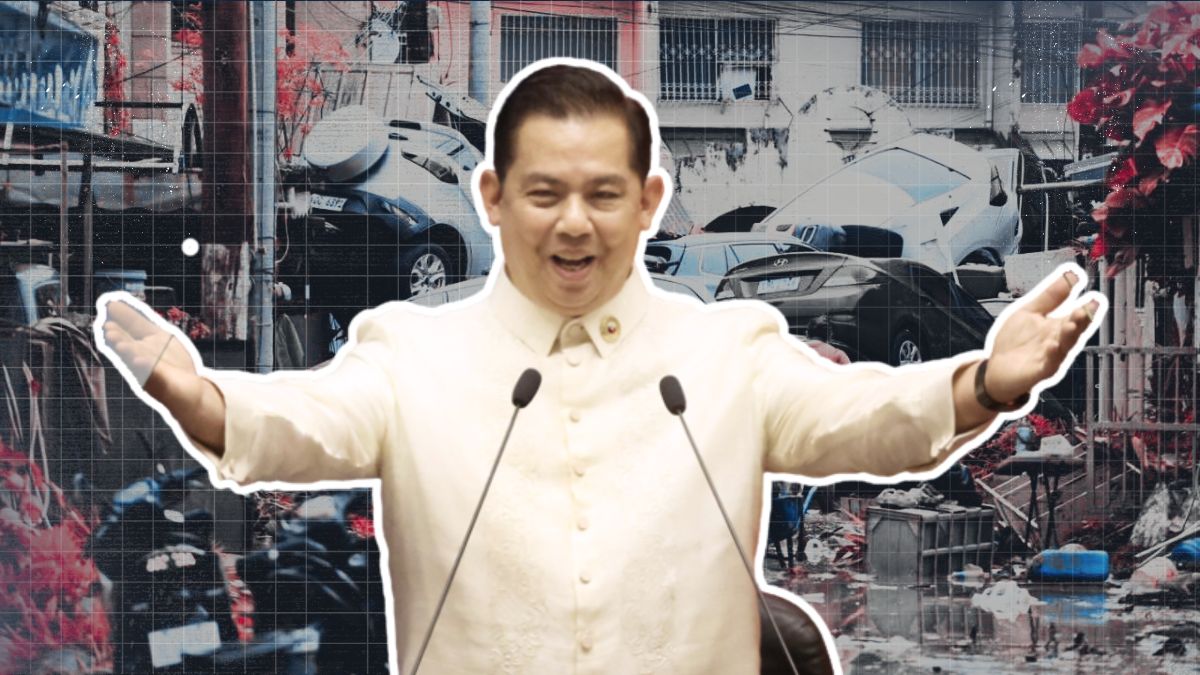
Billions at Stake, Civil Case Only: When Accountability Feels Too Light
A civil case has been filed over alleged ghost and failed flood control projects—projects that reportedly involved billions of pesos in public funds.

And that’s where many Filipinos pause.
Because when the issue involves billions, recurring floods, and communities left vulnerable year after year, the public naturally asks a harder question:
Why is this only a civil case?
A civil case addresses liability and damages.
But flood control failures are not abstract losses.
They affect homes, livelihoods, and lives.
According to reports citing investigative findings, huge sums were allocated for flood control, yet flooding persisted with little to no improvement on the ground. Residents are not asking for drama—they are asking for answers.
This is not about presuming guilt.
It is about proportional accountability.
If allegations involve massive public funds and systemic failure, then a purely civil route can feel insufficient to a public that has grown weary of seeing big controversies end quietly.
The concern is not vengeance.
It is deterrence.
Because when consequences appear light compared to the scale of alleged damage, the system sends an unintended message:
that power softens accountability.
Scripture offers a sobering reminder for those entrusted with authority:
“From everyone who has been given much, much will be demanded.”
— Luke 12:48
Public office is stewardship.
And stewardship requires answers that match the weight of the trust given.
Politikanta Minute takeaway:
When billions are questioned and communities still flood, accountability must feel real—not symbolic. Otherwise, justice risks looking like paperwork, not protection.
