Chel Diokno Says Subpoena for VP Sara Duterte's Records Meets Legal Standards
Chel Diokno Defends Request for VP Sara Duterte's Financial Records
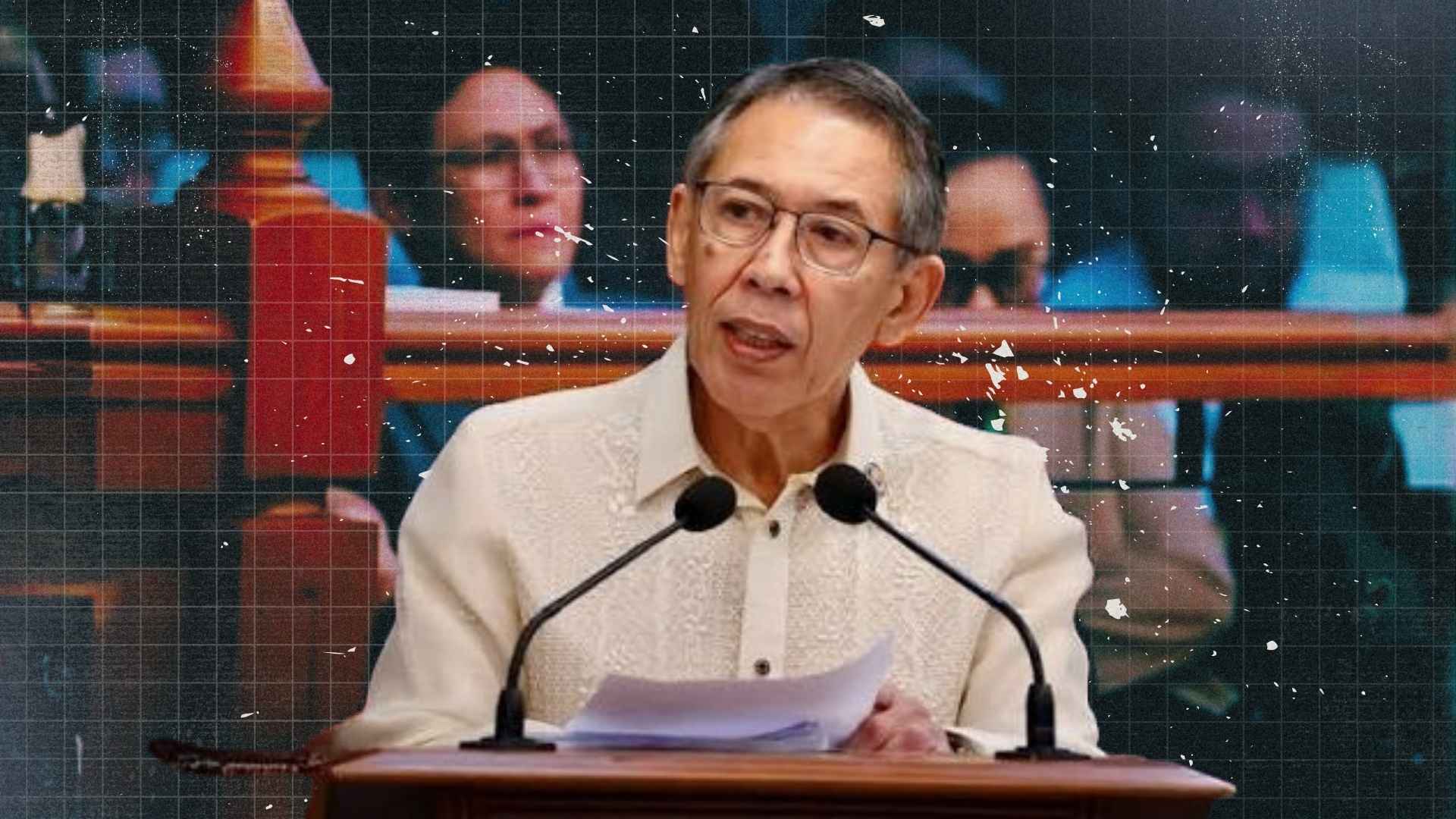
House prosecutor Rep. Chel Diokno defended before the Senate Impeachment Court the prosecution's request to subpoena the financial records of Vice President Sara Duterte, arguing that the request complies with the legal requirements governing subpoenas.
During his oral argument, Diokno distinguished a search warrant from a subpoena duces tecum, explaining that the two are governed by different legal standards.
Search Warrant vs. Subpoena
Diokno told the senator-judges that constitutional limitations primarily apply to search warrants because they authorize government authorities to conduct searches and seizures.
A subpoena, however, follows a different legal framework.
According to Diokno, subpoenas are governed by Rule 21 of the Rules of Civil Procedure, which requires that the documents being requested satisfy two important standards:
Relevance — the documents must be connected to facts that need to be proven.
Definiteness — the request must clearly identify the specific documents being sought.
Why the Records Matter
The prosecution argued that the requested bank records, Bureau of Internal Revenue (BIR) records, and Anti-Money Laundering Council (AMLC) records are directly relevant to the allegations of unexplained wealth under Article II of the Articles of Impeachment.
According to Diokno, determining whether unexplained wealth exists requires examining financial records that could either support or refute the allegations.
He argued that without access to those records, it would be difficult for the impeachment court to fully assess the prosecution's claims.
Not a General Request
Diokno also rejected the idea that the subpoena was overly broad.
He explained that the prosecution identified the particular documents being requested and included explanations describing why each category of records is material to the case.
Because of this, he argued that the subpoena satisfies the legal requirement of definiteness rather than functioning as an unrestricted request for information.
The Court Must Decide
The prosecution's position is that the requested records are essential pieces of evidence for evaluating the allegations of unexplained wealth.
Meanwhile, the defense has opposed the request, maintaining that compelling disclosure of confidential financial records raises constitutional and legal concerns and should not be allowed without sufficient legal basis.
The Senate Impeachment Court will ultimately determine whether the standards for issuing a subpoena duces tecum have been met.
Balancing Accountability and Legal Rights
The discussion reflects a broader legal question frequently encountered in impeachment and judicial proceedings: how to balance transparency and accountability with constitutional protections such as privacy, due process, and the lawful handling of confidential financial information.
Whatever the court decides, its ruling could influence the scope of documentary evidence available during the remainder of the impeachment trial.
Conclusion
Chel Diokno maintained that the prosecution's request for the Vice President's bank, BIR, and AMLC records complies with the legal standards governing subpoenas because the requested documents are both relevant and specifically identified.
The Senate Impeachment Court will determine whether those legal requirements have been sufficiently established before deciding whether to issue the requested subpoena.
Bible Reflection (Exegesis)
"For the Lord loves justice and does not forsake his faithful ones." — Psalm 37:28
This verse reminds believers that justice requires both truth and fairness. In legal proceedings, the pursuit of accountability should be carried out through established legal processes that respect evidence, due process, and the rights of all parties. A just outcome depends not only on uncovering facts but also on following lawful procedures in doing so.
HOUSE WATCH | “No Emissaries, No Backchannel”: Lawyer Says Zaldy Co Was in Sweden
February 07, 2026•3 min read
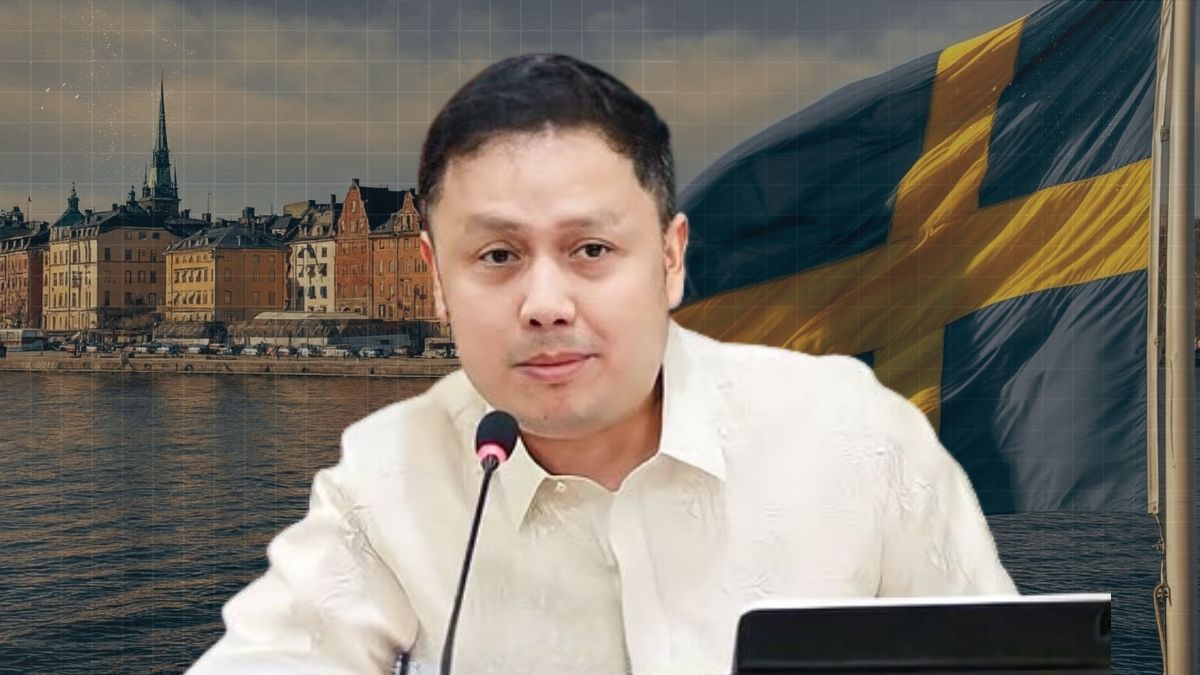
As speculation continues to swirl around alleged backchannel communications involving party-list lawmaker Zaldy Co, his legal counsel has issued a categorical denial: Co did not send emissaries to negotiate or communicate with the Philippine government and was physically in Sweden at the time such claims surfaced.
The clarification, relayed through his lawyer, seeks to counter narratives suggesting quiet overtures to authorities amid legal and political pressure. At its core, the statement reframes the controversy from one of alleged secret talks to a question of verifiable presence and documented travel.
In high-profile cases, this distinction matters. Allegations of emissaries and “feelers” imply intent—an attempt to influence outcomes discreetly. Denials anchored in geography and timelines aim to dismantle that premise.
The Lawyer’s Assertion: Location as Evidence
According to the lawyer, Co was in Sweden during the period in question, making it implausible for him to have orchestrated or authorized emissaries to speak on his behalf with Philippine officials. The defense positions this as a fact-based rebuttal, not a rhetorical one—suggesting travel records and schedules can be produced if needed.
This approach highlights a recurring dynamic in public controversies: when claims rely on inference, counters often rely on verifiable logistics. Where narratives suggest clandestine channels, responses emphasize passports, flights, and timestamps.
Discreet satire, evidentiary edition: it’s hard to run backchannels when your phone pings from another continent.
Why “Emissaries” Became a Flashpoint
The idea that a politician might deploy intermediaries during legal uncertainty carries heavy implications. It hints at bargaining, pressure, or attempted accommodation—actions that can undermine public trust even if no law is broken.
By denying the use of emissaries outright, the defense aims to remove the suggestion of behind-the-scenes maneuvering. The message is not only “it didn’t happen,” but “there was no attempt to make it happen.”
That framing matters in a climate where perception often precedes proof.
Sweden, Distance, and Due Process
Being abroad does not, by itself, resolve legal or political questions. But it does shape how claims are evaluated. If Co was in Sweden, the allegation shifts from action to coordination—raising the bar for evidence.
Here, the lawyer’s statement implicitly invites scrutiny: if emissaries existed, who were they? Who authorized them? What communications link them to Co?
Absent such specifics, the denial functions as a call for substantiation, not silence.
The Role of Institutions
The issue unfolds alongside statements from Philippine authorities, including the National Bureau of Investigation, which have previously clarified procedural matters related to international coordination. As with other aspects of this case, institutions emphasize process over presumption.
International travel, legal requests, and alleged negotiations each follow distinct tracks. Conflating them risks distorting both facts and responsibilities.
Quiet civic satire: process is boring—until it’s the only thing standing between truth and rumor.
Media, Momentum, and the Burden of Proof
High-velocity news cycles reward compelling claims. Corrections, clarifications, and denials—especially those grounded in logistics—often travel slower. The result is an imbalance: allegations linger while rebuttals chase them.
This does not mean denials should be accepted uncritically. It does mean they should be weighed—especially when they hinge on checkable facts.
For the public, the task is not to choose sides prematurely but to distinguish what is asserted from what is demonstrated.
What This Clarification Does—and Doesn’t Do
The lawyer’s statement accomplishes several things:
It directly refutes claims of emissaries.
It places Co in a specific, verifiable location.
It challenges accusers to provide details.
What it does not do is resolve underlying controversies or substitute for institutional findings. It narrows the field of debate to evidence and timelines, where conclusions should ultimately rest.
The Broader Context
This episode fits a larger pattern visible in recent congressional and legal disputes: claims escalate quickly; clarifications arrive methodically. The tension between the two defines modern political accountability.
Whether future disclosures corroborate or contradict the denial will determine its staying power. Until then, the clarification stands as a reminder that assertions of intent require proof—especially when geography intervenes.
Discreet closing satire: distance may not clear a name, but it complicates a rumor.