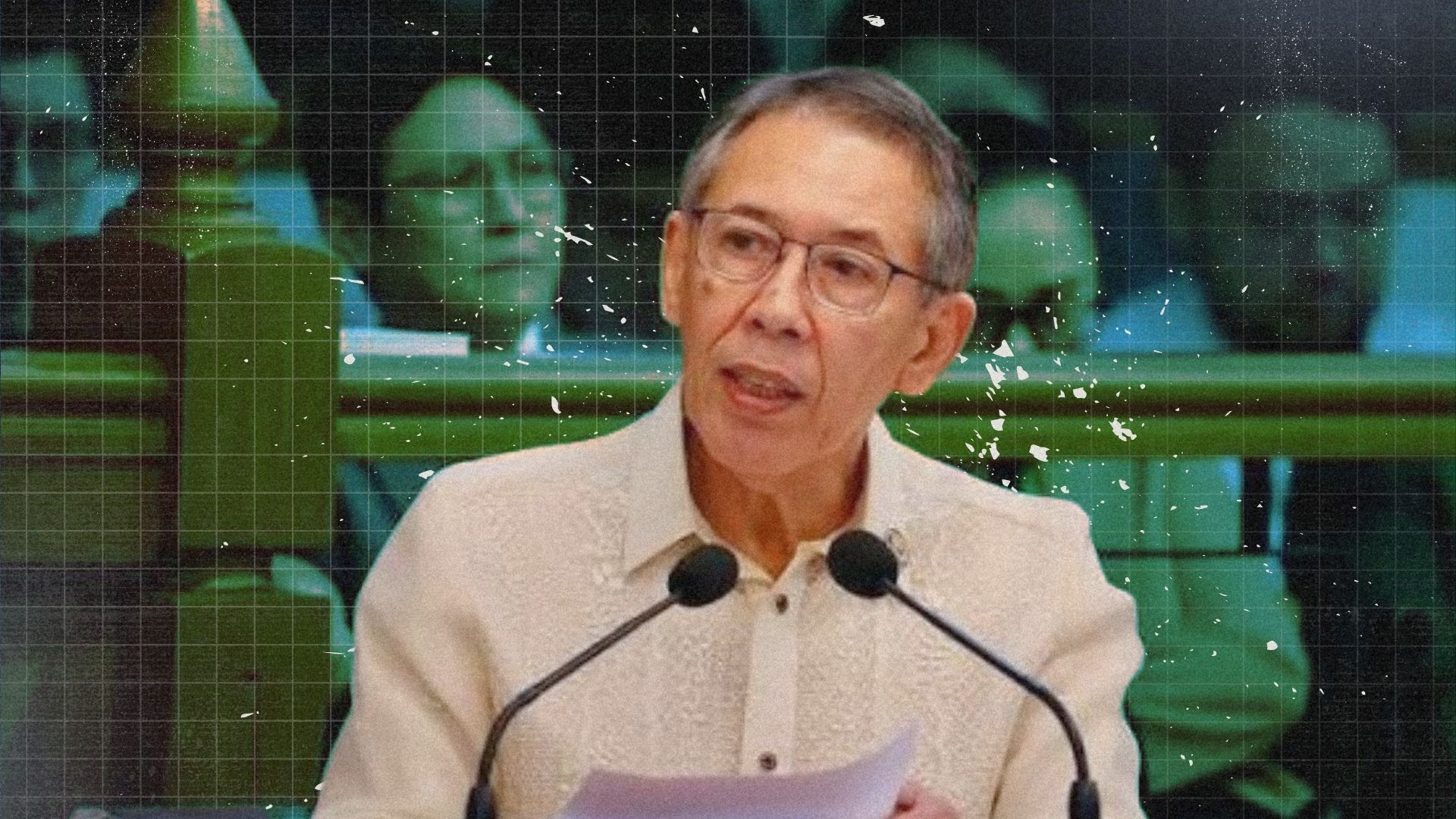
Chel Diokno Urges Senate to Subpoena VP Sara Duterte's Bank and Tax Records
Chel Diokno Pushes for Release of VP Sara Duterte’s Financial Records
House Prosecutor Rep. Chel Diokno urged the Senate, sitting as the Impeachment Court, to grant the prosecution's request to subpoena the bank records, tax records, and Anti-Money Laundering Council (AMLC) reports of Vice President Sara Duterte and her husband, Atty. Mans Carpio.
During the oral arguments, Diokno maintained that the requested documents are crucial in examining the allegations involving Article II of the Articles of Impeachment, which concerns alleged unexplained wealth.
According to the prosecution, the records could help establish whether the financial transactions and declared assets are consistent with the allegations raised in the impeachment complaint.
Prosecution: Financial Records Are Key Evidence
Diokno argued that obtaining the records is essential if the Senate wishes to determine the facts based on documentary evidence rather than speculation.
According to the prosecution, the subpoena request is intended to:
Examine financial transactions relevant to the impeachment complaint;
Compare available records with declarations required under existing laws;
Determine whether evidence supports or disproves allegations under Article II.
The prosecution emphasized that the request forms part of its effort to present documentary evidence before the impeachment court.
Defense Opposes the Request
The defense panel has opposed the subpoena request, arguing that compelling the production of bank records, tax documents, and AMLC reports raises legal and constitutional concerns involving privacy, due process, and evidentiary rules.
Defense lawyers contend that the requested records are protected by existing laws unless the legal requirements for disclosure are fully satisfied.
They also argue that the prosecution must first establish the legal basis before such confidential documents may be compelled.
The Senate Must Decide
Ultimately, the decision rests with the Senate sitting as an impeachment court.
The senator-judges will determine whether the requested documents are:
Relevant to the impeachment articles;
Material to resolving factual issues;
Properly obtainable through subpoena under the applicable impeachment rules.
Their ruling could significantly affect how Article II of the impeachment complaint proceeds.
Why the Issue Matters
The dispute is not only about obtaining financial records—it also raises broader legal questions involving:
The balance between transparency and privacy;
The scope of the Senate's subpoena powers during impeachment;
The evidentiary standards applicable in impeachment proceedings.
The court's decision may shape how similar requests are handled in future impeachment trials involving public officials.
Balanced Perspective
At this stage, the subpoena request remains a matter for the Senate Impeachment Court to decide.
A request for financial records does not by itself establish wrongdoing, just as opposition to the request does not by itself establish concealment. The legal question before the court is whether the requested documents are admissible, relevant, and necessary under the rules governing impeachment proceedings.
The allegations discussed remain part of ongoing proceedings, and no final determination has been made regarding the merits of Article II.
Conclusion
Chel Diokno's appeal underscores the prosecution's position that documentary financial records are necessary to present what it considers a complete picture of the allegations under Article II.
Whether those records will ultimately be produced now depends on the Senate Impeachment Court, whose ruling could become one of the most consequential procedural decisions in the impeachment trial.
Biblical Reflection (Exegesis)
"The one who states his case first seems right, until the other comes and examines him." — Proverbs 18:17 (ESV)
This proverb highlights the importance of hearing all relevant evidence before reaching conclusions. Justice is best served when claims are carefully examined, opposing arguments are heard, and decisions are based on facts rather than assumptions. In any legal proceeding—including impeachment—both transparency and due process play vital roles in pursuing truth while protecting fairness.
Zaldy Co and the Red Notice Question: What “More Information” Really Means
February 06, 2026•3 min read
The phrase “Interpol Red Notice” carries weight far heavier than most legal jargon, often triggering assumptions of guilt, imminent arrest, or international manhunts. But in the case of Zaldy Co, Philippine authorities are urging restraint—at least for now.
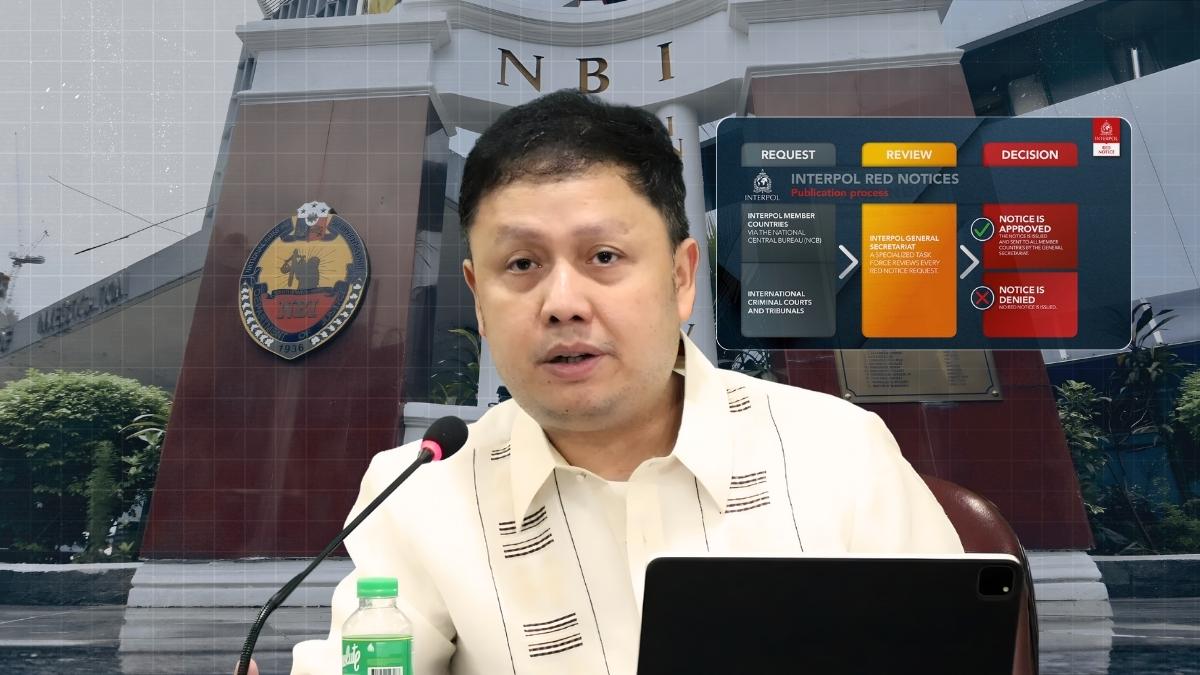
According to the National Bureau of Investigation, the International Criminal Police Organization, better known as Interpol, has not issued a red notice against Co. Instead, Interpol has reportedly requested additional information before acting on any potential request.
That distinction matters. A lot.
What a Red Notice Is—and Isn’t
A red notice is not an arrest warrant. It is a request circulated among Interpol’s member countries asking them to locate and provisionally arrest a person pending extradition or similar legal action. Crucially, Interpol does not issue red notices lightly; requests must be supported by sufficient legal documentation, clarity of charges, and compliance with Interpol’s own rules against political or abusive prosecutions.
When Interpol asks for additional information, it signals that the initial submission does not yet meet its threshold.
Discreet legal satire: Interpol doesn’t run on vibes; it runs on paperwork.
The NBI’s Clarification
The NBI confirmed that Interpol’s request for further details is part of a routine evaluation process. It does not automatically validate accusations, nor does it confirm wrongdoing. Instead, it reflects Interpol’s insistence on specificity, completeness, and due process before attaching its name to any international alert.
For domestic audiences accustomed to instant conclusions, this nuance can feel anticlimactic. But in international law enforcement, it is the rule—not the exception.
Why Interpol Is Careful
Interpol’s constitution explicitly bars it from engaging in activities of a political, military, religious, or racial character. This safeguard exists because red notices can be misused as tools of harassment or pressure, particularly against political figures.
That context is unavoidable here. Zaldy Co is not a private individual; he is a sitting lawmaker entangled in politically charged disputes, congressional hearings, and public accusations. For Interpol, that raises the bar.
Quietly, the request for more information suggests one thing: Interpol is checking whether the case is legal—or political.
The Domestic Impact: Optics vs. Process
Inside the Philippines, the headline alone—“Zaldy Co Red Notice”—already shapes public perception. Even without an actual notice, reputational damage can occur.
This is the paradox of high-profile cases:
International bodies move slowly and methodically
Public opinion moves fast and emotionally
The danger lies in confusing procedural steps with substantive findings.
Discreet satire, media edition: sometimes the loudest part of a case is the part that hasn’t happened.
What Happens Next
If Philippine authorities provide the additional information Interpol is seeking, several outcomes are possible:
No Red Notice Issued
Interpol may determine the case does not meet its criteria, ending the process quietly.Request for Further Clarification
Interpol may seek even more documentation, extending the evaluation.Red Notice Issued
Only if Interpol is satisfied that the case is legally sound, non-political, and properly documented.
Until one of these occurs, there is no red notice, no international arrest request, and no automatic legal consequence abroad.
The Larger Pattern
The episode fits into a broader pattern unfolding in Congress and public discourse: the collision of accountability claims with institutional safeguards. Calls for action—whether impeachment, expulsion, or international alerts—often meet procedural brakes designed to prevent abuse.
That friction frustrates some and reassures others. But it is precisely this friction that separates rule-based systems from rule-by-headline systems.
Why This Matters Beyond One Name
This case is not only about Zaldy Co. It is about how international mechanisms are invoked, how quickly narratives form, and how easily process is mistaken for proof.
Interpol’s pause is not a defense, nor is it an accusation. It is a reminder that even in high-pressure political environments, evidence still has to arrive before conclusions do.
Discreet civic satire to close: justice may be slow—but shortcuts age badly.