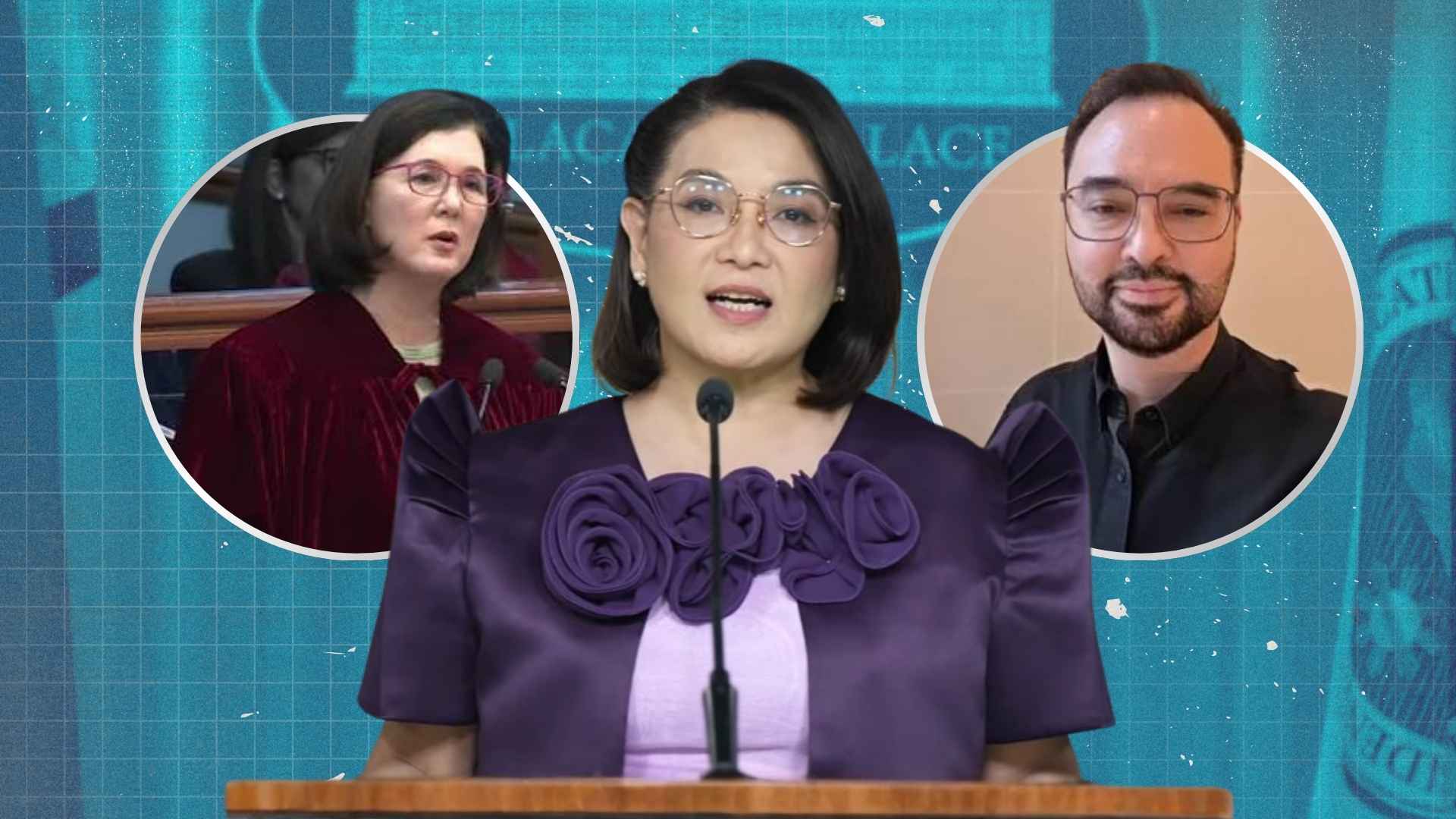
Claire Castro Defends NBI SEA Games Probe, Rejects Claims of Intimidation Against Cayetano Siblings
Claire Castro Defends NBI Probe Into 2019 SEA Games, Rejects Claims of Political Intimidation
Malacañang has pushed back against allegations that the National Bureau of Investigation's (NBI) probe into the 2019 Southeast Asian (SEA) Games is intended to pressure or intimidate senator-judges involved in the impeachment trial of Vice President Sara Duterte.
During a media briefing, Communications Undersecretary Claire Castro defended the investigation and emphasized that government agencies should be allowed to perform their duties without political interpretations.
"Ang taong walang dapat katakutan ay hindi dapat na-iintimidate kahit kailan," Castro said.
Her statement came after Senators Alan Peter Cayetano and Pia Cayetano questioned the timing of the investigation, suggesting that it could be perceived as an attempt to influence or pressure members of the Senate who are simultaneously serving as judges in the impeachment proceedings.
Palace Stands Behind the Investigation
Castro maintained that if government investigators uncover information warranting a formal inquiry, they have the responsibility to pursue it regardless of political circumstances.
According to the Palace, investigations should proceed based on available evidence and legal processes rather than assumptions about political motives.
The administration insists that accountability mechanisms should continue to function independently, even when they involve public officials holding important positions.
Cayetano Siblings Raised Concerns
The controversy began after the NBI announced it was looking into alleged irregularities surrounding infrastructure projects linked to the Philippines' hosting of the 2019 Southeast Asian Games, including aspects of the New Clark City Sports Complex.
Senator Alan Peter Cayetano, who chaired the Philippine Southeast Asian Games Organizing Committee (PHISGOC) during the event, questioned the timing of the investigation.
He earlier remarked:
"Hindi kayo halata."
His sister, Senator Pia Cayetano, likewise criticized what she described as pressure and intimidation directed toward her brother.
Both senators have expressed concern that launching the probe while impeachment proceedings are ongoing could create the appearance of political pressure.
Investigation Continues
For its part, the NBI has stated that the investigation is part of its mandate to examine alleged irregularities involving public funds.
Officials have also clarified that the inquiry is still in its fact-finding stage and that no final conclusions have been reached regarding possible criminal liability.
As with any government investigation, any findings would still undergo legal evaluation before charges, if any, are filed before the appropriate courts.
Commentary
Public confidence in government investigations often depends not only on the evidence gathered but also on public perception.
Even when authorities insist that an inquiry is purely evidence-driven, questions about timing can fuel political debate—particularly when prominent public officials are involved.
At the same time, delaying or suspending investigations simply because elections, legislative proceedings, or impeachment trials are underway could also undermine accountability.
Ultimately, what will matter most is whether investigators conduct the process fairly, transparently, and in accordance with the law.
In the end, credibility will rest less on political statements and more on the strength of the evidence produced.
Biblical Reflection
"The integrity of the upright guides them, but the unfaithful are destroyed by their duplicity." — Proverbs 11:3 (NIV)
Integrity calls for both accountability and fairness. Public officials, investigators, and citizens alike benefit when allegations are examined impartially, evidence is weighed carefully, and conclusions are reached through due process rather than assumption.
DPWH Submits Cabral Files to Ombudsman as Probe Into Flood Control Anomalies Deepens
December 25, 2025•2 min read
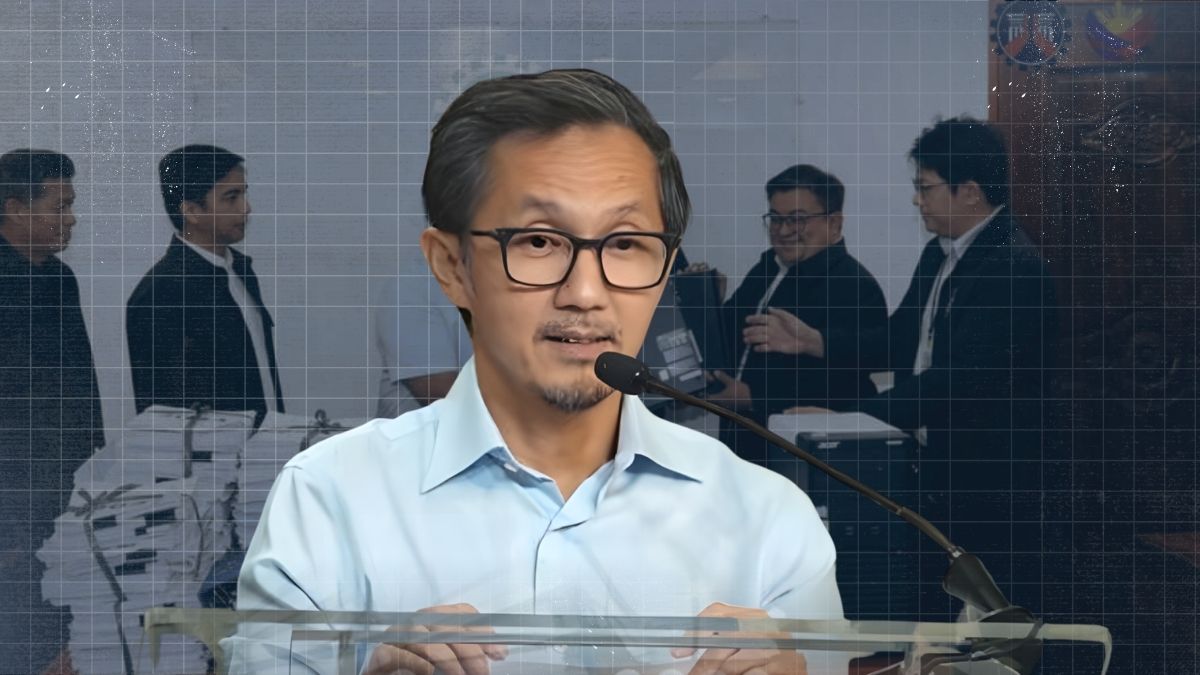
The Department of Public Works and Highways (DPWH) has formally submitted documents and digital files linked to former undersecretary Maria Catalina Cabral to the Office of the Ombudsman, signaling a major escalation in the investigation surrounding alleged irregularities in flood control and infrastructure projects.

According to DPWH officials, the materials turned over include computers, external storage devices, and files covering nearly a decade of Cabral’s tenure at the agency. The submission was made in compliance with a subpoena issued by the Ombudsman as part of its ongoing fact-finding and potential case buildup.
Digital trail now under review
DPWH said the turnover was intended to ensure transparency and cooperation with investigative bodies. The Ombudsman is expected to subject the devices to forensic examination to determine whether the records contain evidence relevant to alleged anomalous projects tied to flood control funding.
Authorities earlier noted that digital records—emails, project documents, and procurement files—could help establish timelines, decision-making patterns, and possible links between officials and contractors.
The submission follows earlier disclosures that Cabral had been involved in the planning and oversight of multiple flood control projects now under scrutiny for being “ghost” or substandard.
Ombudsman probe widens
Investigators have clarified that Cabral’s death does not automatically terminate civil or administrative accountability, particularly in cases involving unexplained wealth or asset recovery. The Ombudsman, together with other agencies, is looking into whether forfeiture proceedings may be pursued should evidence warrant it.
Officials stressed that the probe is not limited to one individual and may extend to project proponents, approving authorities, and private contractors who may have benefited from questionable projects.
Transparency vs accountability
The turnover of files has reignited public debate over accountability in large-scale infrastructure spending. While DPWH leadership has pledged cooperation, critics argue that document submission is only the first step—and that meaningful accountability will depend on whether findings lead to concrete legal action.
For many Filipinos, the case has become a test of whether anti-corruption institutions can follow the evidence wherever it leads, regardless of rank or political connection.
As the Ombudsman’s review proceeds, the spotlight remains on what the files will reveal—and whether the long-standing concerns surrounding flood control spending will finally result in answers, not just headlines.