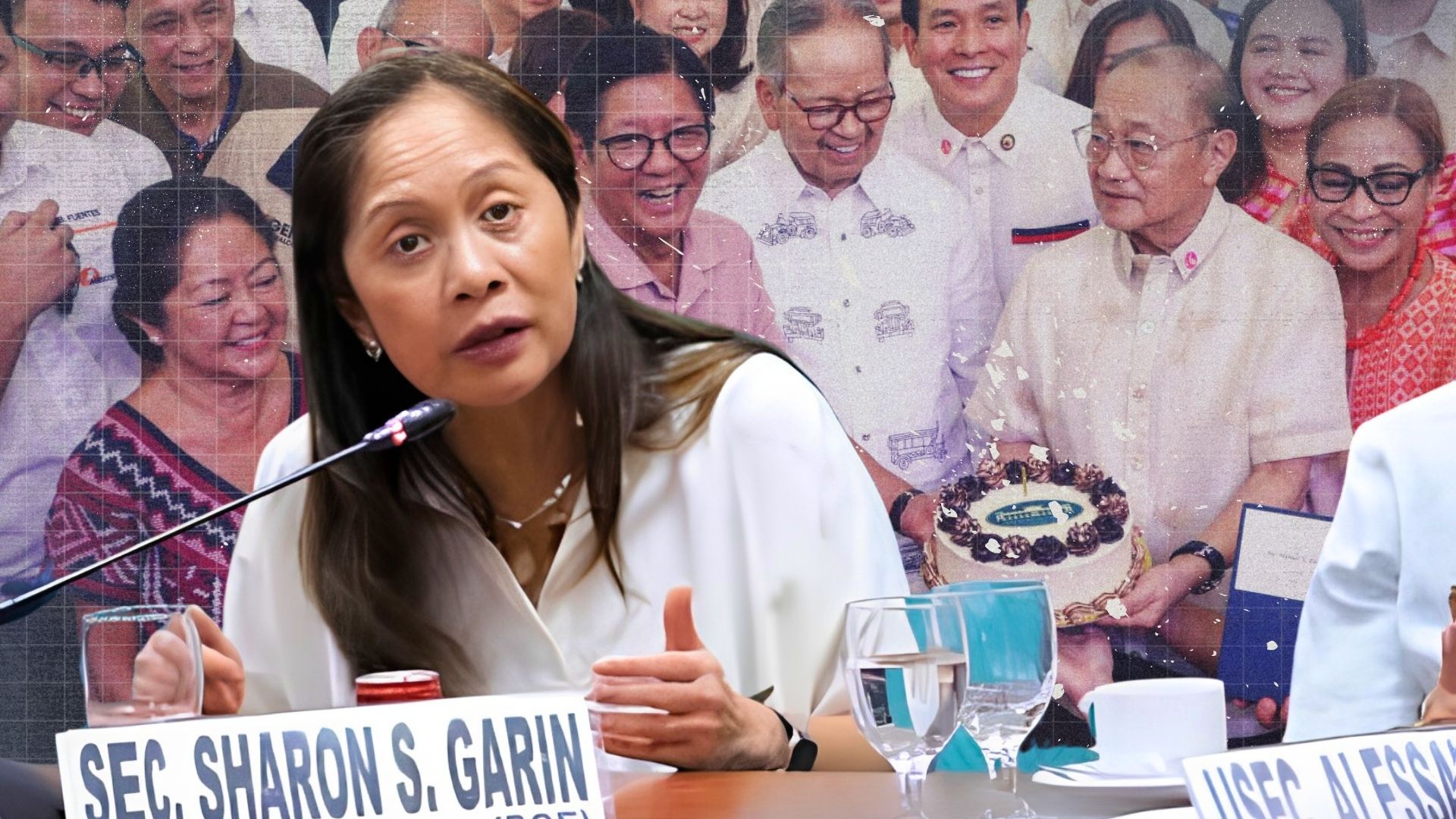
CUTTING SYSTEM LOSS CHARGE MAY TAKE UP TO ONE YEAR, DOE SAYS
Cutting System Loss Charge May Take Up to One Year, DOE Says
By Politikanta Minute | July 29, 2026
Filipino electricity consumers may have to wait as long as a year before the government can fully remove the system loss charge from power bills, according to Energy Secretary Sharon Garin.
The explanation is straightforward: before the charge can be eliminated, the government and electricity distributors must first address the underlying causes of system losses—including electricity pilferage and other losses occurring within the power distribution system.
The issue has become a major concern for consumers who continue to face high electricity costs and are looking for ways to reduce their monthly bills.
But according to the Department of Energy, simply removing the charge without fixing the losses behind it could create another problem.
Why Is There a System Loss Charge?
The system loss charge is connected to electricity that is lost as power moves through the electricity network before reaching consumers.
Some losses are technical.
These can occur naturally as electricity travels through transmission and distribution infrastructure.
But other losses can come from non-technical causes, including electricity pilferage or illegal connections.
The challenge is that these losses have financial consequences.
Electricity providers still have to account for the energy that enters the system but does not ultimately appear as electricity consumed and billed by legitimate customers.
That cost can become part of the charges reflected on electricity bills.
The DOE Says the Problem Must Be Fixed First
Garin's position is that the government cannot simply eliminate the system loss charge without addressing the causes of those losses.
That means tackling problems such as electricity theft and improving the efficiency of the distribution system.
The process involves coordination between government agencies and electricity distributors.
It also requires identifying where losses are occurring and determining how they can be reduced.
Only after those issues are addressed can the government realistically move toward eliminating the charge.
Why Could It Take a Year?
The proposed timeline highlights the complexity of the electricity system.
Reducing system losses is not simply a matter of changing one line item on a monthly electric bill.
It can require:
Identifying technical losses;
Addressing illegal electricity connections;
Improving distribution infrastructure;
Strengthening monitoring and enforcement;
Coordinating with power distributors;
Reducing inefficiencies throughout the electricity network.
These steps take time.
According to the DOE, the process could take up to one year.
For consumers, however, that timeline may still feel frustrating.
Electricity bills arrive every month.
And every additional charge matters to families already dealing with rising household expenses.
The Consumer's Perspective
For many Filipino households, the question is simple:
Why should consumers continue paying for losses they did not cause?
That is particularly sensitive when the losses are connected to electricity pilferage or illegal connections.
A household that pays its electricity bill on time may understandably question why it should bear costs associated with electricity that was stolen or improperly consumed elsewhere.
This is where the issue becomes more than an energy-policy discussion.
It becomes a question of fairness.
If the government wants to reduce electricity costs, then addressing system losses could be an important part of the solution.
But the government must also ensure that the burden does not simply shift from one part of the electricity system to another.
The Bigger Challenge: Accountability and Efficiency
The system loss debate ultimately raises a larger question:
Who should pay for inefficiencies in the power system?
Consumers?
Power distributors?
Government?
Or those responsible for illegal electricity consumption?
The answer requires careful policy decisions.
There is also a practical reality.
Even if the system loss charge is removed from consumers' bills, the underlying costs associated with electricity losses do not automatically disappear.
The government and distribution utilities must first reduce the losses themselves.
That means making the electricity system more efficient.
A One-Year Wait for Relief?
For consumers hoping for immediate relief, the DOE's timeline may be disappointing.
But the government's argument is that eliminating the charge without solving the underlying problem would not necessarily be a sustainable solution.
The goal should be to reduce the actual losses—not simply move the cost somewhere else.
If electricity pilferage is a major contributor, then stronger enforcement is necessary.
If infrastructure is responsible for technical losses, then investments in modernization may be required.
And if the system itself has inefficiencies, those must be identified and corrected.
The Politikanta Minute Take
The public understandably wants lower electricity bills.
And if a charge can be removed without compromising the stability of the power system, consumers will naturally welcome that relief.
But the bigger issue is what happens after the charge is removed.
The government should not simply eliminate a charge on paper while leaving the underlying losses untouched.
The real goal should be a power system where:
Less electricity is lost.
Less electricity is stolen.
Distribution becomes more efficient.
And ultimately, consumers pay only for what they legitimately consume.
If the DOE's one-year timeline is accurate, then the public should expect more than promises.
Consumers should be able to see a clear roadmap.
What specific losses are being targeted?
How much electricity is currently being lost?
How much is due to technical problems?
How much is caused by pilferage?
And what measurable progress will be made over the next 12 months?
Because if consumers are being asked to wait for relief, they deserve to know exactly what is being done during that waiting period.
The goal should not merely be to remove the system loss charge.
The goal should be to build an electricity system where the losses behind that charge are dramatically reduced in the first place.
That's where real relief begins.
✝️ BIBLE VERSE CONNECTION
Luke 16:10 (KJV)
“He that is faithful in that which is least is faithful also in much…”
Exegesis / Reflection
The debate over system losses is ultimately about stewardship.
Every system involving public resources requires accountability.
Electricity is not simply a commodity on a monthly bill. It is part of the infrastructure that allows families to work, businesses to operate, and communities to function.
When losses occur, the question becomes one of stewardship:
Who is responsible?
Who should bear the cost?
And what is being done to prevent the same problem from happening again?
The biblical principle of faithfulness reminds leaders and institutions that responsibility must be taken seriously—even when dealing with seemingly technical matters.
A system that consistently loses resources without addressing the cause is not operating at its full potential.
The answer is not merely to hide the loss.
The answer is to find it, understand it, and fix it.
For consumers, fairness means they should not be endlessly burdened by inefficiencies beyond their control.
For government and power distributors, accountability means demonstrating that every effort is being made to reduce those losses.
True stewardship is not just about managing what we have.
It is about making sure as little as possible is wasted.
DPWH Budget Entry Allegedly Links P100M Infrastructure Project to First Lady Liza Marcos
December 26, 2025•2 min read
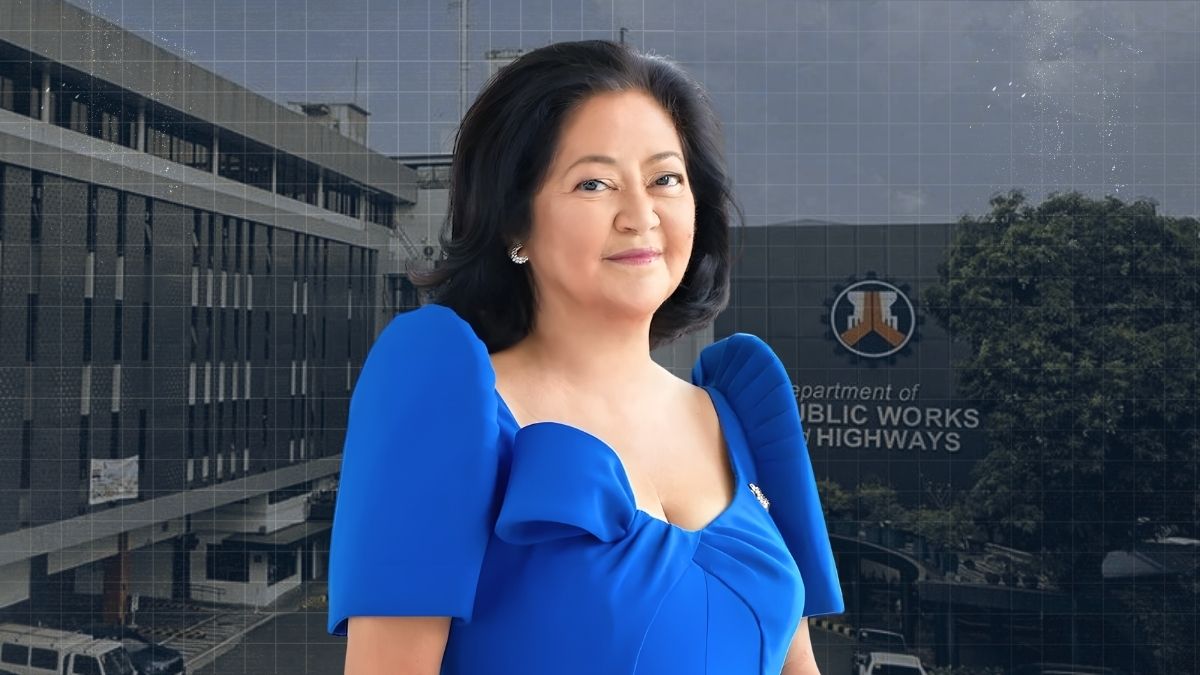
Documents circulating online and attributed to Bilyonaryo News Channel (BNC) have raised questions after a ₱100-million infrastructure project allegedly linked to Liza Araneta Marcos appeared in the Department of Public Works and Highways’ (DPWH) proposed 2025 National Expenditure Program (NEP).

According to the report, the project is listed under the DPWH “OP” (Office of the President) category, with a notation that reads: “Care of First Lady Liza Araneta Marcos with request letter from District Representative Faustino Inno Dy.” The project is reportedly located in Isabela province.
What the documents allegedly show
The documents cited by BNC suggest that the infrastructure item was included among proposed DPWH projects for the 2025 budget cycle. While the listing does not, by itself, establish wrongdoing, it has fueled public debate about transparency, influence, and the use of discretionary power in budget preparation.
As of publication, no official confirmation from the DPWH or the Office of the First Lady has been released publicly verifying or disputing the authenticity of the specific budget entry referenced in the report.
Why the issue matters
The controversy emerges amid heightened scrutiny of public infrastructure spending following multiple investigations into flood control and public works projects nationwide. Governance watchdogs and civil society groups have repeatedly called for clearer documentation, public access to project justifications, and stronger safeguards against perceived favoritism.
Budget experts note that inclusion of names or special endorsements in project descriptions—if proven accurate—can raise red flags even without criminal findings, as public funds are expected to follow standardized planning and approval processes.
Calls for clarity and verification

Analysts emphasize that the issue requires fact-based verification, including:
Confirmation of the project’s existence in the final NEP
Clarification of the meaning and authority behind the “care of” notation
Disclosure of approval channels and implementing offices
Until official statements or documentary verification are released, the matter remains alleged and subject to review.
Public trust and transparency
The discussion reflects a broader public concern: how infrastructure priorities are set, who influences them, and whether decision-making remains insulated from personal or political considerations. Transparency, observers say, is essential not only to prevent abuse but to maintain confidence in public institutions.