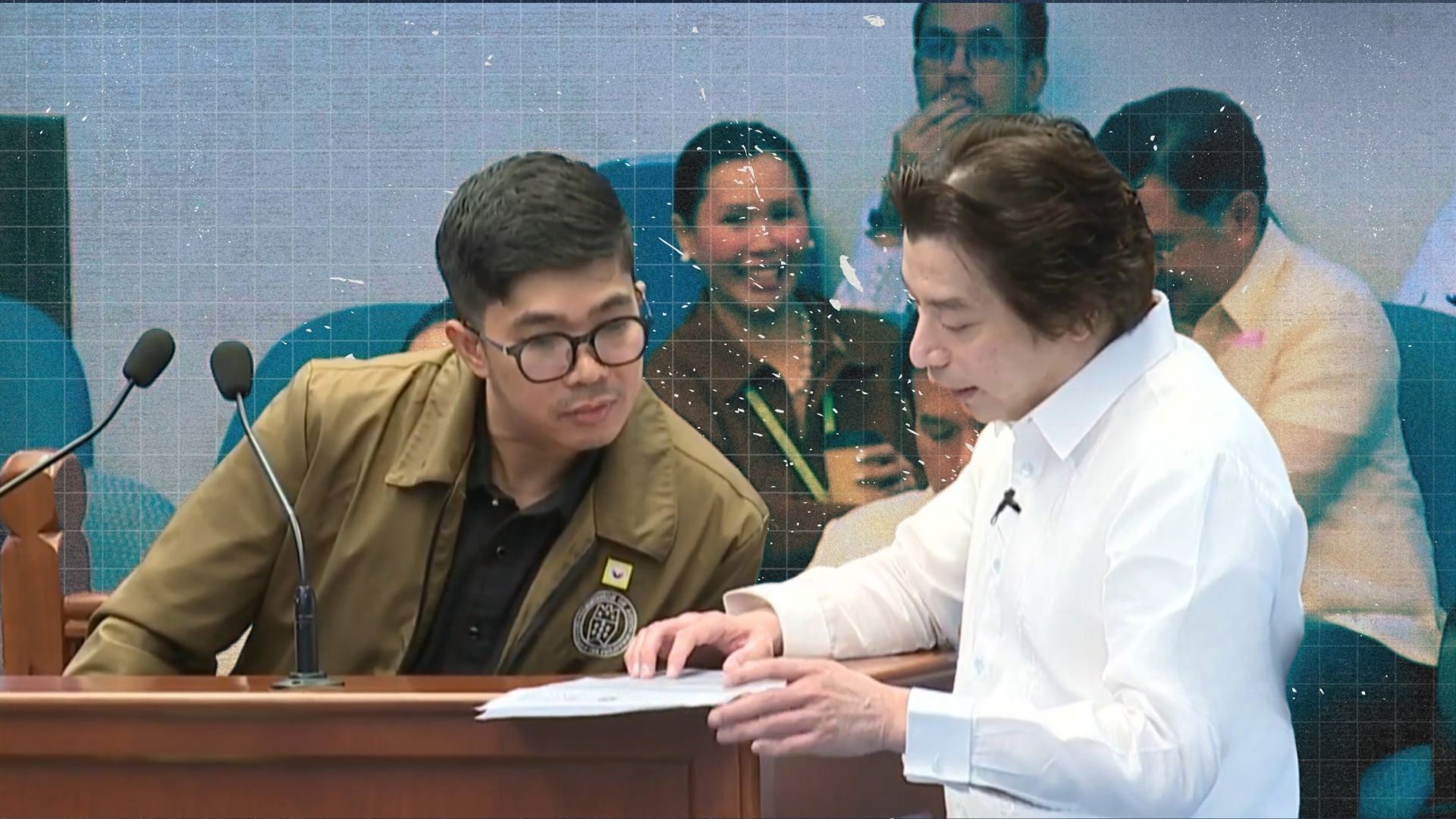
Defense Presents 2014 DBM Order to Support Claim That OVP Previously Received Confidential Funds
Defense Presents 2014 DBM Document During Proceedings
Defense counsel Atty. Michael Poa presented what he identified as a Special Allotment Release Order (SARO) issued by the Department of Budget and Management (DBM) in December 2014 during proceedings involving confidential funds.
According to Poa, the document was offered to dispute testimony suggesting that only the Office of the Vice President under Vice President Sara Duterte had confidential funds beginning in 2014.
The document dates back to the period when Jejomar Binay served as Vice President.
Defense Challenges Earlier Testimony
During the proceedings, Poa referred to the DBM document while questioning testimony previously given by state auditor Roderick Wamil.
According to the defense, the 2014 allotment order indicates that confidential funds had also been provided to the Office of the Vice President during Binay's term.
The defense argued that the document should be considered when evaluating statements about the historical allocation of confidential funds.
Documentary Evidence Introduced
Unlike purely oral arguments, the defense relied on a documentary exhibit introduced during the hearing.
The Special Allotment Release Order is a budgetary document issued by the Department of Budget and Management authorizing the release of appropriated funds for specific government purposes.
The significance and interpretation of the document remain matters for the tribunal to evaluate alongside other evidence presented during the proceedings.
Proceedings Continue
The prosecution and defense continue to present witnesses, documents, and legal arguments concerning confidential funds.
As with other evidence introduced during the proceedings, the tribunal has not yet issued a final ruling regarding the merits of the competing claims.
Both sides continue to challenge each other's interpretation of the evidence.
Why This Story Matters
The presentation of documentary evidence can play a significant role in legal proceedings because official government records may be used to support or challenge witness testimony.
Whether the 2014 DBM document ultimately affects the tribunal's assessment will depend on the totality of the evidence presented during the hearings.
Key Takeaways
Defense lawyer Michael Poa presented a December 2014 DBM Special Allotment Release Order.
The defense argued the document showed the OVP had confidential funds during Jejomar Binay's tenure.
The exhibit was introduced to challenge testimony concerning the history of confidential fund allocations.
The proceedings remain ongoing, and no final ruling has been issued.
Frequently Asked Questions
What document did the defense present?
The defense presented a Department of Budget and Management Special Allotment Release Order dated December 2014.
Why is the document important?
According to the defense, it supports the argument that the Office of the Vice President had confidential funds before the tenure of Vice President Sara Duterte.
Does the document settle the issue?
No. The document forms part of the evidence presented during ongoing proceedings. Its significance will ultimately be determined by the tribunal after considering all evidence and arguments.
Editorial Note
This article reports on documentary evidence presented by the defense during ongoing legal proceedings. The defense's interpretation of the 2014 DBM document remains contested, and the tribunal has not issued a final determination regarding the issues discussed.
Impeachment Raps vs Sara Duterte Not Linked to Budget, Solon Says
January 08, 2026•1 min read
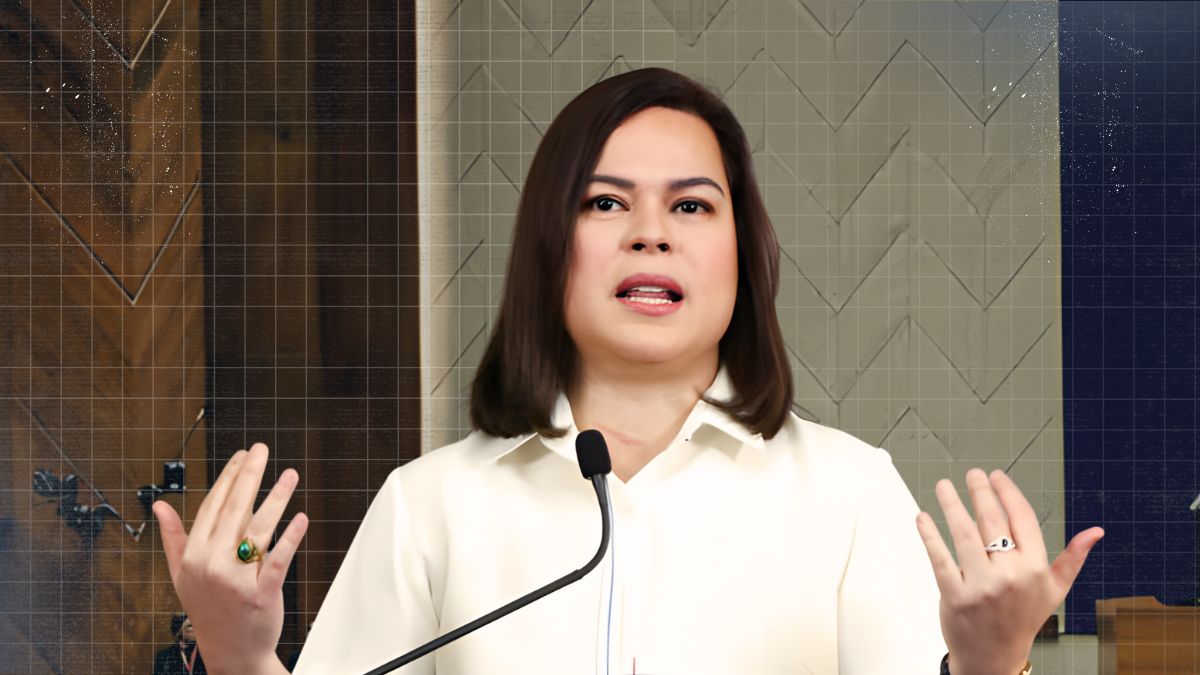
Lawmakers pushing for impeachment complaints against Vice President Sara Duterte clarified that any move to file such cases would not be related to the national budget, according to statements made during a press briefing at the House of Representatives.
House Assistant Majority Leader Ridon said that potential impeachment efforts would instead focus on accountability issues raised in previous complaints, particularly those involving the alleged use of confidential funds by the Office of the Vice President (OVP) and the Department of Education.

Ridon emphasized that budget deliberations are a separate legislative process and should not be used as leverage or incentive in impeachment proceedings. He added that lawmakers are free to file complaints once the constitutional one-year ban expires, regardless of ongoing budget discussions.
The clarification came amid claims from Duterte and her allies that the proposed 2026 national budget could be weaponized to justify a renewed impeachment push. According to Ridon, impeachment cases must stand on their own merits and be grounded in verified facts, not in promises, projects, or appropriations.
ACT Teachers party-list Representative Antonio Tinio echoed this position, saying that while budget politics remain a reality in Congress, impeachment proceedings are governed by constitutional standards and evidentiary requirements.
Both lawmakers noted that the Supreme Court’s pending decision on motions for reconsideration related to earlier impeachment cases remains a key factor in determining the next legal steps. Until such issues are resolved, any new complaint would still be subject to constitutional scrutiny.
Vice President Duterte was impeached by the House in early 2025, but the Supreme Court later ruled the Articles of Impeachment unconstitutional for violating the one-year rule. The House has since filed a motion for reconsideration, which remains unresolved.