DOTR Halts License Confiscation, Extends Deadline for Traffic Case Settlement
At first glance, the change appears simple.
But for millions of motorists, the implications are practical and immediate.
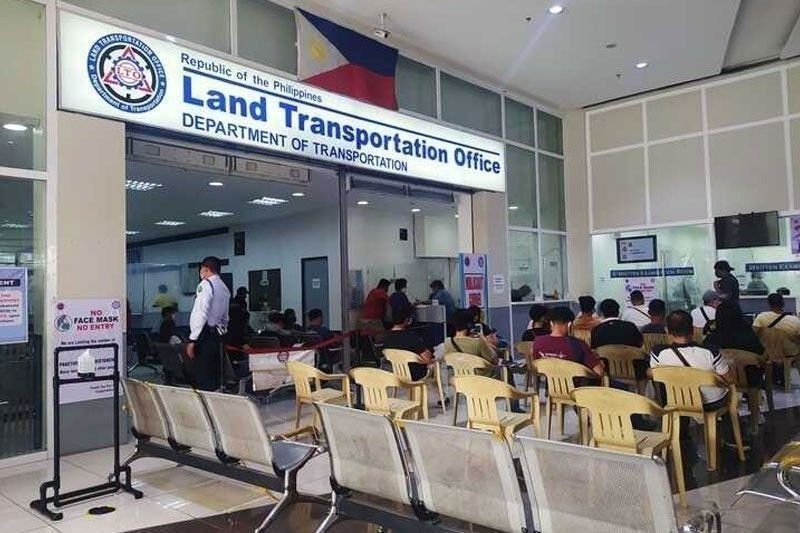
The Department of Transportation (DOTR) has ordered the suspension of driver’s license confiscation during apprehensions, while extending the deadline for settling traffic violation cases. The move follows concerns over due process, enforcement consistency, and the burden placed on motorists navigating the current system.
This article outlines what has been officially confirmed, how the policy will work, and what drivers need to know moving forward.

What Is Confirmed So Far
The Department of Transportation announced that, under a new memorandum order, the Land Transportation Office will no longer confiscate drivers’ licenses upon apprehension.
Instead:
Licenses will be placed “under alert”
Motorists are given 15 working days (not calendar days) to settle their cases
Failure to settle within the period may still lead to automatic suspension or revocation
The order takes effect immediately.

Why the Policy Was Adjusted
Transportation officials said the revised timeline is intended to give both motorists and government offices sufficient time to process and resolve cases properly. Shifting from calendar days to working days addresses complaints that the earlier rule unfairly penalized drivers who encountered weekends, holidays, or processing delays.
The policy also responds to longstanding public criticism that immediate confiscation often caused confusion, inconvenience, and inconsistent enforcement on the ground.
Broader Context
While enforcement rules are being adjusted, the DOTR emphasized that traffic discipline remains essential. The suspension of license confiscation does not mean violations are ignored; it recalibrates how penalties are administered.
Separately, the department reported progress in land acquisition for major rail projects, including the Metro Manila Subway and the North–South Commuter Railway, underscoring that enforcement reforms are being paired with long-term transport infrastructure goals.
Quiet Takeaway
What stands out is not leniency, but recalibration.
Effective governance often lies in refining systems that affect daily life — especially those enforced at street level. By adjusting timelines and procedures, authorities aim to balance accountability with fairness, without weakening the rule itself.
Further updates are expected as implementation is monitored.
