
DPWH Secretary Vince Dizon Responds to Calls for Accountability Over Davao Flooding
DPWH Secretary Addresses Davao Flooding Concerns
Department of Public Works and Highways (DPWH) Secretary Vince Dizon responded to calls for accountability over the flooding that recently affected Davao City.
His remarks came after Davao City 1st District Representative Paolo "Pulong" Duterte said that those responsible for the flooding should also be held accountable.
When asked about the congressman's statement, Dizon replied:
"Papunta na rin tayo doon."
The response suggests that questions of accountability may also be addressed as the government's response continues.
Immediate Focus: Helping Flood Victims
Despite acknowledging the issue of accountability, Dizon emphasized that the government's immediate priority is helping residents affected by the floods.
He said:
"Pero ang priority namin ngayon, i-address 'yung flooding sa mga kababayan natin doon, kasi grabe 'yung dinaanan nilang hirap doon and they deserve better than that."
The statement highlights the administration's focus on immediate flood mitigation and assistance before pursuing further investigations into possible causes and responsibilities.
Calls for Accountability Continue
Following the widespread flooding in Davao City, public officials and residents have raised questions regarding drainage systems, flood control infrastructure, and urban planning.
Some lawmakers have called for investigations into whether existing flood control projects were properly implemented and maintained.
Others have stressed the need for long-term infrastructure improvements to reduce the impact of future heavy rainfall.
Balancing Relief and Investigation
Government disaster response often involves two parallel objectives:
Providing immediate assistance to affected communities.
Reviewing infrastructure and identifying any failures or lapses that contributed to the damage.
Officials have indicated that while emergency response remains the top priority, questions regarding accountability may be examined after urgent needs have been addressed.
Final Thoughts
Secretary Vince Dizon's remarks reflect the government's effort to balance immediate disaster response with longer-term questions about responsibility and infrastructure.
As flood recovery continues in Davao City, many residents are hoping not only for immediate relief but also for lasting solutions that can better protect communities during future storms.
Bible Reflection
"Carry each other's burdens, and in this way you will fulfill the law of Christ." — Galatians 6:2 (NIV)
In times of disaster, responding to those in need is an urgent responsibility. As recovery moves forward, seeking truth, accountability, and lasting solutions can help build stronger and more resilient communities.
Authenticated or Not? When Transparency Meets Timing and Silence
December 27, 2025•3 min read
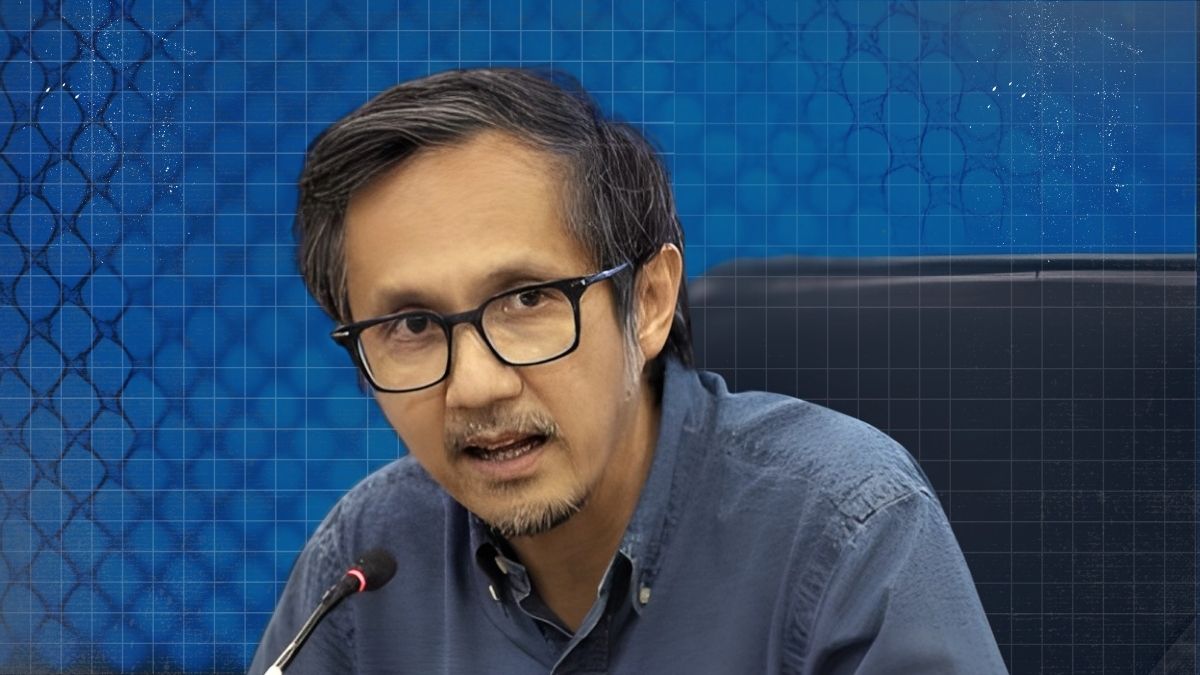
Public Works Secretary Vince Dizon clarified that he has not authenticated the so-called “Cabral files” allegedly in the possession of Batangas Rep. Leandro Leviste—a statement that further complicates an already sensitive national issue.

According to Dizon, no document can be treated as legitimate unless it has been formally examined, verified, and authenticated through proper government channels. He stressed that merely claiming possession of files—especially those linked to the late Maria Catalina Cabral—does not automatically establish credibility.
On paper, the explanation is clean.
In reality, it feels familiar.
🦅 Agila satire moment:
The eagle does not rush.
It circles. It pauses. It chooses its timing.
Dizon also confirmed that the documents are now with the Office of the Ombudsman, the body authorized to determine their authenticity and legal weight. In short: “Nasa Ombudsman na.”
Yet questions remain—not because of what was said, but how it was said.
The public hears restraint.
The public notices caution.
The public senses a careful distance from ownership of the issue.
There is an unspoken emotional layer many Filipinos instinctively read between the lines:
the tone of restraint, the appeal to process, the suggestion of being dragged into a controversy rather than driving it.
But governance is not theater—and emotions, however relatable, do not replace accountability.
At the end of the day, the real issue is not whether the files are authenticated today,
but whether the truth will still be pursued tomorrow, regardless of comfort, pressure, or inconvenience.
🦅 The eagle watches.
🇵🇭 The people remember.

DPWH Submits Cabral Files to Ombudsman as Probe Into Flood Control Anomalies Deepens
The Department of Public Works and Highways (DPWH) has formally submitted documents and digital files linked to former undersecretary Maria Catalina Cabral to the Office of the Ombudsman, signaling a major escalation in the investigation surrounding alleged irregularities in flood control and infrastructure projects.

According to DPWH officials, the materials turned over include computers, external storage devices, and files covering nearly a decade of Cabral’s tenure at the agency. The submission was made in compliance with a subpoena issued by the Ombudsman as part of its ongoing fact-finding and potential case buildup.
Digital trail now under review
DPWH said the turnover was intended to ensure transparency and cooperation with investigative bodies. The Ombudsman is expected to subject the devices to forensic examination to determine whether the records contain evidence relevant to alleged anomalous projects tied to flood control funding.
Authorities earlier noted that digital records—emails, project documents, and procurement files—could help establish timelines, decision-making patterns, and possible links between officials and contractors.
The submission follows earlier disclosures that Cabral had been involved in the planning and oversight of multiple flood control projects now under scrutiny for being “ghost” or substandard.
Ombudsman probe widens
Investigators have clarified that Cabral’s death does not automatically terminate civil or administrative accountability, particularly in cases involving unexplained wealth or asset recovery. The Ombudsman, together with other agencies, is looking into whether forfeiture proceedings may be pursued should evidence warrant it.
Officials stressed that the probe is not limited to one individual and may extend to project proponents, approving authorities, and private contractors who may have benefited from questionable projects.
Transparency vs accountability
The turnover of files has reignited public debate over accountability in large-scale infrastructure spending. While DPWH leadership has pledged cooperation, critics argue that document submission is only the first step—and that meaningful accountability will depend on whether findings lead to concrete legal action.
For many Filipinos, the case has become a test of whether anti-corruption institutions can follow the evidence wherever it leads, regardless of rank or political connection.
As the Ombudsman’s review proceeds, the spotlight remains on what the files will reveal—and whether the long-standing concerns surrounding flood control spending will finally result in answers, not just headlines.