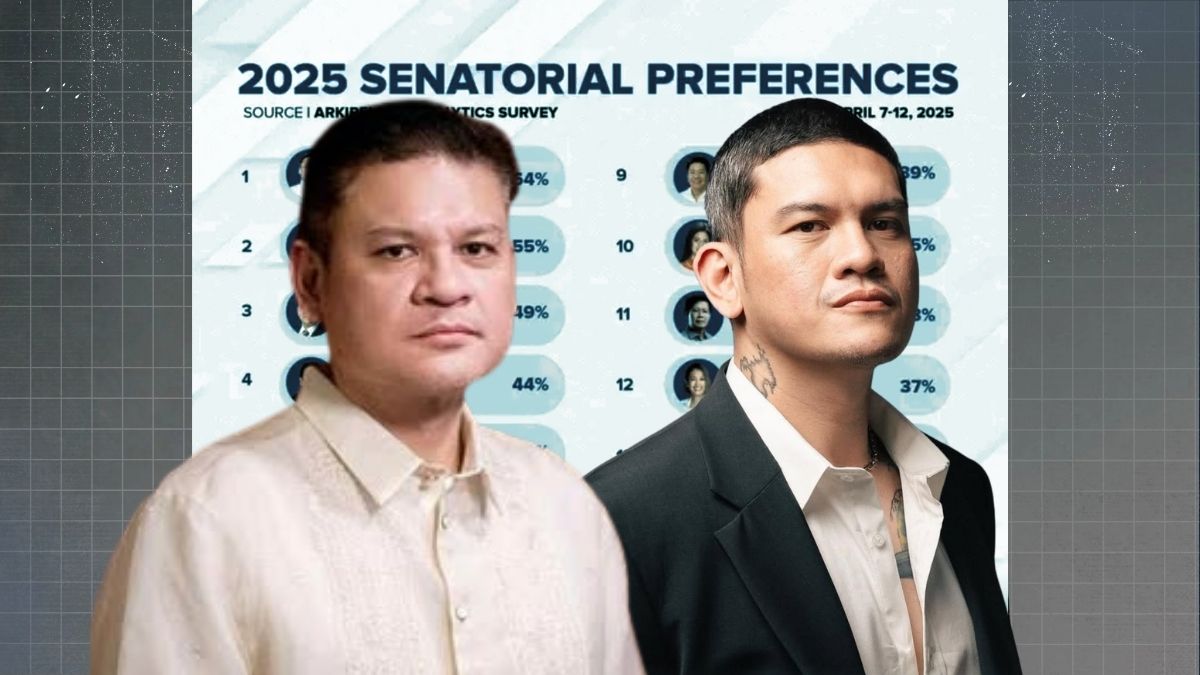
Duterte Brothers Lead Early 2028 Senatorial Survey — A Legacy That Continues
Early political surveys often serve as snapshots of public sentiment — and in the latest 2028 senatorial preference poll circulating online, two familiar names stand out: Paolo Duterte and Sebastian Duterte.
The Duterte brothers appear among the top-ranking potential senatorial candidates, reinforcing what many observers describe as the continued influence of the Duterte political brand years after former President Rodrigo Duterte left office.
While election season remains distant, early numbers often reveal deeper political realities: name recall, regional strength, and generational continuity.
A Political Brand That Endures
Rodrigo Duterte’s presidency reshaped national political discourse. His tough rhetoric, anti-crime stance, and emphasis on decisive governance left a lasting imprint on both supporters and critics.
For many voters, the Duterte name remains associated with firmness, direct communication, and strong executive leadership.
That brand recognition appears to extend to the next generation.
The early survey placements of Paolo and Sebastian Duterte suggest that the political capital built during the previous administration has not dissipated. Instead, it has evolved.
Generational Continuity
Political legacies in the Philippines often span generations. Family names can carry both expectations and loyalty.
Paolo Duterte has served in Congress representing Davao, maintaining visibility in legislative affairs. Sebastian Duterte, as Davao City mayor, has continued local governance in the Duterte stronghold.
Their presence in early national surveys indicates that public familiarity and regional foundations remain intact.
What Early Surveys Mean — and Don’t Mean
It is important to note that early senatorial surveys are not election results. They reflect current sentiment, not final outcomes.
However, they do measure:
Name recall
Baseline support
Regional strength
Political viability
Strong early placements can:
Attract potential allies
Shape coalition discussions
Influence strategic planning
In plurality elections like the Philippines’, early visibility can matter significantly.
The Duterte Base
Mindanao continues to be a core base for the Duterte political network. Historically, leaders with strong regional anchors can convert local loyalty into national traction.
But surveys also suggest broader familiarity beyond a single region — a sign that the Duterte name remains nationally recognized.
Supporters often frame this continuity as validation of past governance. Critics view it as political dynasty at work.
Regardless of interpretation, numbers indicate enduring presence.
Legacy and Identity
For many supporters, the Duterte legacy is tied not only to policy decisions but to identity — a sense of regional empowerment and assertive leadership on the global stage.
The phrase often repeated by loyalists captures that sentiment:
“The Duterte legacy lives on.”
Political brands built on strong narratives can outlast single terms in office.
Political Landscape Toward 2028
The 2028 elections are still years away, and political landscapes can shift dramatically. New alliances may form. Public issues may evolve.
However, early indicators matter in one key way: they reveal who starts with momentum.
The Duterte brothers’ presence among early leaders signals that they are part of that conversation.
Whether they formally declare national bids remains to be seen. But visibility is already established.
A Reminder on Democratic Choice
Ultimately, surveys measure sentiment — not destiny.
Elections are decided by voters at the ballot box.
But early signals often shape narratives, and narratives influence momentum.
As the country gradually approaches another electoral cycle, one thing appears clear: the Duterte political name remains firmly embedded in the national consciousness.
Closing Reflection
Politics moves in waves, but some currents remain steady.
The early 2028 senatorial survey suggests that the Duterte legacy continues to resonate with a significant segment of the electorate.
Whether that resonance strengthens or shifts will depend on leadership performance, public trust, and the issues that define the coming years.
For now, the numbers speak.