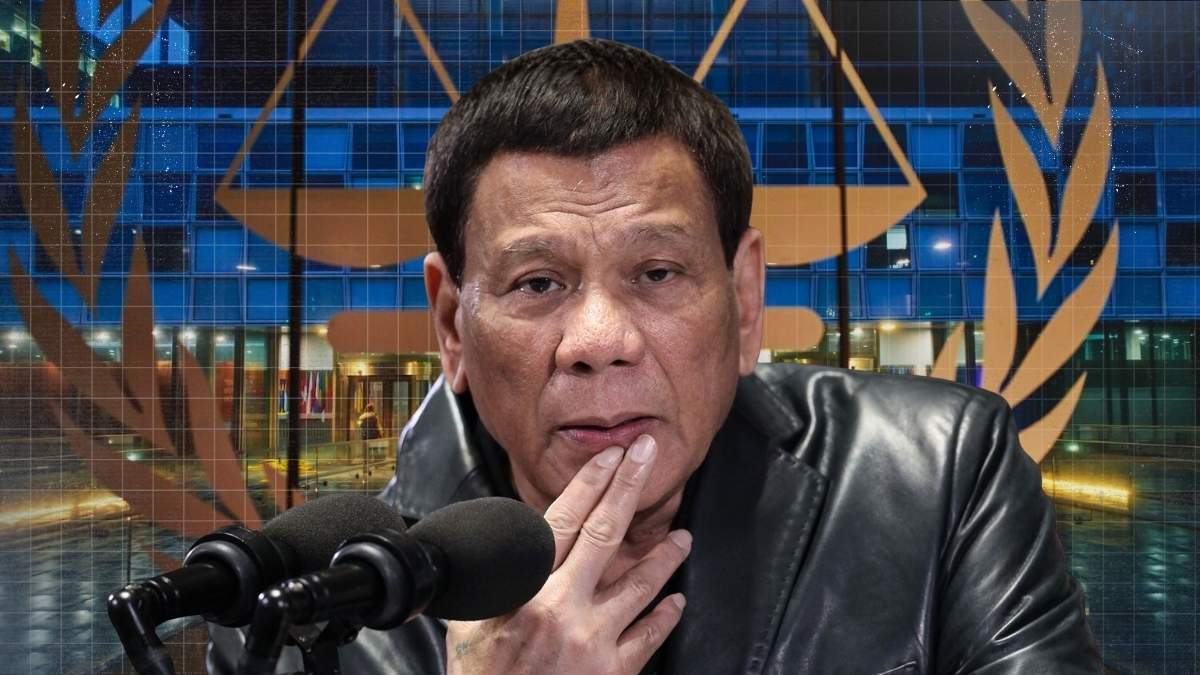
Duterte’s ICC Case: What Happens Next After the Confirmation of Charges Stage?
The legal proceedings involving former Philippine President Rodrigo Duterte before the International Criminal Court (ICC) are entering a critical phase. As procedural motions are resolved and additional evidence submissions are allowed, attention now turns to the next formal step: the confirmation of charges hearing.
But what exactly happens next?
Understanding the ICC process requires separating legal procedure from political debate. International criminal proceedings follow a structured path designed to ensure fairness, judicial independence, and due process.
1️⃣ The Confirmation of Charges Hearing
The immediate next stage is the confirmation of charges hearing before the ICC’s Pre-Trial Chamber.
This is not yet a full trial.
During this hearing:
The prosecution presents the charges and supporting evidence.
The defense challenges the sufficiency and credibility of that evidence.
Judges determine whether there are “substantial grounds to believe” the accused committed the alleged crimes.
The legal threshold at this stage is lower than that required for conviction. Judges are not deciding guilt or innocence yet. They are deciding whether the case should proceed to trial.
If the judges determine the evidence is insufficient, the charges may be declined or amended. If the threshold is met, the case advances to full trial.
2️⃣ Possible Outcomes of Confirmation
There are several possible outcomes after the confirmation stage:
✔ Charges Confirmed
The case proceeds to trial before a Trial Chamber.
✔ Charges Partially Confirmed
Some charges proceed, others are dismissed.
✔ Charges Declined
The case does not move forward unless new evidence is presented.
This stage is often decisive in shaping the structure of any future proceedings.
3️⃣ If the Case Proceeds to Trial
If the charges are confirmed, the case moves to the trial phase.
During trial:
The prosecution presents witnesses and documentary evidence.
The defense cross-examines witnesses and presents its own evidence.
Victims, if recognized, may participate through legal representatives.
Judges deliberate based on the evidence presented.
A conviction requires proof beyond reasonable doubt.
If acquitted, the accused is released. If convicted, sentencing proceedings follow.
4️⃣ Victim Participation and Additional Evidence
The ICC allows victim participation, which makes its structure unique compared to many domestic courts.
Recent developments indicate:
Additional evidence has been permitted.
Victim applications continue to be processed.
Victim participation does not replace the prosecution but allows recognized victims to express views and concerns through legal counsel.
Procedural motions — including requests related to evidence or lawyer eligibility — are handled within this framework.
5️⃣ Appeals and Interim Motions
Throughout ICC proceedings, either party may file motions or appeals on specific rulings.
These can involve:
Jurisdictional arguments
Admissibility questions
Evidence disputes
Fair trial concerns
Appeals are reviewed by the ICC Appeals Chamber if necessary.
The process can be lengthy because international criminal cases often involve complex factual records, multiple witnesses, and cross-border legal issues.
6️⃣ Detention and Conditions
If the accused is in ICC custody, detention conditions are governed by international standards. Detention continues while proceedings are ongoing unless otherwise ordered by the Court.
The ICC regularly reviews detention status to ensure compliance with its legal standards.
7️⃣ Timeline Expectations
International criminal cases do not move quickly.
Even after confirmation:
Trial preparation may take months.
Witness scheduling and disclosure processes are extensive.
Written submissions precede oral hearings.
It is not unusual for international proceedings to span several years.
8️⃣ Legal vs Political Narratives
It is important to distinguish between:
Court procedure
Public opinion
Political commentary
The ICC operates independently of national political cycles.
Judges focus solely on legal submissions, evidence standards, and procedural compliance.
As Scripture reminds:
“Do not judge by appearances, but judge with right judgment.” — John 7:24
In legal terms, right judgment means applying established rules carefully and without prejudice.
⚖️ What the Public Should Watch
In the coming weeks, key developments may include:
The final list of evidence submitted
Judicial rulings on pending motions
The formal confirmation hearing
A decision from the Pre-Trial Chamber
Each of these steps will determine the direction of the case.
🧩 Final Perspective
The next milestone in Duterte’s ICC case is procedural, not political.
The confirmation of charges stage will determine whether the case moves to full trial. Until then, arguments from both prosecution and defense remain under judicial review.
No verdict has been reached.
The process continues under international legal standards.
