Elon Musk Gives Israeli Prime Minister Benjamin Netanyahu a Tour of Tesla Factory
Elon Musk Gives Israeli Prime Minister Benjamin Netanyahu a Tour of Tesla Factory
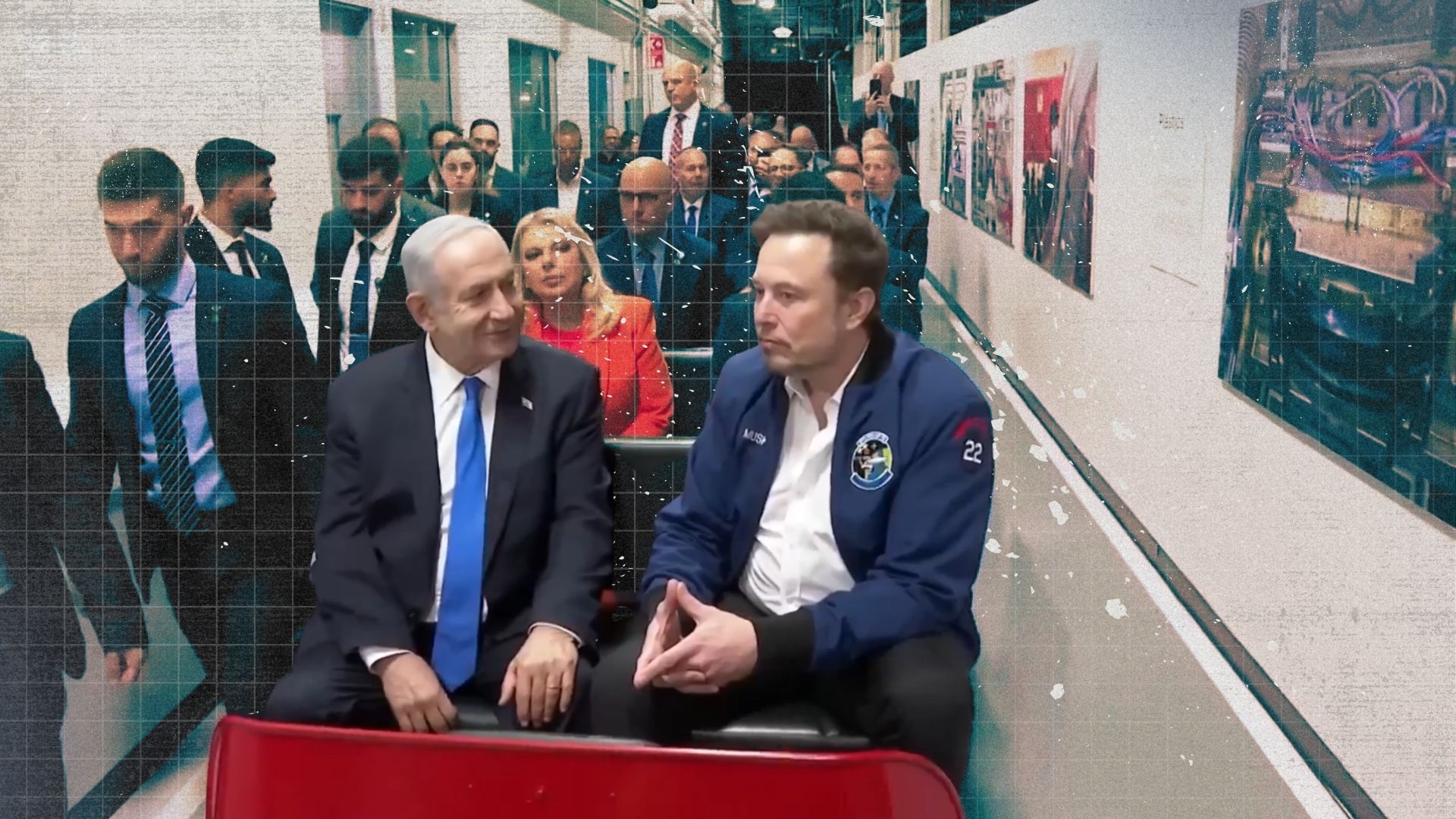
Tesla CEO Elon Musk welcomed Israeli Prime Minister Benjamin Netanyahu for a tour of one of the company's manufacturing facilities, with footage of the visit circulating widely on social media.
The visit showcased Tesla's advanced production processes and manufacturing technology, offering Netanyahu a closer look at one of the world's leading electric vehicle companies.
Videos shared online captured Musk personally guiding the Israeli leader through the factory, discussing various aspects of Tesla's operations and innovation.
The meeting highlights the continued interest of government leaders in emerging technologies, electric vehicles, artificial intelligence, and advanced manufacturing as countries seek to strengthen innovation and economic growth.
Musk, who leads several technology companies including Tesla, has frequently hosted business executives, investors, and political leaders interested in learning more about the company's production capabilities.
The factory tour also reflects Tesla's growing influence beyond the automotive industry, as the company continues to play a major role in the global transition toward electric mobility and sustainable energy.
The social media video quickly drew attention from supporters and critics alike, generating discussion about technology, diplomacy, and international business relationships.
Key Takeaways
Elon Musk personally toured a Tesla factory with Israeli Prime Minister Benjamin Netanyahu.
The visit highlighted Tesla's advanced manufacturing technology.
Videos of the tour spread widely across social media.
The meeting reflects growing global interest in electric vehicles and technological innovation.
Final Thoughts
Meetings between technology leaders and world officials often underscore the increasing role of innovation in shaping economic development and international cooperation. Tesla's manufacturing operations continue to attract attention from governments, investors, and industry leaders seeking insights into the future of transportation and advanced production.
📖 Bible Verse of the Day (KJV)
"Where no counsel is, the people fall: but in the multitude of counsellors there is safety."
— Proverbs 11:14 (KJV)
Reflection
Constructive dialogue and the exchange of ideas can foster innovation and informed decision-making. Whether in business, government, or everyday life, seeking wisdom through conversation and collaboration can lead to better outcomes.
Malaysia Moves Toward Legal Action Against X and xAI Over Grok Chatbot Use
January 14, 2026•1 min read
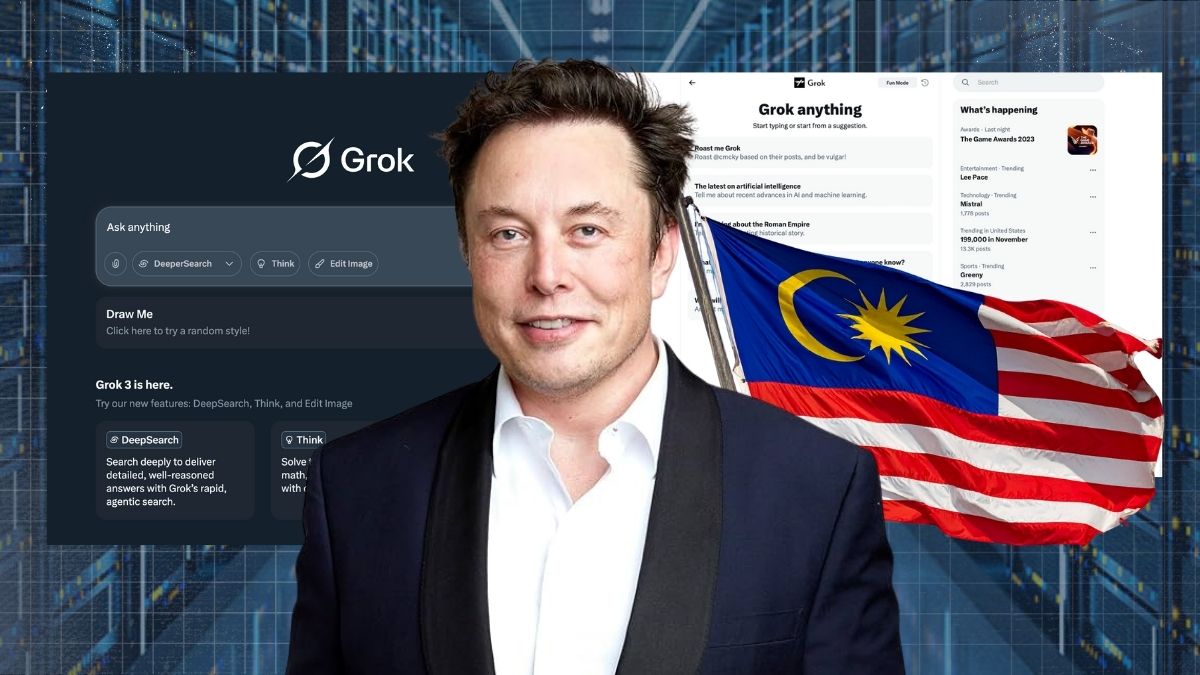
The government of Malaysia has announced plans to pursue legal action against X and xAI, companies owned by Elon Musk, following concerns over the alleged misuse of the Grok artificial intelligence chatbot.
Malaysian officials say the move is linked to content generated or circulated through Grok that may violate local laws governing misinformation, public order, and responsible digital use. While authorities have not publicly released specific examples, they stressed that the issue is being handled under existing legal and regulatory frameworks.
Grok, developed by xAI and integrated into the X platform, is positioned as an AI chatbot capable of responding to real-time topics using publicly available data. However, regulators and digital policy experts worldwide have increasingly raised concerns about how AI-generated content spreads on social platforms, especially in sensitive political or social contexts.
Malaysia’s announcement reflects a broader international shift. Governments are moving more aggressively to define accountability for technology companies as artificial intelligence becomes more deeply embedded in everyday communication. Officials emphasized that the action is not meant to suppress innovation, but to ensure compliance with national laws and safeguards.
Neither X nor xAI has issued a detailed public response to Malaysia’s statement. Analysts say the case could become a reference point for how Southeast Asian governments approach AI governance, particularly as countries balance technological growth with legal responsibility.
As AI tools continue to evolve faster than regulation, this dispute highlights a growing global question: how far innovation can go before the law steps in.