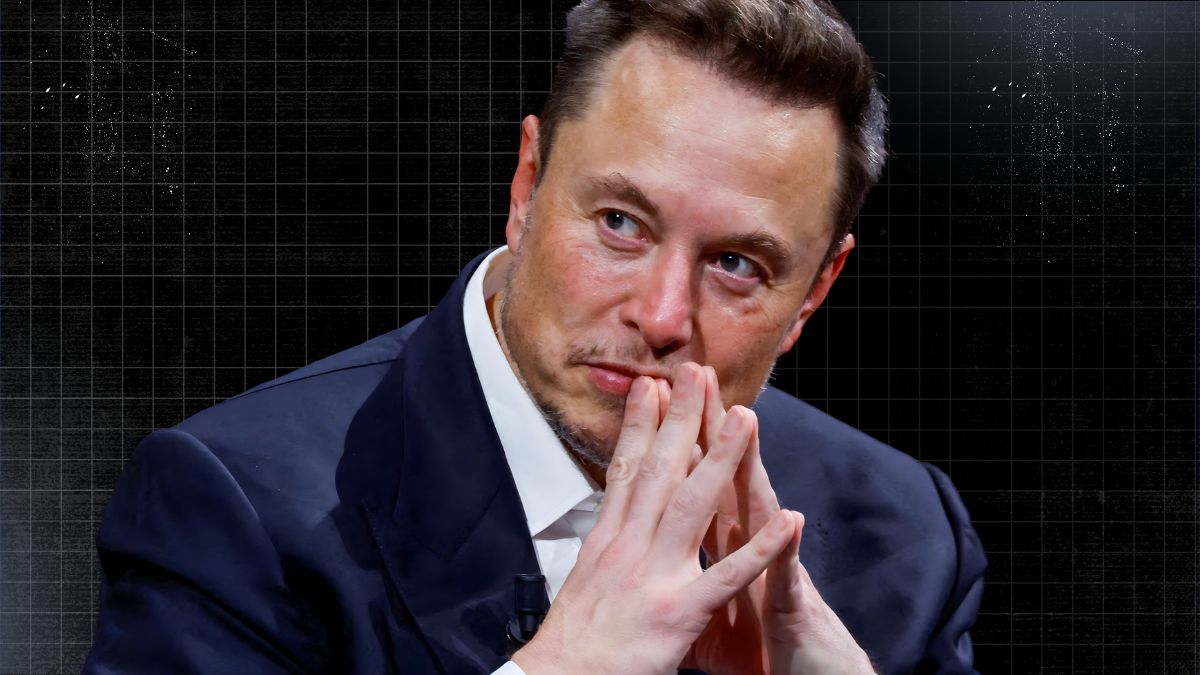
Elon Musk Signals Major Financial Support for Republicans Ahead of 2026 Midterm Elections
Billionaire entrepreneur Elon Musk has signaled that he plans to significantly increase his financial backing of Republican Party candidates ahead of the 2026 United States midterm elections, according to statements he shared on his social media platform, X.
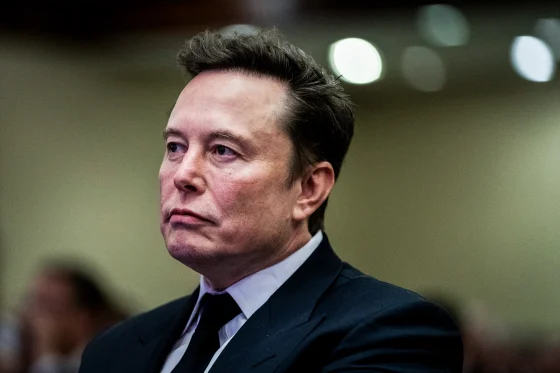
Musk addressed speculation about his political spending by confirming that he intends to support Republican campaigns, citing strong opposition to what he described as “radical left” policies. In a post responding to claims about his political donations, Musk wrote that the future of the United States is at stake if those policies prevail.
Recent campaign finance records show that Musk was among the largest donors in the 2024 election cycle, contributing hundreds of millions of dollars to Republican candidates and aligned political groups. While he has indicated that additional funding may follow in 2026, the specific amounts and recipients are expected to be disclosed once official campaign finance reports are released.
Political analysts note that Musk’s growing involvement in U.S. elections reflects a broader trend of high-profile business leaders playing increasingly visible roles in campaign financing. Supporters view such involvement as an expression of political engagement, while critics raise concerns about the influence of wealth on democratic processes.
As the 2026 midterms approach, Musk’s financial activity is expected to draw continued attention from both political parties, regulators, and the public, particularly given his influence across technology, media, and business sectors.
📌 Context:
Large-scale political donations are legal under U.S. campaign finance laws but remain a subject of ongoing public debate regarding transparency and influence.
📖 “Plans succeed with good counsel.” — Proverbs 20:18

BYD Overtakes Tesla as World’s Biggest Electric Car Seller
Chinese automaker BYD has officially overtaken Tesla as the world’s largest seller of electric vehicles, marking a major shift in the global EV market.

BYD reported a sharp rise in electric vehicle sales last year, driven by strong demand in China and expanding markets abroad. Analysts say the company’s success has been fueled by competitive pricing, a wide range of models, and tight control over its supply chain — including in-house battery production.
Tesla, long considered the global leader in electric vehicles, faced increased pressure from Chinese rivals as price competition intensified. Slower demand growth in some markets, along with heightened competition in China, also weighed on Tesla’s overall performance.


Industry experts note that BYD’s rise reflects a broader trend: Chinese manufacturers are no longer just competing on cost, but also on technology, design, and scale. BYD now offers a diverse lineup of electric sedans, SUVs, and hybrid vehicles that appeal to both domestic and international buyers.
Tesla CEO Elon Musk has previously acknowledged the growing challenge posed by Chinese EV makers, even as Tesla continues to invest in innovation, autonomous driving technology, and new manufacturing capacity.
As the global transition to electric mobility accelerates, competition between legacy leaders and fast-rising challengers is expected to intensify — reshaping the future of the automotive industry.