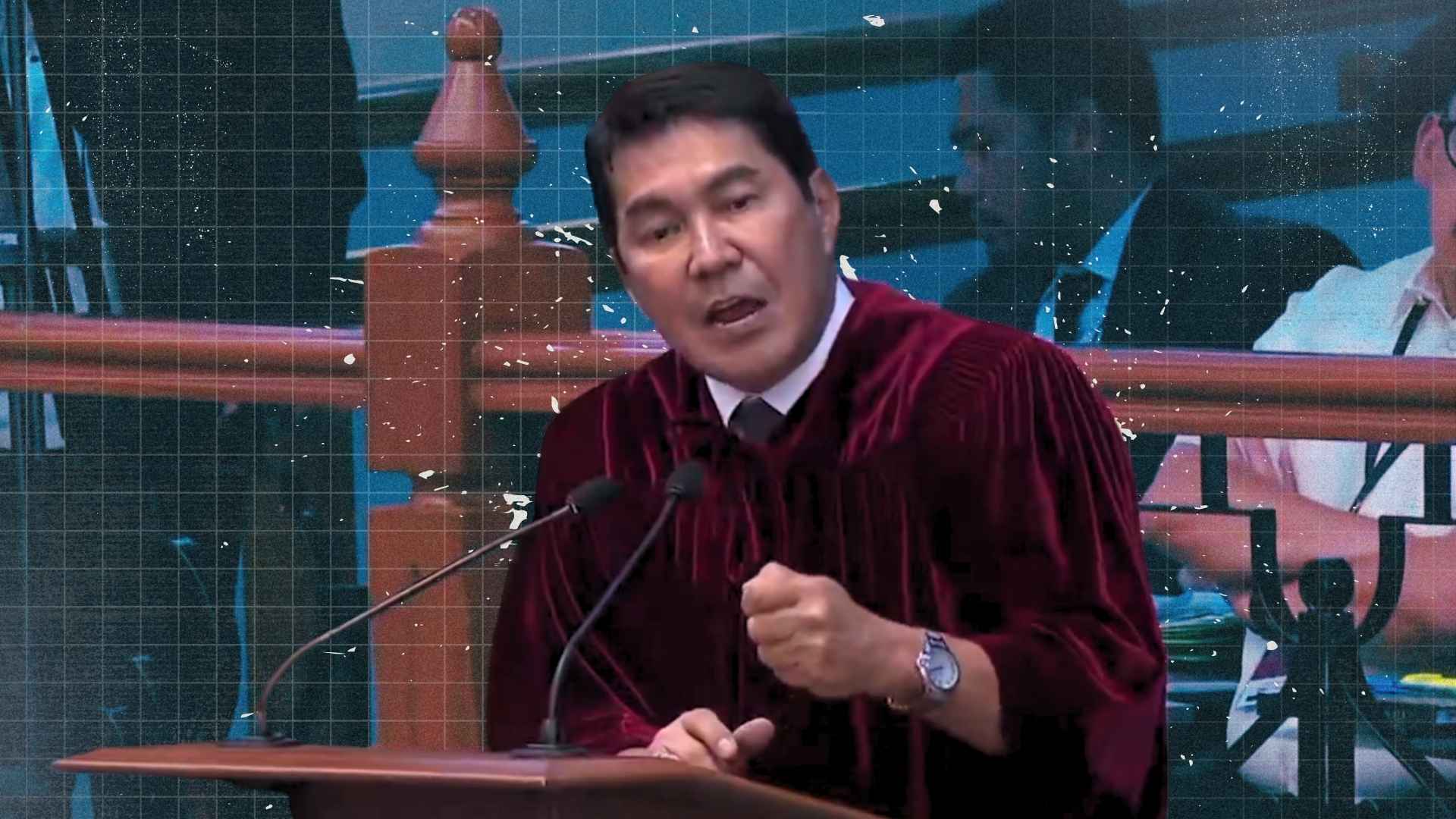
Erwin Tulfo Urges Senate to Keep Impeachment Trial Focused on VP Sara Duterte
Erwin Tulfo: 'This Court Was Created for the Vice President'
Senator-judge Erwin Tulfo called on his fellow senator-judges to keep the Senate Impeachment Court focused on the case against Vice President Sara Duterte, emphasizing that the proceedings should not be diverted to unrelated personal concerns or political issues.
During his manifestation, Tulfo reminded the chamber that the impeachment court exists for one constitutional purpose—to hear the case involving the Vice President.
"This Should Be Her Forum"
Tulfo stressed that the limited time allotted for the impeachment proceedings should be devoted to hearing the evidence, arguments, and defense of Vice President Duterte.
He said:
"This court was established... for the Vice President and Vice President only. This should be her time. This should be her forum—not our forum."
According to Tulfo, senator-judges should avoid using the proceedings to defend themselves against separate allegations or investigations involving their own names.
Not the Venue for Personal Matters
The senator also pointed out that if members of the Senate face investigations or wish to respond to accusations against them, there are more appropriate venues for those discussions.
He argued that impeachment proceedings should not become a platform for explaining personal legal issues or commenting on unrelated investigations.
Likewise, Tulfo said matters concerning absent or detained senators should be addressed during regular Senate sessions rather than in the impeachment court.
A Call to Follow the Rules
Tulfo appealed to the Presiding Officer and Senate President to enforce the procedural rules governing the impeachment trial.
According to him, only discussions directly connected to the impeachment case, the prosecution, or the defense should be entertained.
He warned that allowing unrelated manifestations could consume valuable hearing time and distract from the constitutional duty before the court.
Keeping the Proceedings Focused
The manifestation reflects a recurring concern among several senator-judges about maintaining discipline and order during the trial.
While impeachment proceedings naturally involve procedural debates, many senators have also emphasized the need to avoid unnecessary detours that could prolong the hearings or shift attention away from the issues contained in the Articles of Impeachment.
Ultimately, the Senate Impeachment Court is tasked with determining whether the evidence presented supports the constitutional grounds alleged against the Vice President.
Conclusion
Senator Erwin Tulfo's remarks focused not on the merits of the impeachment complaint itself but on preserving the purpose of the proceedings.
For Tulfo, the impeachment court should remain dedicated to evaluating the allegations against Vice President Sara Duterte, rather than becoming a venue for personal explanations or unrelated political matters.
Bible Reflection (Exegesis)
"Let all things be done decently and in order." — 1 Corinthians 14:40
Although originally written about order in the church, this principle has broader application wherever people gather to make important decisions. Orderly proceedings help ensure that discussions remain focused, fair, and respectful of their intended purpose. In public institutions, following established rules promotes clarity, accountability, and confidence in the process.
Lacson: More Evidence to Be Gathered vs Romualdez, Not Yet for Preliminary Probe
February 12, 2026•3 min read
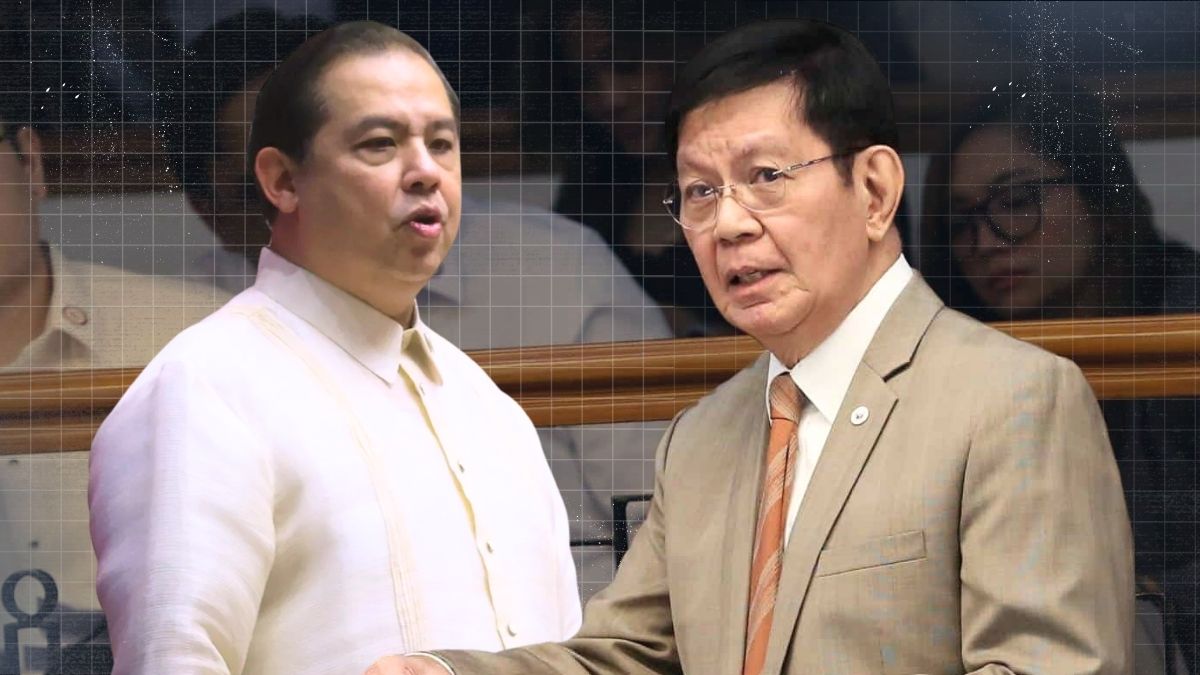
Not Cleared, Not Charged: Blue Ribbon Recommends Continued Evidence Gathering
Senate President Pro Tempore Ping Lacson, chair of the Senate Blue Ribbon Committee, said the revised partial report on the flood control controversy will recommend the continued gathering of evidence in relation to alleged links of former House Speaker and Leyte Representative Martin Romualdez.
At the same time, Lacson clarified a crucial point: Romualdez will not be included in the list of personalities to be recommended for preliminary investigation in the partial report, citing insufficient evidence at this stage.
The distinction is critical.
What the Committee Is Actually Saying
According to Lacson, the committee’s revised draft reflects two parallel positions:
There is not enough evidence to formally recommend Romualdez for preliminary investigation at this time.
The committee sees basis to continue gathering evidence related to his alleged connection to the controversy.
This means:
No formal recommendation for prosecution (for now).
No formal exoneration either.
It is a procedural middle ground—cautious but not dismissive.
Why This Distinction Matters
In Senate investigations, a recommendation for preliminary investigation signals that evidence has reached a threshold suggesting probable liability.
Choosing not to include a name in that list communicates one thing clearly: the threshold has not yet been met.
However, recommending continued evidence gathering signals something else: the inquiry is not closed.
In short, the committee is saying:
👉 Not enough evidence—yet.
👉 But not enough clarity to drop the line of inquiry.
Context: The Flood Control Controversy
The Blue Ribbon Committee has been probing alleged irregularities in flood control allocations, including:
so-called “ghost projects,”
questionable district allocations,
discrepancies in documentation.
Given the scale of flood control budgets and the life-and-death consequences of infrastructure failures, the investigation carries high political weight.
Any mention of a former House Speaker naturally raises the stakes, especially considering institutional dynamics between the Senate and the House of Representatives.
Lacson’s Institutional Framing
Lacson has consistently emphasized that:
The report remains partial and subject to revision.
Findings must be anchored strictly on evidence.
Recommendations cannot outrun documentation.
By clarifying that Romualdez is not included in the list for preliminary investigation, Lacson appears to be guarding against accusations of premature tagging or politicization.
At the same time, by keeping the evidence-gathering recommendation alive, he preserves the committee’s oversight authority.
Public Interpretation vs. Legislative Procedure
Public reactions often fall into binary camps:
“He’s cleared.”
“He’s implicated.”
The Senate’s position sits in between.
Legislative investigations are not criminal courts. They:
collect facts,
recommend actions,
and influence accountability pathways.
They do not convict.
The nuance in this case reflects a deliberate effort to avoid overstating conclusions while maintaining investigative scope.
What Happens Next
If new evidence surfaces—through documents, testimonies, or inter-agency coordination—the committee may:
update its report,
amend recommendations,
or escalate findings.
If no further substantiation appears, the matter may naturally narrow over time.
Either way, the process remains evidence-driven.
The Broader Accountability Question
The flood control issue has become symbolic of governance scrutiny. Public trust hinges not only on exposing wrongdoing—but also on avoiding overreach.
By declining to recommend preliminary investigation without sufficient evidence, the committee reinforces a principle: accountability must be proportionate to proof.
At the same time, continuing evidence gathering signals vigilance.
Quiet takeaway: In oversight, caution and persistence can coexist.
Politikanta Minute jab (clean):
Hindi sapat ang hinala—pero hindi rin tapos ang tanong.
Bible verse anchor:
Proverbs 18:17 — “The first to present his case seems right, till another comes forward and questions him.”