Fans Claim Bad Bunny Was ‘Rushed Off Stage’ at Super Bowl LX After Trump Blow — What Really Happened
When Bad Bunny took the stage for the Super Bowl LX halftime show — officially the Apple Music Super Bowl LX Halftime Show — on February 8, 2026 at Levi’s Stadium in Santa Clara, California, he made history. As the first solo Latino artist to headline the halftime spectacle, and as someone who chose to perform primarily in Spanish, Bad Bunny’s appearance was already guaranteed to be culturally resonant and widely discussed.
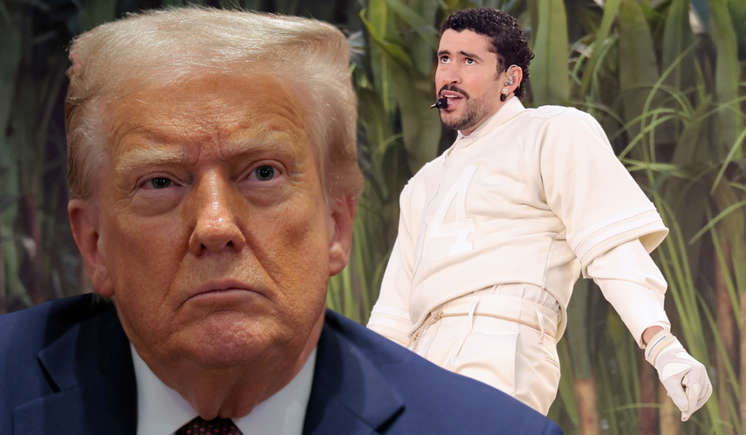
But in the hours and days that followed, conversation around his performance took an unexpected turn — not just about the show’s artistic impact, but about what happened right after it ended, and why some fans believed he was “rushed off stage” following criticism from former U.S. President Donald Trump. What fueled this speculation? Was there substance behind the rumors? And how did political backlash intersect with one of music’s biggest live entertainment moments?
The Halftime Show That Broke Barriers — and Expectations
Bad Bunny’s Super Bowl halftime set was unlike any before it. He delivered a 12-song performance rooted in reggaeton, Latin trap, and cultural symbolism, celebrating his Puerto Rican heritage and the broader Latin music landscape. Surprise guests like Lady Gaga and Ricky Martin added depth to the show, while the set design paid homage to iconic aspects of his album Debí Tirar Más Fotos and Latino cultural imagery.
The show was a bold artistic statement — proudly performed in Spanish and featuring a fusion of styles far from the typical pop-centric halftime performance. And while many fans and critics applauded the cultural representation and showmanship, other voices were notably critical.
Trump’s Public Backlash and Political Sparks
Even before the halftime show, Bad Bunny’s selection was controversial among some American political figures. Former President Donald Trump had openly criticized the NFL for choosing Bad Bunny, calling the announcement “absolutely ridiculous” and openly questioning whether the artist’s style and cultural background were suitable for the event.
After the live broadcast, Trump didn’t let up. Posting on social media not long after the performance concluded, he harshly described the show as “absolutely terrible” and “one of the worst ever,” asserting that it did not represent America and lambasting the Spanish-language focus and the artistic direction overall.
These comments — coming from one of the most polarizing political figures of the past decade — quickly spread across national media and social platforms, fueling intense debate over the halftime show’s cultural significance versus its perceived political implications.
Where the “Rushed Off Stage” Rumors Came From
It was in the aftermath of Trump’s criticism that some fans began circulating claims that Bad Bunny was “rushed off stage” once his performance was finished. Social media users pointed to the rapid pacing of the post-show broadcast, the quick cut from camera shots of Bad Bunny’s set to post-halftime coverage, and a noticeable lack of lingering on his reactions in the crowd. These observations, combined with the timing of Trump’s post, led some to speculate that outside pressure — political or otherwise — had influenced how the network handled the live broadcast and how soon the cameras moved on.
Another layer to the speculation was Bad Bunny’s unexpected withdrawal from social media shortly after the show. In the hours following, he deleted all posts from his Instagram account, unfollowed every profile, and removed his profile picture — leaving only his name and a single link redirecting followers to music and tour content. This rare and drastic move left millions of fans stunned and eager for answers.
Some interpreted this as a sign of distress or reaction to backlash. Others viewed it as an intentional reset — a tactic some artists use strategically before new announcements or tours. Regardless of intent, the public had no official confirmation about the motivations, which only added to the rumor mill.
What the Evidence Really Suggests
Critics and casual observers alike were quick to imply that Bad Bunny’s exit from the spotlight was somehow orchestrated or expedited due to political pressure. But there’s no verified evidence that he was literally pulled off stage early or that the halftime broadcast was manipulated in response to external criticism.
Super Bowl halftime shows are tightly choreographed productions with strict timing requirements to synchronize with game broadcast schedules, stadium operations, and commercial commitments. The pacing of any live performance — including how soon the cameras cut to post-halftime commentary — is almost always predetermined to fit this structure.
Similarly, artists deleting or resetting social media accounts is not unheard of in the music world. From Beyoncé to Rihanna to Drake, many performers strategically clear their pages to build anticipation for new eras, albums, or tours. Without direct statements from Bad Bunny or his team, attributing his social media move to political fallout remains speculation.
The Broader Cultural Significance
Whether one loved or disliked Bad Bunny’s halftime show, what’s clear is that the moment mattered. His presence at Super Bowl LX marked a milestone for Latin music and representation. It also exposed deep cultural divides — with fervent support on one side and outspoken political backlash on the other.
Rather than being about a single artist “being rushed off stage,” the narrative ultimately reflects how pop culture, politics, identity, and entertainment intersect in a hypervisible digital age. Bad Bunny’s performance prompted conversation about language, representation, and what it means to celebrate diversity on one of the world’s biggest televised platforms.
In the end, fans are free to interpret post-show events however they wish — but the performance itself remains a powerful cultural milestone that continues to resonate long after the final drum beat faded.