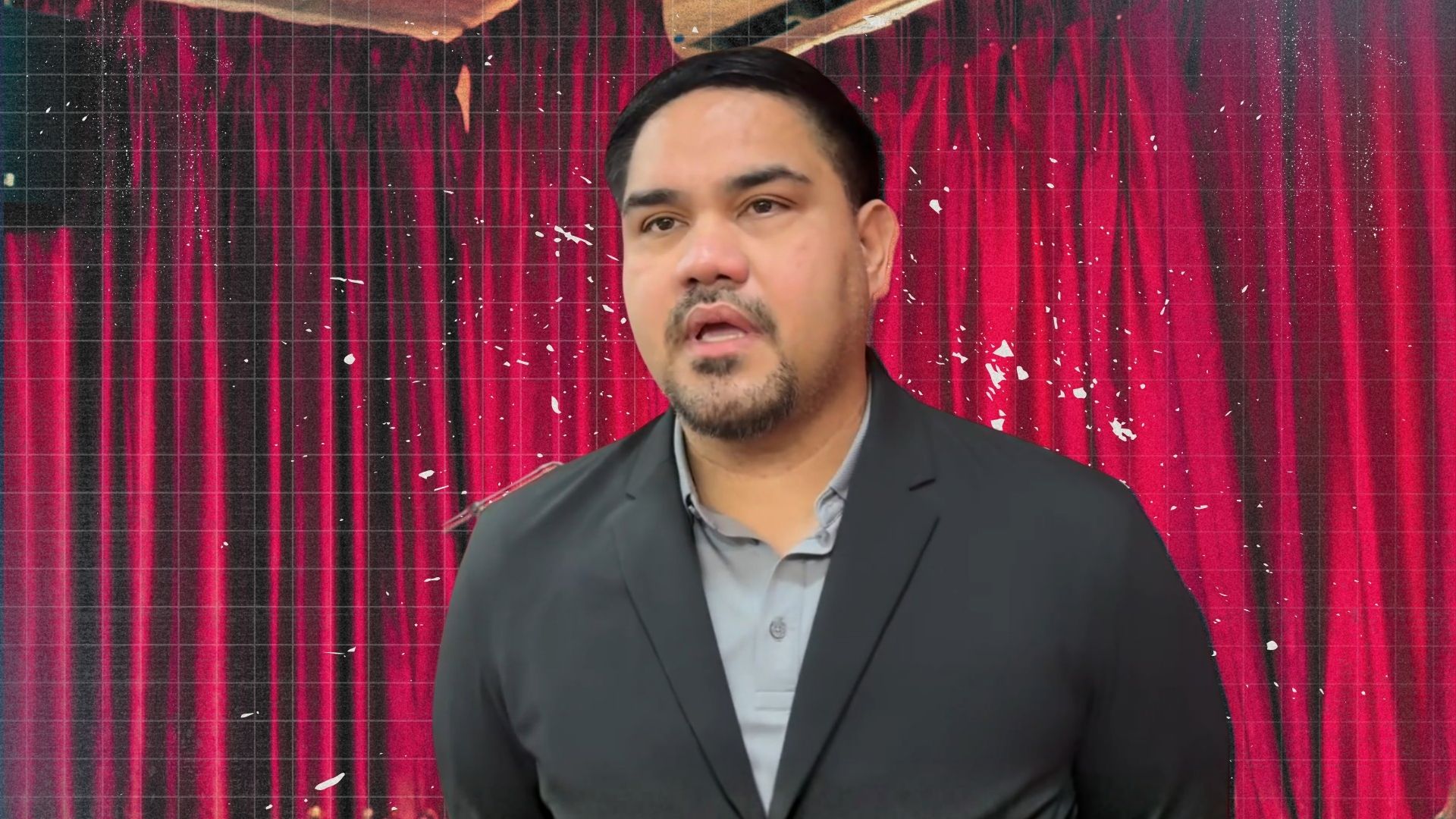
Flood Control Funding Likely to Return, Ortega Says Projects Face Stricter Approval
Flood Control Funding Likely to Return in 2027 Budget, But Projects Face Stricter Vetting
MANILA — Flood control and mitigation projects are likely to receive funding under next year's proposed national budget, but House Deputy Speaker and La Union 1st District Representative Paolo Ortega said proposed projects will face more rigorous approval, vetting and documentation requirements.
Ortega emphasized that future flood-control projects should be based on science, accurate planning and modern technology, rather than simply identifying areas for construction without sufficient technical basis.
“Mas maganda po na pulido yung plano, science-based, saka... definitely kailangan attune sa times.”
He pointed to the availability of modern tools that can help government agencies identify flood-prone areas and determine where infrastructure is actually needed.
AI, Drones and Satellites Could Help Identify Flood Risks
Ortega said government agencies now have access to technologies that were not as widely available in previous decades.
Among the tools he mentioned were:
Artificial intelligence
Drones
Satellite technology
Advanced mapping and data analysis
These technologies could potentially help authorities identify vulnerable areas more accurately, analyze terrain and water flow, and determine the most appropriate locations for flood-control infrastructure.
“Maswerte nga po tayo may mga tools tayo like yung mga AI, mga drone, satellite na tools para po maayos po yung mga ganitong problema at ma-identify po ng tama yung lugar na paglalagyan.”
The approach could represent a shift toward more data-driven infrastructure planning.
More Approval, More Vetting, More Documentation
Ortega stressed that flood-control proposals will not simply be inserted into the budget without undergoing scrutiny.
He said projects will have to pass through multiple stages of review.
“Marami pong dadaanan na approval, marami pong dadaanan na vetting, marami pong dadaanan na documentation.”
That means proposed projects could face greater scrutiny before taxpayers' money is allocated.
The process is particularly significant given the controversy surrounding flood-control spending and allegations of irregularities involving some infrastructure projects.
Flood Control Isn't Going Away
Despite the controversy, Ortega's position makes one thing clear:
Flood control remains necessary.
The Philippines continues to face serious flooding during periods of heavy rainfall, typhoons and other extreme weather events.
Removing flood-control funding altogether would therefore not necessarily solve the problem.
Instead, lawmakers appear to be considering how to make sure that the projects receiving funding are properly planned, technically justified and adequately documented.
From “Where Do We Want a Project?” to “Where Is It Actually Needed?”
One of the most important ideas in Ortega's statement is the emphasis on identifying the correct location for flood-control infrastructure.
Flood-control projects are not necessarily effective simply because they are built in a flood-prone area.
Engineers need to understand:
where water comes from;
where it naturally flows;
the capacity of existing drainage systems;
the elevation and terrain;
rainfall patterns;
surrounding development; and
the likely impact of proposed structures.
Modern satellite imagery, drones, geographic information systems and AI-assisted analysis can potentially provide additional information for these decisions.
Science-Based Planning Could Change the Game
If implemented properly, the use of modern technology could make flood-control planning more precise.
Instead of relying primarily on historical assumptions or outdated maps, agencies could combine real-time and historical data to identify areas most vulnerable to flooding.
That could help government prioritize projects based on actual risk rather than political convenience.
But technology alone won't solve the problem.
The data still has to be interpreted correctly, projects must be designed properly, contractors must follow specifications, and agencies must inspect completed work.
The Real Test: Execution
Ortega's call for stricter vetting addresses one part of the flood-control controversy.
But approval is only the beginning.
A project can have an excellent scientific design and still fail because of poor construction, inadequate maintenance or improper implementation.
That means the entire project cycle needs scrutiny:
Planning → Approval → Budgeting → Procurement → Construction → Inspection → Maintenance
Every stage matters.
2027 Budget Could Bring a New Standard
If flood-control funding returns to the 2027 budget under stricter requirements, the government will have an opportunity to establish a new standard for infrastructure projects.
Projects should be able to answer basic questions before receiving public funding:
Where is the flooding happening?
What is causing it?
Why is this specific intervention necessary?
Why was this location selected?
How much will it cost?
How will success be measured?
And most importantly:
Will it actually protect the community?
Ortega's proposal points toward a more science-based and technology-driven approach.
But ultimately, Filipinos will judge the new system by one thing:
Whether the projects work when the next major flood arrives.
KEY TAKEAWAY
House Deputy Speaker Paolo Ortega says flood-control and mitigation projects will likely receive funding in the 2027 budget, but proposals will face stricter approval, vetting and documentation. He also emphasized science-based planning and the use of AI, drones and satellite technology to accurately identify areas needing flood-control infrastructure.
🏛️ Raoul Manuel Reacts to Ex-Marines Allegations
February 27, 2026•2 min read

Isang matapang na pahayag ang inilabas ni Raoul Manuel kaugnay ng mga paratang na inilabas ng grupo ng 18 ex-Marines.
Sa kumalat na post, mababasa ang kanyang sinabi:
“Nakakahiya itong mga former marines, mga asal Marites!”
Ang reaksyon ay may malinaw na tono ng pagkadismaya at pagtuligsa sa kredibilidad ng mga naglabas ng affidavit.
🔎 Style of Response vs. Substance of Defense
Dito pumapasok ang mas malaking tanong:
Kapag may seryosong alegasyon, ano ang mas epektibong tugon?
Emotional or combative response?
Formal legal rebuttal?
Detailed factual counterstatement?
Sa mata ng publiko, mahalaga hindi lamang ang nilalaman ng depensa — kundi ang paraan ng pagpapahayag nito.
Kung ang paratang ay mabigat, inaasahan ng marami ang:
Pormal na press statement
Legal clarification
Dokumentadong ebidensya
O paghahain ng kaso laban sa nag-akusa kung mali ang paratang
Kapag ang sagot ay tila personal o satirical, may ilan na nagtatanong kung sapat ba itong depensa.
⚖️ The Right to Defend — and the Right to Due Process
Mahalagang tandaan:
Ang mga paratang ng ex-Marines ay allegations pa lamang.
Ang mga nabanggit na opisyal ay may karapatang magpahayag at magdepensa.
Hangga’t walang hatol ang korte, nananatiling presumption of innocence ang umiiral.
Sa kabilang banda, ang mga nag-akusa ay maaari ring magharap ng ebidensya sa tamang forum.
Ang tunay na labanan ay hindi sa social media — kundi sa legal process.
🧠 Political Optics
Sa politika, mahalaga ang optics.
Kapag ang isyu ay tungkol sa umano’y bigayan ng pera at mataas na opisyal, natural na mas mataas ang expectation sa antas ng sagot.
Ang ilang netizens ay nagsasabing dapat dumaan sa:
Pormal na press conference
Written legal position
O complaint for perjury kung mali ang affidavit
Dahil kapag malaki ang akusasyon, mas malaki rin ang inaasahang linaw.
📖 Biblical Reminder on Speech and Accountability
“A soft answer turneth away wrath: but grievous words stir up anger.”
— Proverbs 15:1 (KJV)
Sa panahon ng tensyon, ang paraan ng pagsagot ay maaaring magpababa o magpalala ng apoy.
📌 The Bottom Line
Ang isyu ngayon ay hindi lamang tungkol sa paratang ng 18 ex-Marines.
Ito rin ay tungkol sa:
Paano tumutugon ang mga opisyal kapag nadadawit ang kanilang pangalan.
Paano binabalanse ang emosyon at institusyonal na depensa.
Paano pinoprotektahan ang reputasyon sa gitna ng public scrutiny.
Kung may sapat na depensa — maipapakita ito sa tamang forum.
Kung walang ebidensya ang paratang — dapat din itong patunayan sa ilalim ng batas.
Sa huli, hindi tarayan ang magtatakda ng katotohanan — kundi proseso.