GLOBAL WATCH | When the World Order Admits It’s Cracking
Sometimes the system doesn’t collapse.
It confesses.
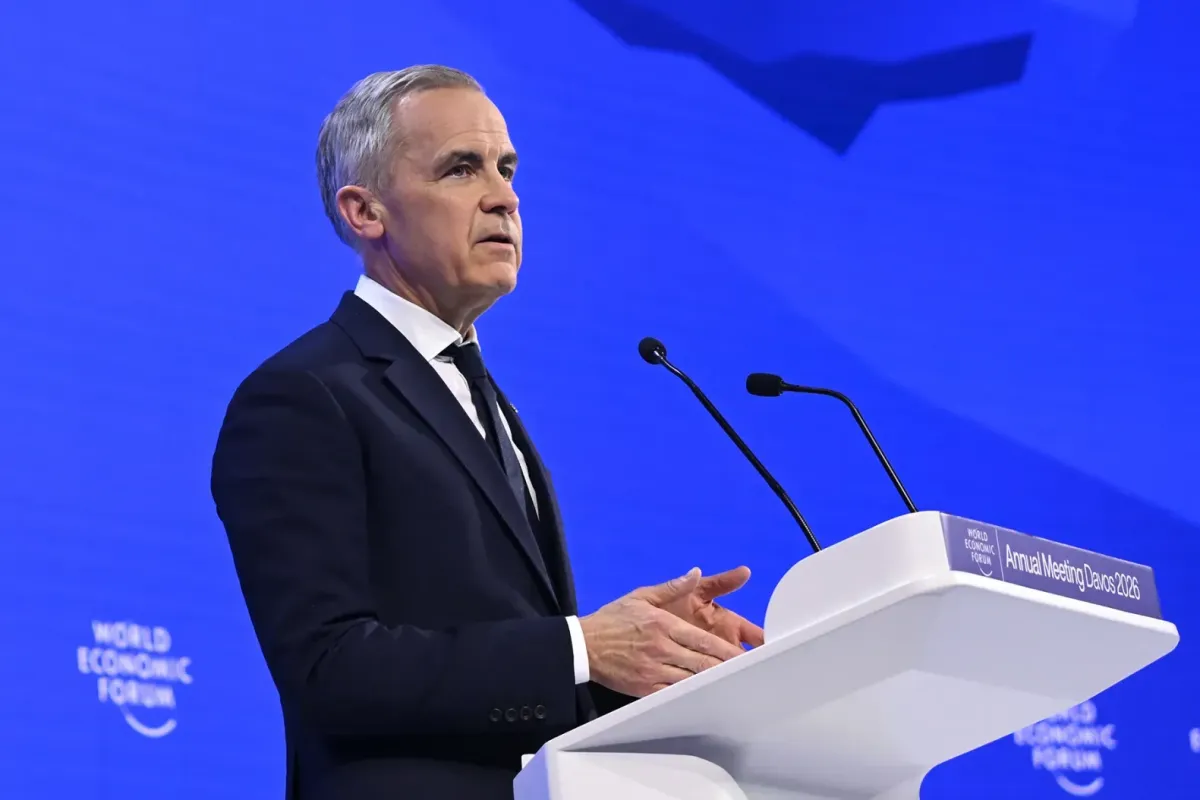
At the World Economic Forum in Davos, global leaders delivered unusually blunt speeches acknowledging what many nations have already felt: the post-Cold War world order is fracturing.
Former central banker Mark Carney was among those who framed the moment as more than economic turbulence. He described a breakdown in trust—between nations, institutions, markets, and citizens—warning that globalization without legitimacy has reached its limit.
Across panels and plenaries, leaders spoke of:
Fragmented trade systems
Weaponized supply chains
Rising geopolitical blocs
Public anger toward elite-driven policies
The tone was strikingly different from Davos past. Gone were easy reassurances about “resilience.” In their place was an admission that the rules no longer bind as they once did.
Critics note the irony: many of the same institutions now diagnosing the rupture were architects of the very order under strain. Supporters argue that recognition is the first step toward repair.
Still, outside the alpine conference halls, skepticism remains. For citizens facing inflation, conflict, and instability, the question is less philosophical and more practical:
Who pays for the reset—and who writes it?
Because when the world order breaks, it doesn’t fall equally.