HOUSE WATCH | When the Door Is Closed Because No One’s Home
In politics, timing decides access.
And sometimes, access decides everything.
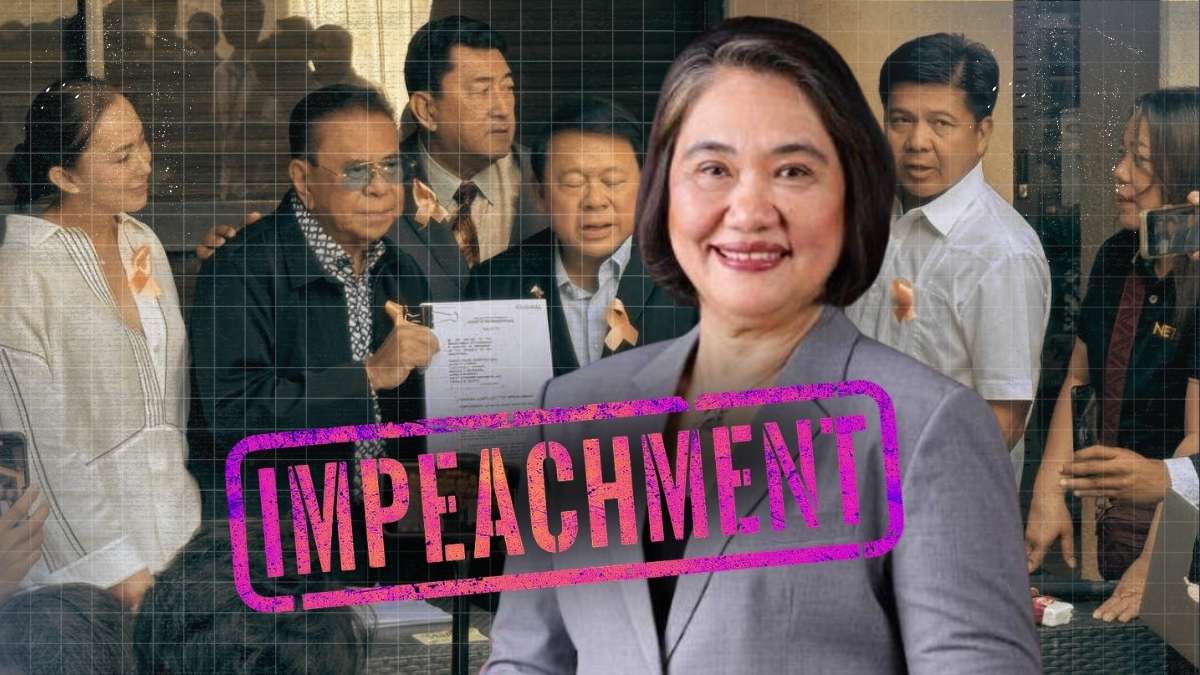
The House of Representatives said its Secretary General was on official business abroad during the attempted filing of impeachment complaints against President Ferdinand Marcos Jr., explaining why the complaints were not formally received at the time.
House officials clarified that the Secretary General is the designated officer to receive impeachment complaints, and his absence meant there was no authorized acceptance of the documents. They stressed that the situation was procedural—not political.
Critics, however, questioned the optics. They argue that constitutional processes should not hinge on travel schedules, especially for matters as serious as impeachment. Supporters of the House position counter that rules exist precisely to avoid ambiguity—and that bypassing them invites disorder.
Quietly, the episode highlights a recurring reality of governance: institutions run on protocols, and when those protocols collide with urgency, outcomes can hinge on logistics rather than substance.
For the public, the takeaway is less about where the Secretary General was—and more about what happens next. Will the complaints be refiled? Will procedures be revisited? Or will the moment pass with the window closed?
Because in the end, impeachment is not only a test of evidence.
It is a test of process.
