“I Dare You”—Marcoleta Pushes to Open Duterte Tax Records
“I Dare the Committee”: Challenge Raises Stakes in BIR Box Debate
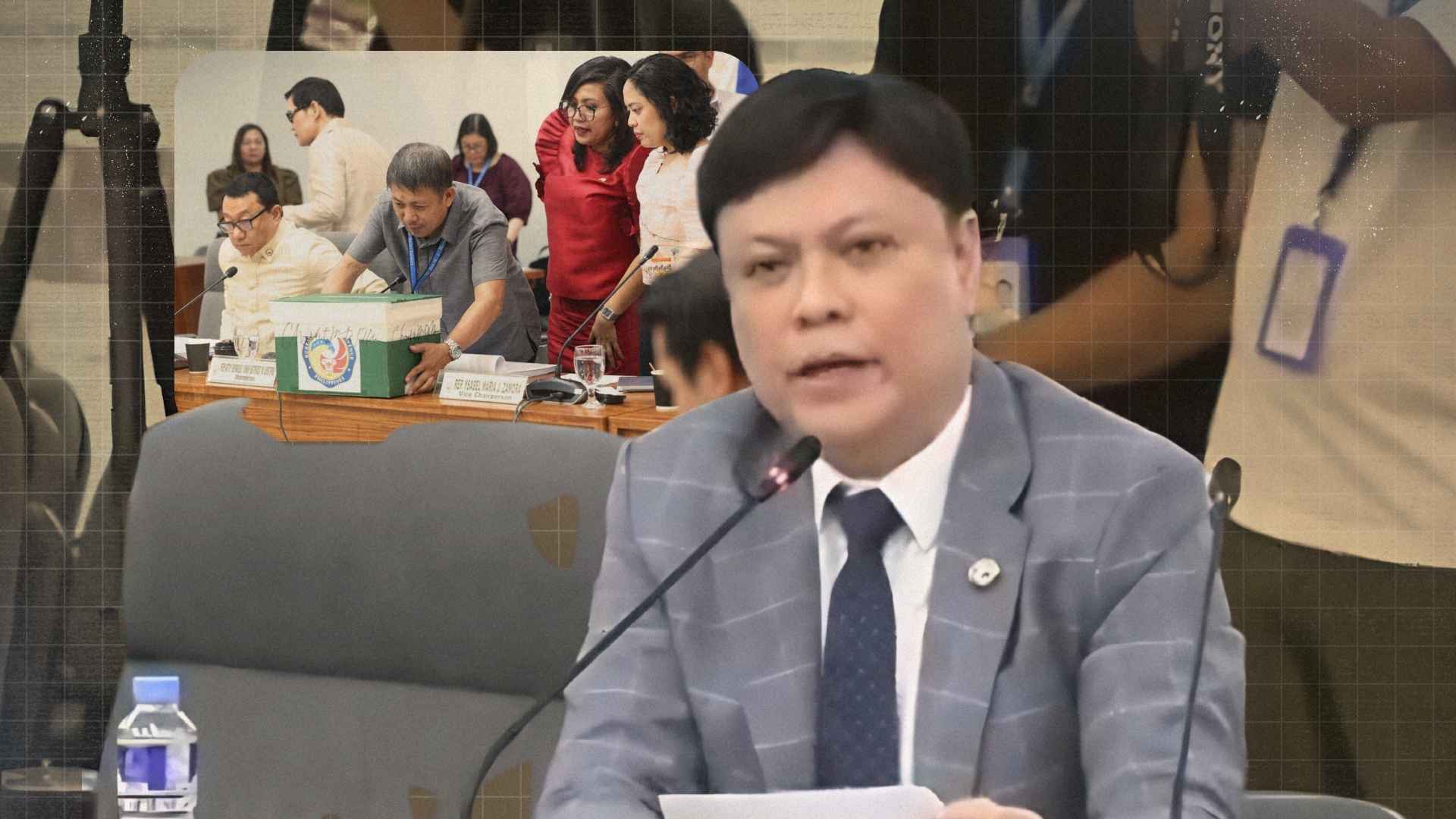
The ongoing debate surrounding the opening of sensitive tax records has taken a sharper turn after Cong. Paolo Henry Marcoleta issued a direct challenge to the House Committee on Justice.
“I dare the committee to open the box…” Marcoleta said, referring to the container reportedly holding tax records linked to Vice President Sara Duterte.
The statement escalates what was already a heated discussion into a more confrontational moment—one that reflects deeper divisions within the ongoing proceedings.
What’s Happening
The House Committee on Justice has been weighing whether to open the so-called “BIR box,” believed to contain documents relevant to current issues under review.
But instead of consensus, what has emerged is a split:
👉 Some pushing for immediate transparency
👉 Others urging caution and proper timing
Now, with Marcoleta’s challenge, the tone has clearly shifted.
Here’s What This Really Means…
This is no longer just procedural.
It’s becoming symbolic.
A “dare” in a formal setting carries weight—it signals confidence, pressure, and a push to force action.
And in politics, symbolism often drives perception.
👉 Opening the box becomes a statement
👉 Not opening it becomes another statement
Either way, the decision speaks loudly.
This Raises a Bigger Issue…
At its core, this is a battle between two principles:
👉 Transparency — show everything now
👉 Due Process — follow structured procedure
And the challenge intensifies that conflict.
Because once a dare is issued, hesitation can be interpreted in different ways.
👉 Is it caution?
👉 Or avoidance?
That’s where perception begins to shape the narrative.
Public Reaction: Energy Rising
Compared to earlier developments, this moment carries more intensity.
The language itself—“I dare you”—naturally draws attention.
Online, discussions are shifting from analysis to reaction.
Some support the push for immediate disclosure, seeing it as a sign of confidence in the evidence.
Others warn against turning legal processes into public spectacle.
And once again, the public is left to interpret.
Why This Matters
Moments like this redefine the tone of proceedings.
What began as a legal and procedural debate is now moving toward a more public-facing confrontation.
And that shift matters.
Because when tone changes, engagement increases—but clarity can sometimes decrease.
Here’s Where It Gets Interesting…
Now, three distinct positions are clearly visible:
👉 Open it now
👉 Wait for proper process
👉 Force the issue immediately
That third position—represented by the challenge—creates pressure on both sides.
It accelerates decision-making.
But it also raises stakes.
The Bigger Picture
In democratic systems, transparency and due process must coexist.
But they don’t always move at the same speed.
And when pressure is applied—as in this case—the gap between them becomes more visible.
Closing Thought
The challenge has been made.
Now the question is no longer just what should happen—
👉 It’s who is willing to act… and who is willing to wait.
Because in moments like this,
decisions don’t just reveal evidence—
👉 They reveal positions.
✝️ EXEGESIS BIBLE VERSE
Proverbs 18:13 (KJV)
“He that answereth a matter before he heareth it, it is folly and shame unto him.”
Reflection:
This verse reminds us of the importance of wisdom and patience. Acting too quickly without full understanding can lead to mistakes, but delaying truth also carries consequences. Balance is key.
Alleged ‘Incentives’ in 2026 Budget: Leviste Flags Suansing Staff Over Project Offers
December 27, 2025•1 min read
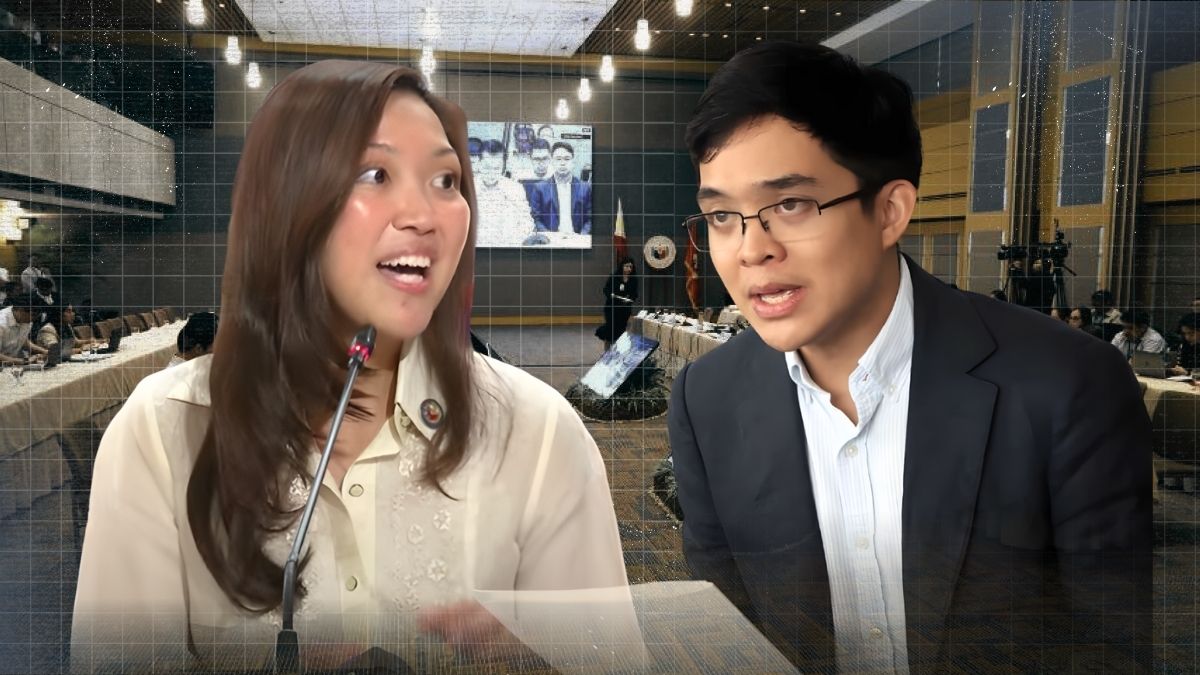
Batangas 1st District Rep. Leandro Legarda Leviste has raised concerns over what he described as alleged “incentives” offered through budget items, purportedly coming from a staff member linked to the office of Nueva Ecija Rep. Mikaela Suansing.

According to Leviste, the encounter occurred during an informal meeting in September, where a person identifying herself as “Attorney Jolina” allegedly presented a document showing ₱151 million in proposed 2026 budget allocations, broken down into various government assistance and infrastructure-related programs.
Leviste clarified that the document was not officially transmitted, was not in writing addressed to him, and was shown during a private meeting rather than through formal congressional channels. He questioned why such discussions would take place outside the established budget deliberation process.
The Batangas lawmaker stressed that if budget items are being framed as “incentives” to lawmakers, this raises serious ethical and institutional concerns, particularly since Congress votes on the national budget as a collective body.
Importantly, no formal finding has yet established wrongdoing by Rep. Suansing or her office. As of posting time, Rep. Suansing has not issued a public response to the allegations.
The issue has added fuel to ongoing debates surrounding:
transparency in budget crafting,
the role of informal negotiations,
and whether “incentives” — real or perceived — undermine the integrity of congressional budget approval.
At its core, the controversy highlights the need for clear, documented, and publicly verifiable budget processes, especially as scrutiny intensifies over the 2026 national budget.