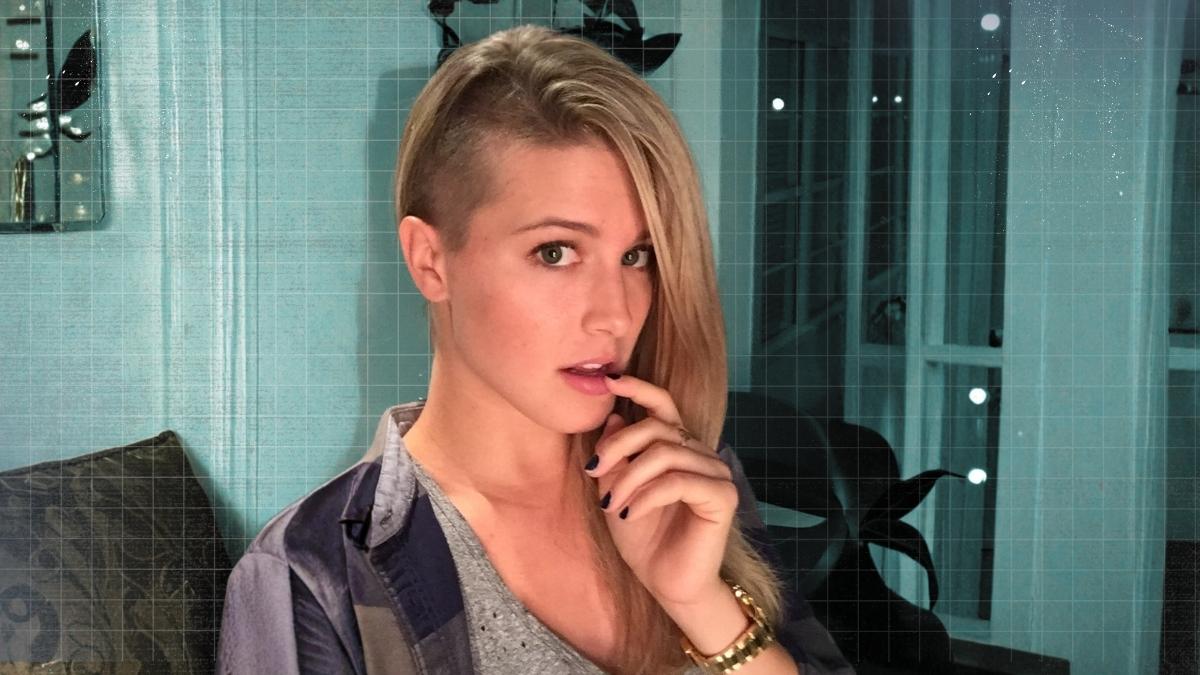
“I Lost My Rolex Deal After Shaving My Head”: Eugenie Bouchard Reflects on Her ‘Rebellious’ Phase
Former tennis star Eugenie Bouchard is opening up about a bold chapter in her life — revealing that shaving her head cost her a lucrative endorsement deal with luxury watch brand Rolex.
In a candid reflection, Bouchard described the move as part of a “rebellious” phase, one that challenged expectations — and came with consequences.
In professional sports, image and branding often carry as much weight as performance. For Eugenie Bouchard, that reality became strikingly clear when a personal style decision reportedly resulted in the loss of a major sponsorship.
Speaking about the experience, Bouchard shared that shaving her head — a dramatic departure from her long-standing public image — led to the termination of her partnership with Rolex.
Her tone wasn’t bitter. Instead, it was reflective.
Image vs. Identity
Athletes today operate within a dual marketplace: competition and commercial appeal. Endorsements from luxury brands often hinge not only on athletic success but on consistent public presentation.
For Bouchard, whose early career included high-profile fashion endorsements and magazine covers, her image was deeply intertwined with brand partnerships.
Shaving her head disrupted that narrative.
Whether viewed as bold self-expression or image risk, the decision highlighted how tightly curated athlete branding can be.
The “Rebellious” Era
Bouchard described that period as rebellious — a time when she sought autonomy over expectations placed on her.
Athletes, especially women in high-visibility sports, often navigate scrutiny not just for performance but for appearance. Style changes can be interpreted as statements — even when they’re simply personal choices.
Her head-shaving moment appears to have symbolized independence. But independence can come with professional trade-offs.
Sponsorship Realities
Luxury brands like Rolex carefully craft their ambassadors’ public personas. Consistency, elegance, and brand alignment matter.
When an ambassador dramatically shifts their image, it can create tension with established brand aesthetics.
That dynamic underscores a broader truth: endorsement deals are partnerships rooted in shared presentation.
Bouchard’s reflection sheds light on how quickly those partnerships can shift when branding alignment changes.
The Cost of Authenticity
Public reactions to Bouchard’s revelation have been mixed.
Some applaud her willingness to prioritize self-expression over commercial safety. Others view the lost deal as a predictable outcome in a tightly controlled sponsorship environment.
The tension between authenticity and marketability is not unique to Bouchard. It’s a recurring theme across sports and entertainment.
Athletes today are encouraged to build personal brands — yet are often expected to maintain aesthetic continuity.
Reinvention and Growth
Bouchard’s career has evolved beyond her peak competitive years. She has explored media appearances, social ventures, and business opportunities.
Her openness about losing the Rolex deal adds complexity to her public narrative.
Rather than portraying the episode as regret, she frames it as part of growth — a chapter that taught her about the intersection of individuality and industry expectations.
The Broader Conversation
Her story contributes to a wider dialogue about autonomy in professional sports.
How much control should athletes retain over personal expression?
Where does brand expectation end and personal freedom begin?
These questions extend beyond tennis.
In a social media-driven era, personal image has become both currency and constraint.
Bouchard’s experience illustrates that pushing boundaries can reshape not only perception but partnership.