ICI Is a Lost Cause: What Should Marcos Do Now?
Barely three months after its creation, the Independent Commission for Infrastructure (ICI) is already unraveling — and with it, the Marcos administration’s flagship promise of accountability in infrastructure projects.

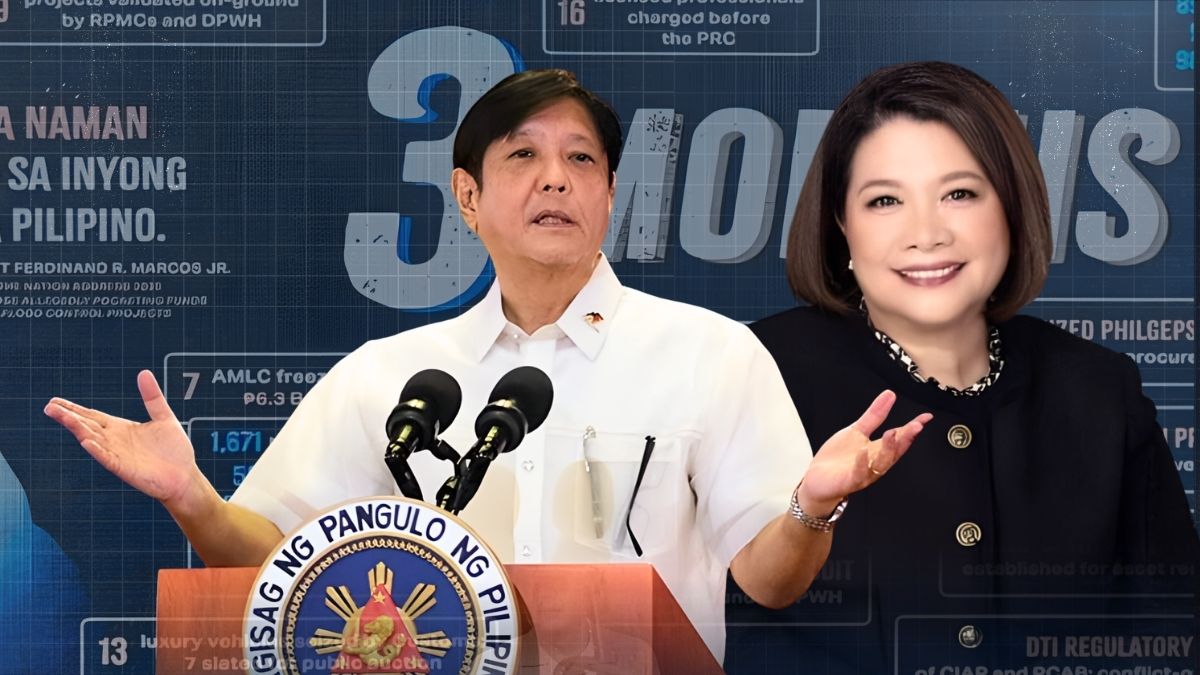
The resignation of ICI Commissioner Rosanna Fajardo, effective December 31, 2025, has intensified doubts about whether the body was ever meant to deliver real justice. What was introduced as a safeguard against corruption in flood control and infrastructure spending is now reduced to a shell, following the exit of two commissioners in quick succession.
For minority lawmakers and governance advocates, the message is clear: the ICI experiment has failed. The commission was supposed to provide teeth — independence, authority, and resolve — to investigate billions in questionable public works projects. Instead, its short life has been marked by internal fractures, limited mandate, and a conspicuous absence of accountability at the highest levels.
Critics argue that the resignations reflect more than personal decisions; they expose a structural weakness. Without strong political backing, budgetary support, and the willingness to implicate powerful figures, anti-corruption bodies risk becoming symbolic gestures rather than instruments of reform.
The timing is also telling. The administration is pushing a massive 2026 national budget amid ongoing controversies surrounding flood control projects, confidential funds, and alleged irregularities within key agencies. The collapse of the ICI further erodes public trust at a moment when transparency is most needed.
So what should President Ferdinand “Bongbong” Marcos Jr. do now?
Lawmakers say the answer is no longer incremental fixes. They are urging Malacañang to certify as urgent the bill creating a permanent Independent Commission Against Infrastructure Corruption (ICAIC) — one with clear investigative powers, insulation from political pressure, and the authority to compel cooperation.
Without decisive action, the ICI’s failure risks becoming a symbol of hollow reform: strong rhetoric, weak execution. For a public already weary of unfinished roads, flooded communities, and recycled promises, the administration’s next move will determine whether accountability is revived — or quietly buried.
Because in governance, delay is not neutral. It chooses a side.
