“I’M A LAWYER, I KNOW WHERE YOU’RE GOING” — MATIBAG DENIES BEING COACHED BY HOUSE PROSECUTION
“I’M A LAWYER, I KNOW WHERE YOU’RE GOING” — MATIBAG DENIES BEING COACHED BY HOUSE PROSECUTION
NBI Director Says Meeting With House Prosecutor Was About His Testimony, Offers to Meet Defense Team
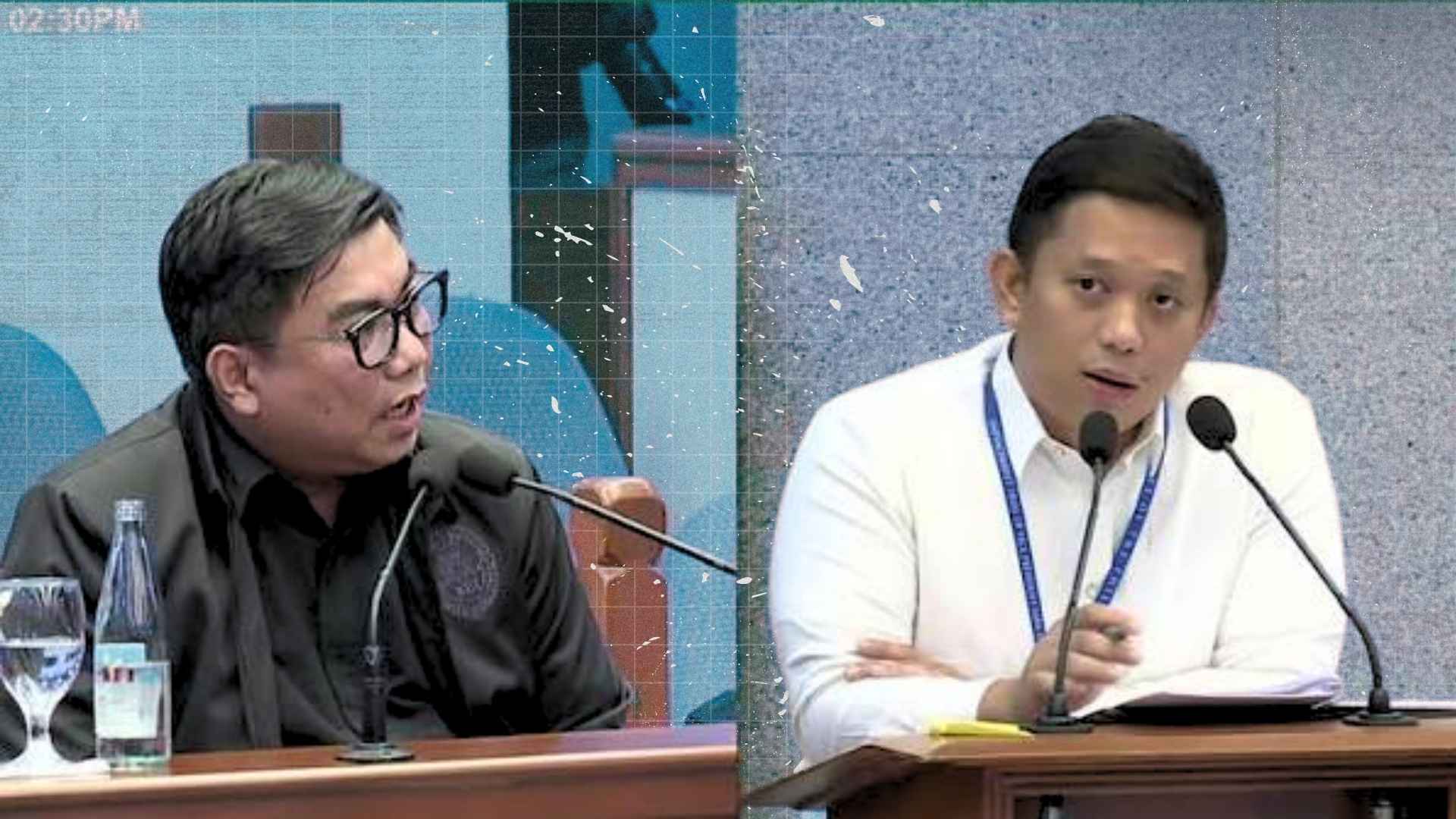
NBI Director Melvin Matibag pushed back against questions from the defense during Vice President Sara Duterte's impeachment trial, denying that he was coached by the House prosecution before taking the witness stand.
The issue surfaced after the defense questioned Matibag about his meeting with House lead prosecutor Rep. Gerville Luistro.
The line of questioning prompted side comments inside the Senate session hall as the defense sought to clarify the nature of the meeting and whether the prosecution had influenced or prepared the NBI director's testimony.
Matibag responded directly:
“I'm a lawyer and I know where you're going.”
He explained that his meeting with Luistro was limited to matters connected to his testimony and his responsibilities as NBI director.
Matibag also said he would be willing to sit down with the defense to discuss the nature of his testimony.
The exchange highlights another point of tension in the impeachment proceedings: how witnesses are prepared before appearing before the impeachment court.
For the defense, meetings between a prosecution witness and members of the House prosecution team naturally raise questions about whether a witness was merely briefed on the proceedings—or whether the witness was coached on what to say.
For Matibag, however, the meeting was not evidence of coaching.
His response suggests that he viewed the defense's questioning as an attempt to establish a connection that, in his view, did not exist.
And this is where the impeachment trial enters another complicated area.
A witness can meet with lawyers before testifying.
That, by itself, does not automatically prove that the witness was coached to give false testimony.
At the same time, the defense has every right to examine the circumstances surrounding a witness's preparation if it believes those circumstances could affect credibility.
The real question, therefore, is not simply:
“Did Matibag meet with the prosecution?”
The more important questions are:
What exactly was discussed?
Was the testimony influenced?
And does the witness's actual testimony remain consistent with the evidence and official records?
Those are matters that can be explored through cross-examination.
Matibag's offer to meet with the defense could potentially provide another avenue for both sides to clarify the nature of his testimony.
But the exchange also shows how intensely the impeachment trial is being scrutinized.
Every meeting.
Every document.
Every statement.
Every inconsistency.
Every word spoken inside the Senate impeachment court can become part of the larger battle over credibility.
And as the proceedings continue, the public is left watching two competing narratives.
The defense is questioning the credibility and preparation of the witness.
The prosecution is standing behind the testimony and the investigation.
Meanwhile, Matibag insists that he knows exactly where the questioning is heading—and that his testimony was not the product of coaching.
Ultimately, the impeachment court will have to weigh the evidence and determine what matters most:
Not who met with whom.
Not who made the strongest argument.
But whether the testimony, documents, and evidence presented can withstand scrutiny.
Because in an impeachment trial, credibility is not simply claimed.
It has to be demonstrated.
📖 EXEGESIS BIBLE VERSE
“The first to speak seems right, till someone comes forward and cross-examines.”
— Proverbs 18:17
This verse offers a powerful principle when examining accusations and testimony.
The first version of a story can often sound convincing.
But truth is not established simply because one person speaks first—or speaks most confidently.
There must be examination.
There must be questions.
There must be an opportunity for the other side to challenge what has been said.
That is why cross-examination is such an important part of any justice system.
In the impeachment trial, the prosecution presents its case.
The defense challenges it.
Witnesses are questioned.
Documents are examined.
And claims are tested.
The goal should not be to silence one side.
The goal should be to uncover the truth.
If Matibag's testimony is accurate, it should withstand questioning.
If the defense raises legitimate inconsistencies, those should also be examined.
Because justice is not served by protecting a witness from difficult questions.
Nor is it served by attacking a witness without evidence.
Truth becomes stronger when it survives scrutiny.
📌 EDITOR'S NOTE
This article is based on statements and reports concerning testimony presented during the impeachment trial of Vice President Sara Duterte. Allegations regarding witness coaching are disputed. The report does not independently establish that any witness was coached or that any improper conduct occurred.
Makabayan Warns as Secret Funds Swell to Nearly ₱12 Billion in 2026 Budget
December 25, 2025•2 min read
A coalition of progressive lawmakers under Makabayan has raised alarm over what it described as a sharp expansion of confidential and intelligence funds (CIF) in the proposed 2026 national budget, warning that the allocations may weaken transparency and accountability in government spending.

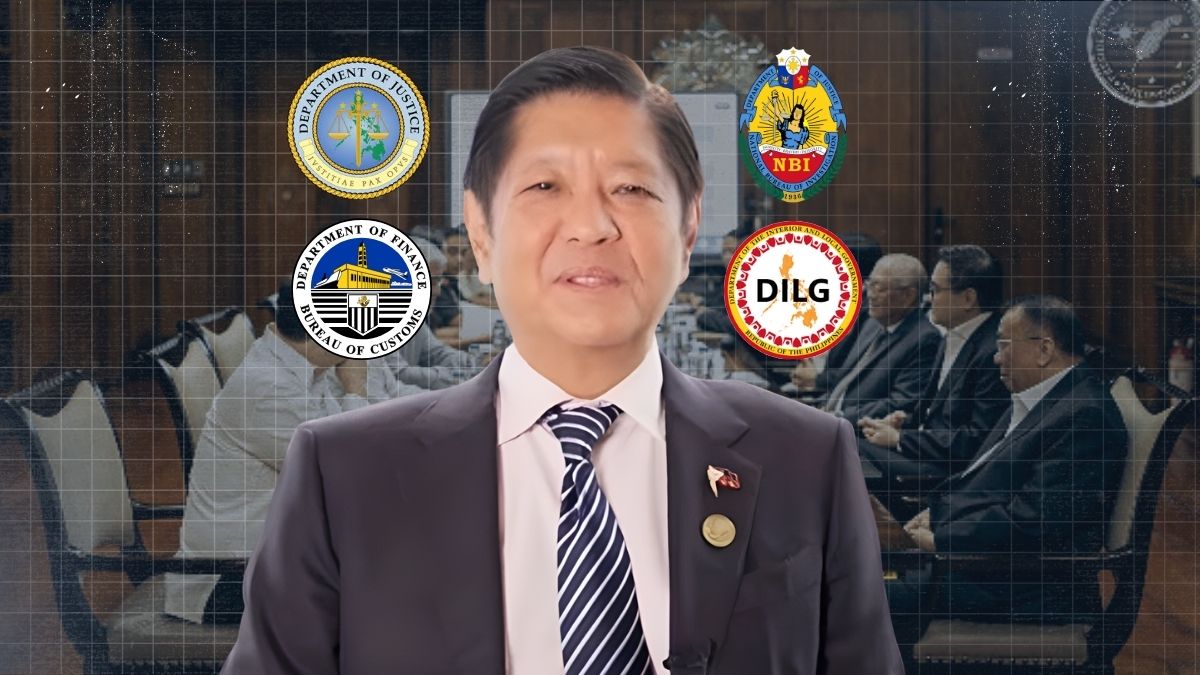
According to the group, confidential and intelligence funds across multiple agencies could reach ₱11.87 billion—nearly ₱12 billion—under the bicameral-approved version of the 2026 General Appropriations Bill, now awaiting the signature of Ferdinand Marcos Jr..
Where the funds are concentrated
Makabayan noted that a significant portion of the CIF increase is concentrated in the Office of the President (OP), which would receive a combined ₱4.56 billion in secret funds—representing a large share of the government’s total confidential allocations.
Beyond the OP, several agencies also received substantial increases in their CIF budgets, including:
Department of Justice – nearly ₱730 million
Department of the Interior and Local Government – about ₱301 million
National Bureau of Investigation – over ₱300 million
Bureau of Customs – increased confidential allocations
The coalition stressed that these funds are not subject to the same public audit mechanisms as regular appropriations, making scrutiny difficult.
Transparency concerns
Lawmakers from the Makabayan bloc warned that CIFs, by design, are shielded from itemized disclosure, creating potential blind spots in public oversight.
They emphasized that while security and intelligence operations are necessary, unchecked growth in secret funds risks undermining transparency—especially at a time when social services such as education, healthcare, and agriculture continue to face funding constraints.
The coalition also pointed out that intelligence funds saw notable growth compared to the original National Expenditure Program (NEP) submitted by Malacañang, suggesting major changes during the bicameral deliberations.
Aid programs also expand
Aside from CIFs, Makabayan flagged significant increases in “soft” aid programs implemented at the discretion of lawmakers, including:
Assistance to Individuals in Crisis Situations (AICS)
Department of Social Welfare and Development (DSWD) programs
Medical assistance programs under the Department of Health
Some of these allocations more than doubled compared to the original budget proposal, raising further concerns about politicized spending.
Government response and next steps
Supporters of the budget have argued that safeguards exist and that confidential funds are essential for national security and law enforcement operations. Malacañang has yet to issue a detailed response to the Makabayan bloc’s critique.
President Marcos is expected to decide on the 2026 budget in the coming weeks. Once signed, the allocations will take effect at the start of the next fiscal year.
As debates continue, watchdog groups and legislators alike are calling for stronger oversight mechanisms to ensure that public funds—especially those shielded from full disclosure—are used strictly for their intended purposes.