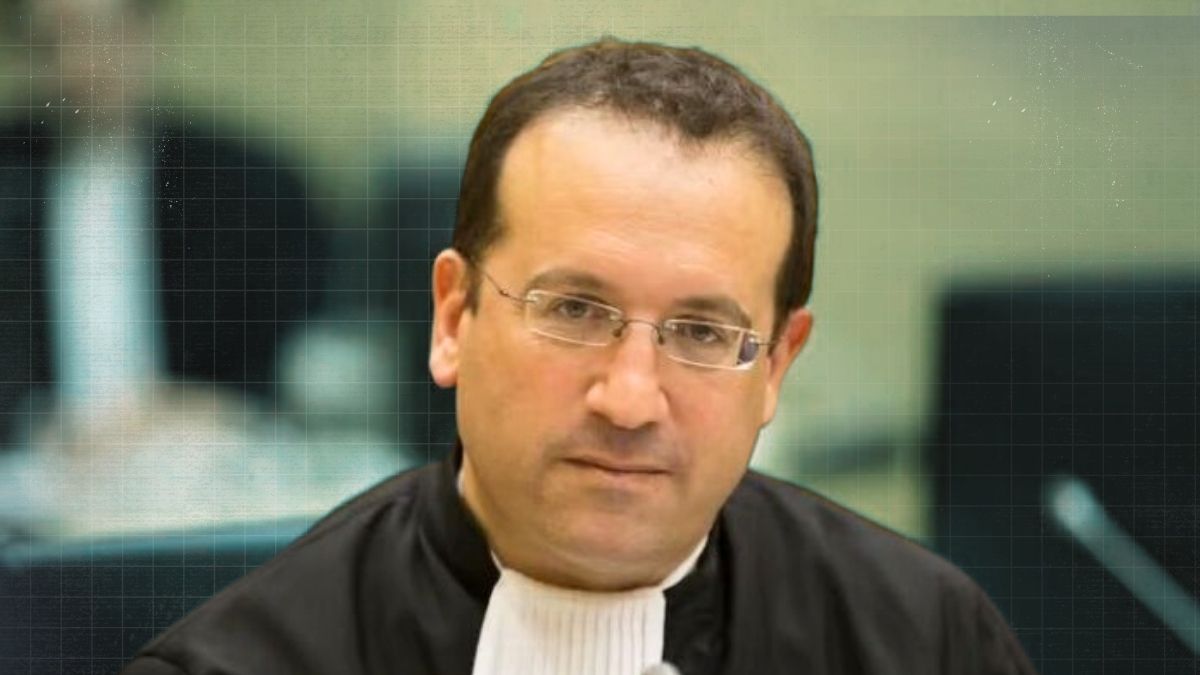
📰 Kaufman Defends Duterte’s Legacy Before ICC, Highlights Davao Transformation
Lead defense counsel Nicholas Kaufman delivered a forceful defense of former President Rodrigo Duterte during proceedings at the International Criminal Court (ICC), framing Duterte’s leadership as a response to a national demand for peace and order.
In remarks that quickly circulated online, Kaufman described Duterte as a leader who “developed a lifelong passion—some would say an enduring obsession—for law and order.” He pointed to the transformation of Davao City from what he characterized as an insurgency outpost into one of the safest cities in the Philippines.
The Core of the Defense Argument
Kaufman’s presentation did more than address legal technicalities. It framed Duterte’s presidency within a broader political and historical context.
According to the defense:
The 2016 election was not an ordinary political contest, but a public mandate centered on peace and order.
Davao City’s governance model demonstrated tangible results.
Crime rates reportedly declined significantly during Duterte’s tenure.
Supporters highlight figures often cited in public discourse indicating major reductions in crime rates during his administration. Critics, however, have challenged methodologies and human rights implications surrounding anti-drug operations.
The ICC case itself centers on allegations connected to the anti-drug campaign conducted during Duterte’s presidency.
Davao City as a Case Study
Kaufman emphasized Davao City’s development trajectory, arguing that:
Law enforcement consistency contributed to stability.
Public safety improvements encouraged economic growth.
Governance continuity created measurable institutional outcomes.
Davao has frequently ranked competitively in national economic and safety metrics. However, interpretations of causality remain debated among scholars and policy analysts.
International Legal Context
The ICC proceedings stem from allegations related to Duterte’s anti-drug operations.
Key legal questions include:
1️⃣ Jurisdiction — whether the ICC retains authority over acts committed before the Philippines withdrew from the Rome Statute.
2️⃣ Sufficiency of evidence — whether charges meet the threshold for trial.
3️⃣ Accountability standards under international law.
The defense has argued that the case lacks sufficient basis and carries political undertones, while the prosecution maintains that international accountability mechanisms apply.
No final ruling has been issued at this stage.
Political Narrative vs. Legal Determination
Kaufman’s remarks illustrate the intersection between:
Legal defense strategy
Historical narrative framing
Public opinion shaping
While ICC proceedings focus on legal thresholds, public discourse often evaluates leadership through perceived outcomes and lived experiences.
Supporters describe Duterte’s tenure as decisive and result-oriented. Critics argue that alleged rights violations must be judicially examined.
These parallel narratives continue to shape both domestic and international perspectives.
Public Reaction
Online reactions to Kaufman’s remarks have been polarized:
🔹 Supporters praised the framing as a strong articulation of Duterte’s legacy.
🔹 Critics contend that development achievements do not preclude accountability.
🔹 Neutral observers emphasize that the ICC process remains legal, not political theater.
The debate underscores how deeply Duterte’s presidency remains embedded in Philippine political identity.
Broader Implications
The ICC case carries implications beyond one individual:
International criminal law precedent
Sovereignty debates
Human rights accountability
Philippine political succession narratives
As proceedings continue, both the legal process and public narrative are evolving simultaneously.