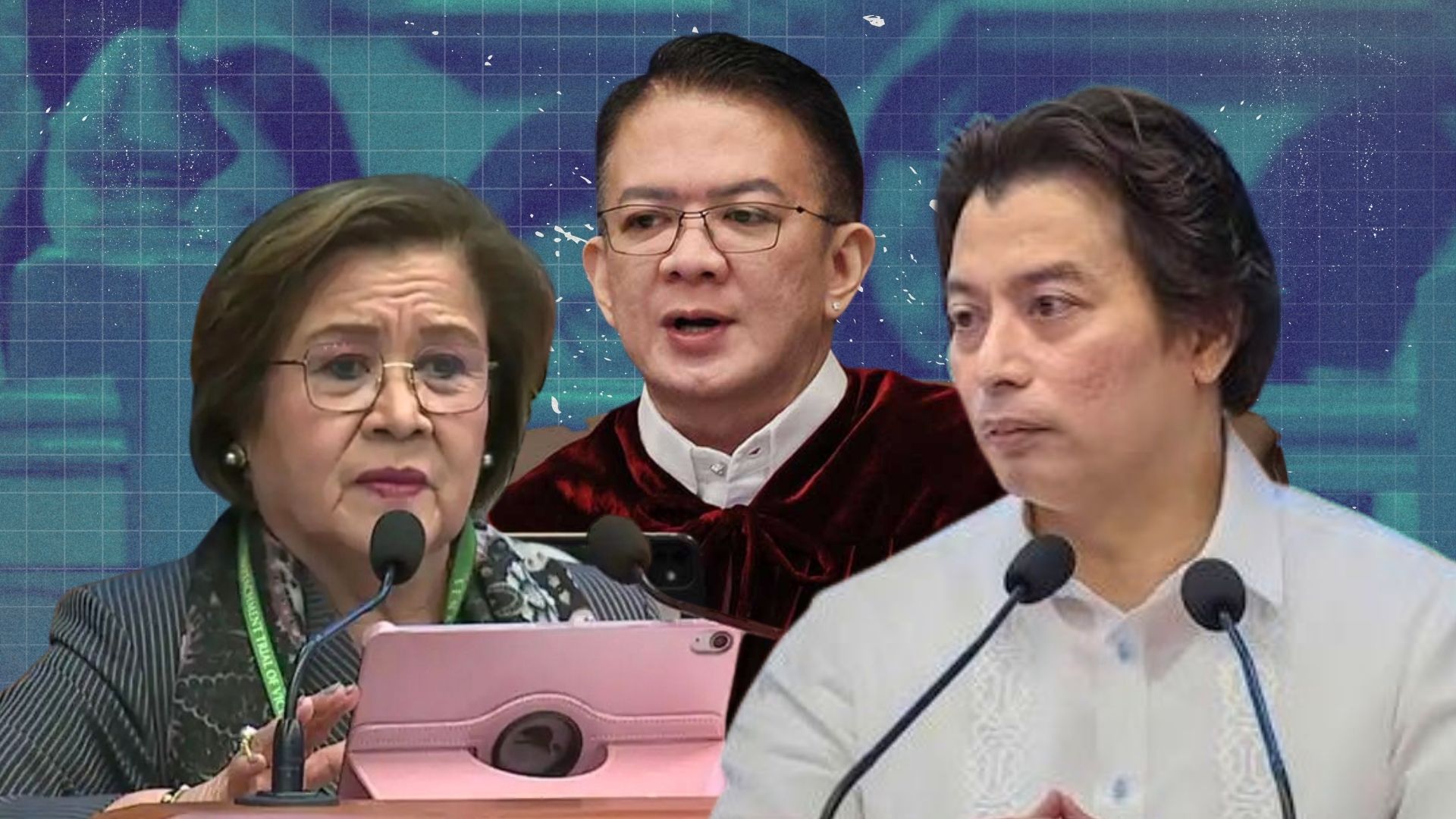
“KINDLY CALL YOUR WITNESS ALREADY”: DE LIMA STOPPED AS IMPEACHMENT TRIAL OPENING HEATS UP
“Kindly Call Your Witness Already”: De Lima Stopped as Impeachment Trial Opening Heats Up
By Politikanta Minute | July 29, 2026
The impeachment proceedings involving Vice President Sara Duterte opened with a sharp procedural clash as former senator Leila de Lima delivered the prosecution's opening statement on Article 1—only to be repeatedly interrupted by objections and instructions from the presiding officer to move on to the witnesses.
At the center of De Lima's opening argument was the prosecution's characterization of the case involving ₱612.5 million in confidential funds allegedly entrusted to Vice President Sara Duterte through the Office of the President and the Department of Education.
De Lima argued that the case was not simply about a missing receipt, a clerical problem, or an accounting mistake.
Instead, she said the prosecution's evidence would seek to demonstrate what it described as a broader pattern of conduct.
But before she could fully develop that argument, the defense repeatedly objected.
And eventually, the presiding officer stepped in.
“This Is Not About One Missing Receipt”
De Lima opened by framing Article 1 as a case involving more than an isolated financial discrepancy.
According to her presentation, the prosecution would seek to show that the handling of the confidential funds represented a pattern that, taken as a whole, would support allegations of graft and corruption and betrayal of public trust.
That was immediately challenged by the defense.
The defense argued that De Lima was moving beyond an overview of the evidence and was already making conclusions that should instead be established through the presentation of witnesses and documents.
The presiding officer agreed in part with the objection.
De Lima was instructed to avoid conclusions of fact and law during her opening statement.
The chair explained that the purpose of an opening statement was to provide an overview of what the evidence would show—not to have counsel make conclusions about the evidence before it had been presented.
The Chair: “Kindly Wind Up”
The exchange became increasingly tense as De Lima continued her statement.
The presiding officer reminded her that she had already been warned to limit her remarks and avoid drawing conclusions about facts and law.
The chair then instructed her again:
“Kindly wind up.”
De Lima asked for a few more seconds to finish her statement.
She then shifted toward a broader argument about accountability and public trust.
Her question was essentially this:
When an impeachable official allegedly abuses the powers entrusted to them in a way that undermines accountability, should that official continue to be trusted with public office?
De Lima also asked whether the trust of the Filipino people was honored when public funds were entrusted to the Vice President.
But she then emphasized that, in the prosecution's view, those questions should ultimately be answered by evidence.
“It Will Be Answered by the Witnesses”
In one of the strongest lines of her closing remarks, De Lima argued that the case would not ultimately be decided by political statements or public relations.
She said the questions would be answered by:
Witnesses.
Documents.
Audits.
Evidence.
That argument became particularly significant because the presiding officer had repeatedly emphasized that the prosecution should allow the evidence and witnesses to establish the case rather than having counsel make conclusions in advance.
In that sense, the two sides were emphasizing different aspects of the same proceeding.
The prosecution wanted to establish the seriousness of the allegations from the outset.
The defense wanted the allegations tested through evidence.
The chair wanted the trial to proceed according to the rules governing the presentation of that evidence.
“Kindly Call Your Witness Already”
The procedural tension reached its clearest point when the presiding officer once again interrupted De Lima.
After another objection from the defense, the chair told her that the continuing objection was noted but instructed her to stop.
Then came the line that quickly became the defining moment of the exchange:
“Kindly call your witness already.”
The message was unmistakable.
The opening statement had gone far enough.
It was now time for the evidence to begin.
De Lima eventually concluded her remarks and submitted to the chair.
The prosecution then moved to call its witness.
The Bigger Issue: Opening Statements vs. Evidence
The clash highlights an important feature of impeachment proceedings.
An opening statement is designed to tell the court what a party expects the evidence to show.
But it is not itself evidence.
That distinction became the central procedural issue during the exchange.
De Lima was attempting to establish the prosecution's narrative from the beginning:
That the case involved hundreds of millions of pesos in confidential funds.
That the alleged problems went beyond a single missing receipt.
And that the prosecution believed the evidence would reveal a broader pattern.
The defense, however, objected when those assertions appeared to move from describing anticipated evidence into declaring conclusions about what the evidence supposedly proved.
The presiding officer ultimately sided with the need for restraint, directing De Lima to avoid conclusions of fact and law and to proceed with the presentation of witnesses.
The Politikanta Minute Take
This was more than a simple interruption.
It was a clash over how the impeachment trial should be argued.
De Lima wanted the prosecution's theory clearly established at the beginning.
The defense wanted the prosecution to prove those allegations through actual evidence.
And the chair wanted to make sure the proceedings stayed within the boundaries of what an opening statement is supposed to accomplish.
The prosecution's position is clear:
The ₱612.5 million in confidential funds is not, in its view, simply an accounting issue.
De Lima argued that the evidence would show a broader pattern that the prosecution believes amounts to serious violations.
But those remain prosecution allegations and arguments until they are established through the trial record.
That is precisely why the presiding officer kept directing the prosecution back toward witnesses and evidence.
And ultimately, that's where the real battle begins.
Not with the opening statement.
Not with political speeches.
Not with press releases.
But with the documents.
The witnesses.
The audits.
And the evidence.
The most revealing moment of the opening exchange may therefore have been the chair's repeated instruction:
“Kindly call your witness already.”
Because after all the arguments, the rhetoric, and the political stakes surrounding the impeachment trial, the question now becomes much simpler:
What can the prosecution actually prove?
And that is the question the witnesses will now have to answer.
✝️ BIBLE VERSE CONNECTION
John 7:51 (KJV)
“Doth our law judge any man, before it hear him, and know what he doeth?”
Exegesis / Reflection
This verse speaks to one of the most basic principles of fair judgment:
Hear the evidence before reaching a conclusion.
In the impeachment proceedings, the prosecution presented its theory of the case and described what it expects the evidence to show.
But the presiding officer repeatedly reminded the parties that the trial must ultimately be based on evidence presented through the proper process.
That distinction matters.
An allegation can be serious.
A pattern can be alleged.
A public official can face intense scrutiny.
But the process of justice requires that claims be tested.
Witnesses must testify.
Documents must be examined.
Records must be reviewed.
And both sides must have the opportunity to present their arguments.
The prosecution's opening statement may explain what it believes the evidence will demonstrate.
But the evidence itself must still be heard.
That is why the chair's instruction was so significant:
Call the witness.
Because ultimately, the credibility of any case depends not merely on how powerfully it is presented—but on whether the evidence can support it.
Ping Lacson: “Sa Budget Pa Lang, Laban Na Ako sa Korupsiyon.”
March 11, 2026•2 min read
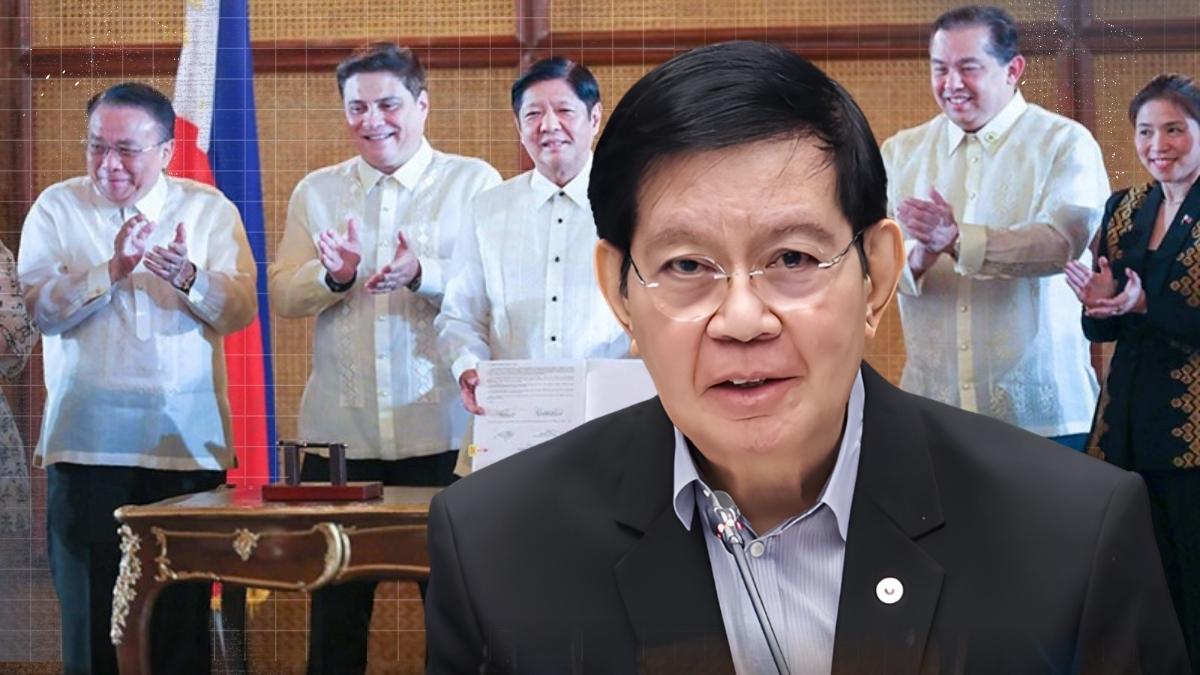
Nanindigan si Panfilo Lacson na matagal na niyang ipinaglalaban ang laban kontra korupsiyon, lalo na sa usapin ng national budget at paggamit ng pondo ng pamahalaan.
Ang pahayag ng senador ay lumabas sa gitna ng diskusyon sa Senado kaugnay ng mga alegasyon sa mga flood control projects, kung saan muli niyang iginiit na bahagi na ng kanyang matagal na adbokasiya ang pagbabantay sa paggastos ng pondo ng bayan.
Ayon kay Lacson, bilang mambabatas ay tungkulin niyang tiyakin na ang bilyong pondo ng gobyerno ay hindi napupunta sa maling paggamit o sa mga proyekto na hindi tunay na napapakinabangan ng publiko.
“Ako po’y talagang lumalaban sa korupsiyon pagdating sa national budget, pagdating sa lahat ng usapin.”
Bantay sa Pondo ng Bayan
Sa loob ng maraming taon sa Senado, kilala si Lacson bilang isa sa mga mambabatas na madalas magbantay sa mga anomalya sa national budget — kabilang ang pagbusisi sa mga proyektong may malaking pondo ngunit kaduda-duda ang implementasyon.
Para sa kanya, mahalaga ang transparency sa paggastos ng pondo upang mapanatili ang tiwala ng publiko sa pamahalaan.
Sa gitna ng patuloy na diskusyon sa flood control spending at iba pang proyekto ng gobyerno, nananatiling mahalagang usapin ang accountability sa budget process.
⚡ Politikanta Satirical Jab
Sa politika ng Pilipinas, madalas nating marinig ang mga salitang:
“Laban sa korupsiyon.”
Pero ang tanong ng bayan:
Kung lahat ay lumalaban sa korupsiyon…
bakit parang hindi pa rin ito natatalo?
Minsan kasi, hindi sapat ang mga salita sa plenaryo —
ang tunay na laban ay makikita sa mga desisyon, imbestigasyon, at kung sino ang pinapanagot.
📖 Bible Reflection
Proverbs 29:4
“The king by judgment establisheth the land: but he that receiveth gifts overthroweth it.”
Kapag ang pamumuno ay nakabatay sa katarungan, tumitibay ang bayan.
Ngunit kapag ang kapangyarihan ay ginagamit para sa pansariling pakinabang, ang buong bansa ang nagdurusa.