LACSON QUESTIONS NBI: WHY INVESTIGATE VP SARA BUT NOT MAYOR BASTE?
LACSON QUESTIONS NBI OVER VP SARA PROBE, LACK OF ACTION ON MAYOR BASTE
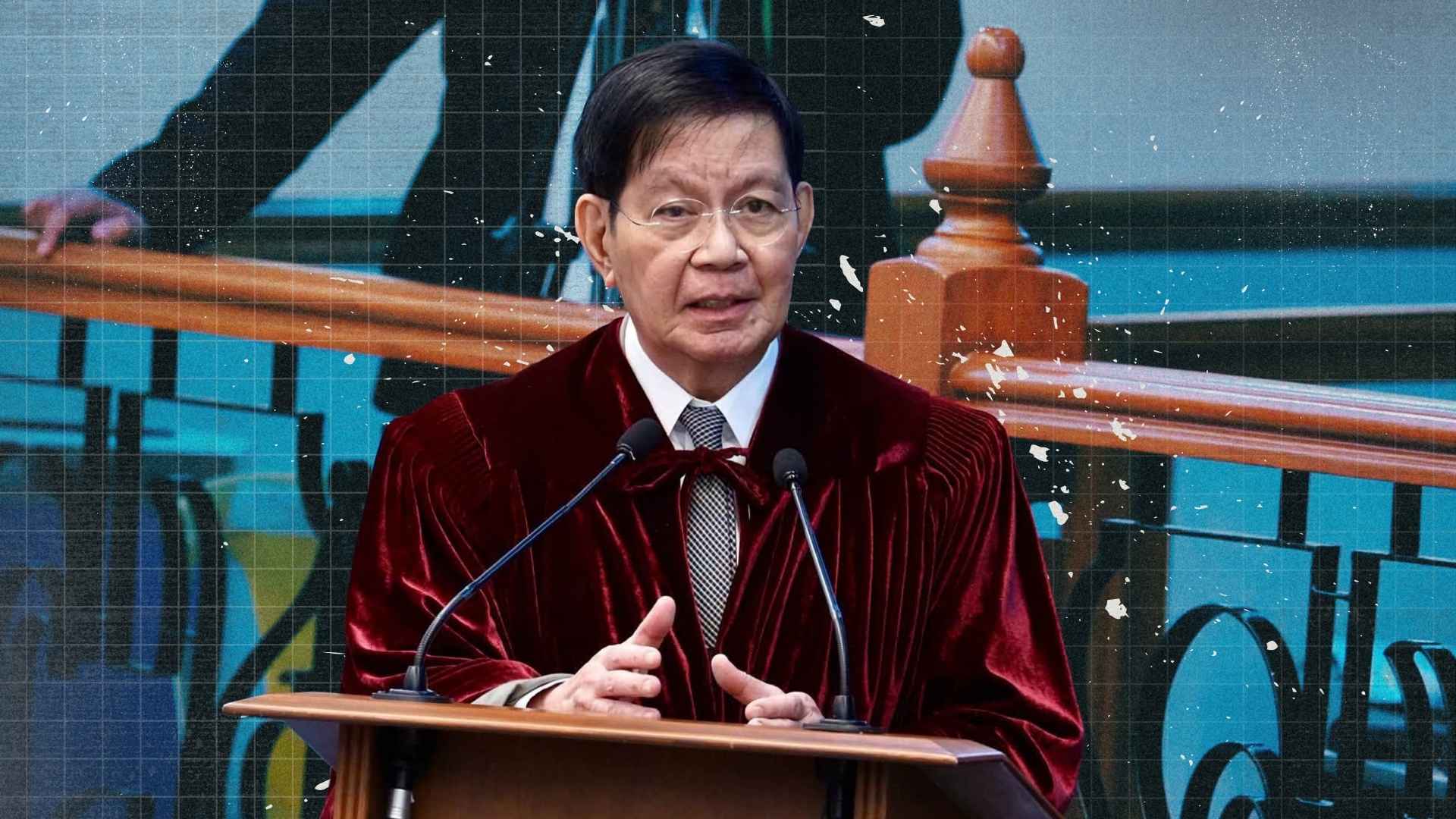
The issue of alleged threats against President Ferdinand Marcos Jr. took another turn during the impeachment trial as Senator-Judge Panfilo “Ping” Lacson questioned the National Bureau of Investigation over what he described as a possible difference in the way similar statements were being handled.
During the proceedings, Lacson questioned NBI Director Atty. Melvin Matibag regarding the investigation into Vice President Sara Duterte's remarks involving President Marcos Jr., First Lady Liza Araneta Marcos, and former House Speaker Martin Romualdez.
The senator-judge pointed out that Davao City Mayor Sebastian “Baste” Duterte had also made statements concerning the President, raising the question of why the NBI appeared to be pursuing an investigation involving the Vice President while no similar action had yet been taken against the Davao City mayor.
The exchange placed the NBI under scrutiny over a fundamental question:
Are similar statements being treated under the same standard?
Matibag responded that the investigation being conducted by the NBI task force remains ongoing.
He also indicated that appropriate action could be taken against Mayor Baste if the investigation produces sufficient evidence and establishes legal grounds for further action.
The response, however, leaves an important question hanging.
If two public officials make statements that appear similar in nature, should both be investigated at the same time?
Or should law enforcement agencies first determine whether the statements meet the legal threshold for a criminal investigation before taking action?
That distinction is critical.
An investigation is not the same as a finding of guilt. Likewise, the absence of an investigation does not automatically mean that authorities are protecting or favoring someone.
But the public is understandably interested in seeing consistency in the application of the law.
The impeachment trial has already placed the issue of alleged threats against the President under intense national scrutiny. The NBI's testimony has become a significant part of the proceedings, particularly as the bureau explains how it assessed the seriousness of the statements attributed to the Vice President.
Lacson's questioning therefore goes beyond the personalities involved.
It raises a broader institutional issue:
Does law enforcement apply the same standards regardless of who made the statement?
For the NBI, the answer will ultimately depend on the evidence gathered, the circumstances surrounding each statement, and the applicable law.
For the public, however, consistency remains essential.
Because when law enforcement investigates one person but not another who appears to have made a similar statement, questions about fairness will naturally follow.
The challenge now is for the NBI to demonstrate that its actions are based not on political considerations, personalities, or affiliations—but on evidence, established procedures, and the law.
That is the standard the public should expect from any government agency.
Not selective justice.
Not political convenience.
But equal application of the law.
REPORTORIAL COMMENTARY
This exchange between Senator Ping Lacson and NBI Director Melvin Matibag deserves attention—not because it automatically proves that the NBI acted unfairly, but because it raises a question that law enforcement agencies must be prepared to answer.
Consistency.
If the NBI believes that a public statement can rise to the level of a serious threat against the President, then the public naturally wants to know whether similar statements made by other personalities are being evaluated using the same legal standard.
That's a fair question.
But here's where we have to be careful.
We cannot simply say that because two statements sound similar, they are automatically the same case.
Context matters.
Intent matters.
Evidence matters.
And most importantly, the law matters.
The NBI's response—that it will take appropriate action against Mayor Baste if sufficient evidence and legal grounds are established—is therefore important.
The agency is essentially saying:
Let the investigation determine the facts first.
And that is exactly how it should work.
But the burden is also on the NBI to explain its process clearly.
Because when the public sees one Duterte being investigated while another Duterte is not, the natural question becomes:
Is there a different standard?
That question should not be dismissed as mere politics.
The best way to answer it is through transparency and consistency.
If the law is truly blind, then it must remain blind to political alliances, family names, and positions of power.
Because whether the person involved is the Vice President, a city mayor, a senator, or an ordinary citizen, the standard should be the same:
One law. One standard. One process.
EXEGESIS / BIBLE VERSE
Leviticus 19:15
“Do not pervert justice; do not show partiality to the poor or favoritism to the great, but judge your neighbor fairly.”
Exegesis
This verse speaks directly to one of the most important principles in any justice system: impartiality.
Justice should not change depending on a person's wealth, influence, political position, or family name.
The principle is not that everyone should automatically face the same outcome. Rather, everyone should be judged according to the same standard of fairness.
In the context of the NBI controversy, that means investigations should be guided by evidence, law, and due process—not political loyalty or personal connections.
The challenge for every institution is simple:
If the law applies to one, it must be applied fairly to all.
And when people question whether the standard is being applied equally, the best answer is not anger or political rhetoric.
The best answer is transparency, evidence, and consistent enforcement of the law.
TRILLANES NAGDESISYON NA HINDI NA TATAKBO SA DARATING NA HALALAN
March 01, 2026•2 min read
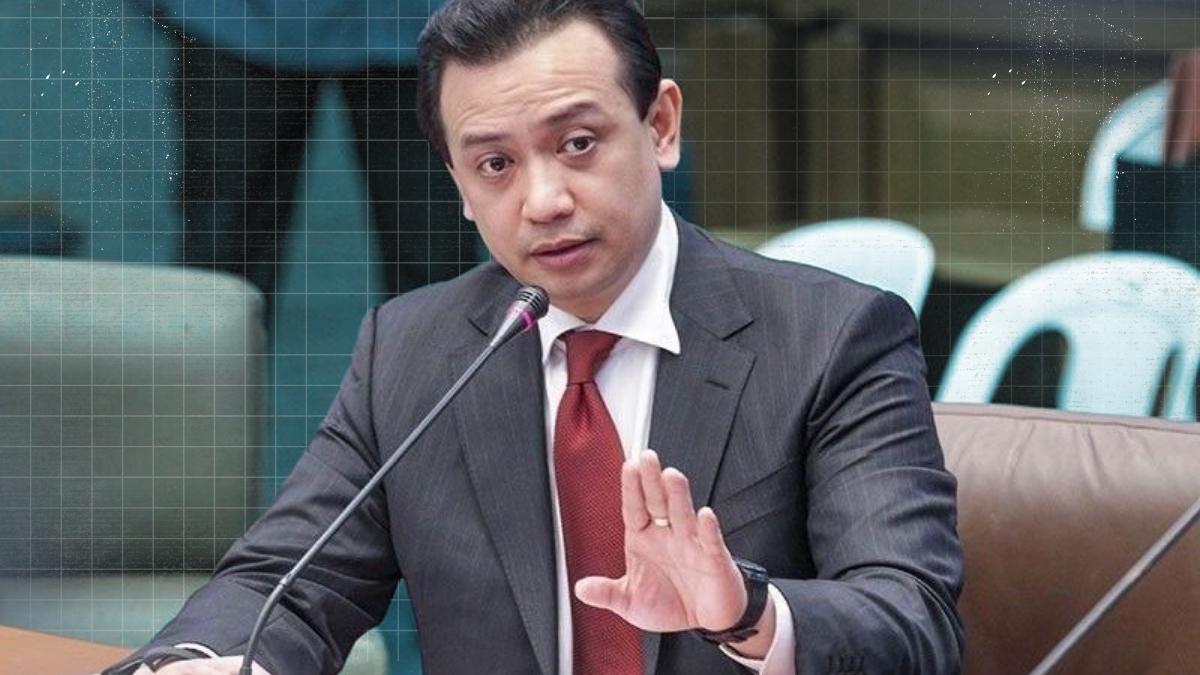
Kinumpirma ni Antonio Trillanes IV na hindi na siya sasabak sa anumang posisyon sa darating na halalan, kabilang ang 2028 national elections at maging sa lokal na puwesto.
Sa panayam sa programang On Point ng Bilyonaryo News Channel, sinabi ni Trillanes na matagal na niyang pinag-isipan ang desisyon at naniniwala siyang panahon na upang magbigay-daan sa ibang lider na maaaring magpatuloy sa mga adbokasiyang kanyang ipinaglaban sa loob ng maraming taon.
“I have decided that I will no longer run,” pahayag ni Trillanes.
Panahon ng Pagninilay
Ayon sa dating senador, ang kanyang desisyon ay hindi padalos-dalos. Aniya, matapos ang mahabang panahon sa serbisyo publiko at aktibong pakikilahok sa mga isyung pambansa, naniniwala siyang mas makabubuting magbigay-daan sa bagong henerasyon ng mga lider.
Sa halip na tumakbo, tututok umano siya sa pagsuporta sa mga kandidatong may integridad at kakayahang mamuno. Ipinunto niyang mahalaga ang pagkakaroon ng mga pinunong may malinaw na prinsipyo at tunay na malasakit sa bayan.
Reaksyon ng mga Tagasuporta
May ilang tagasuporta ang nagpahayag ng pagkadismaya sa balitang ito, lalo na ang mga umaasang muli siyang tatakbo sa pambansang posisyon. Para sa ilan, si Trillanes ay isa sa mga matibay na boses sa usapin ng transparency, accountability, at anti-corruption.
Gayunpaman, iginiit ng dating senador na ang paglilingkod sa bayan ay hindi lamang nasusukat sa paghawak ng posisyon. Aniya, may iba’t ibang paraan upang makibahagi sa pagsusulong ng mabuting pamamahala—mula sa civic engagement hanggang sa pagbibigay-suporta sa mga kandidatong kapareho ng kanyang adbokasiya.
Patuloy ang Partisipasyon
Bagama’t hindi na siya tatakbo, malinaw na hindi pa ito ang katapusan ng kanyang pakikilahok sa mga pambansang usapin. Inaasahang mananatili siyang aktibo sa pampublikong diskurso, lalo na sa mga isyung may kinalaman sa good governance at pananagutan.
Ang kanyang desisyon ay bahagi ng mas malawak na galaw sa political landscape habang papalapit ang susunod na mga eleksyon. Marami ang magbabantay kung sino ang mga bagong mukha at lider na susulpot sa darating na panahon.
Ano ang Ibig Sabihin Nito sa 2028?
Habang unti-unting umiinit ang usapin tungkol sa 2028 national elections, ang pag-atras ni Trillanes ay maaaring magbukas ng espasyo para sa iba pang personalidad na papasok sa pambansang arena.
Sa huli, ang kanyang pahayag ay malinaw: hindi na siya tatakbo, ngunit hindi siya titigil sa pakikilahok sa mga usaping mahalaga sa bansa.
Ang tanong ngayon: sino ang susunod na hahawak ng bandila ng mga isyung matagal na niyang isinusulong?