Lady Gaga, the Super Bowl, and the ‘Ozempic Face’ Controversy: When Appearance Online Distracts from Art
When one of the biggest stages in entertainment meets one of the biggest voices in pop music, the cultural impact is inevitable. But for many viewers of the Super Bowl LX halftime show, the conversation quickly shifted — not to the performance itself, but to social media commentary about Lady Gaga’s appearance. In the hours after the halftime show, some fans took to social platforms circulating the phrase “Ozempic face,” a term often used online to describe a slimmer, hollowed facial look that rumors link (sometimes unfairly) to the diabetes drug Ozempic.
The reality? Gaga’s presence on that stage was less about sensationalized gossip and more about artistic collaboration, musical legacy, and cultural celebration. But the episode highlights how celebrity culture, online discourse, and body image conversation intersect in unpredictable ways — especially in a 24/7 social media environment where every public appearance is instantly analyzed and critiqued.
A Surprise Stage Collaboration at Super Bowl LX
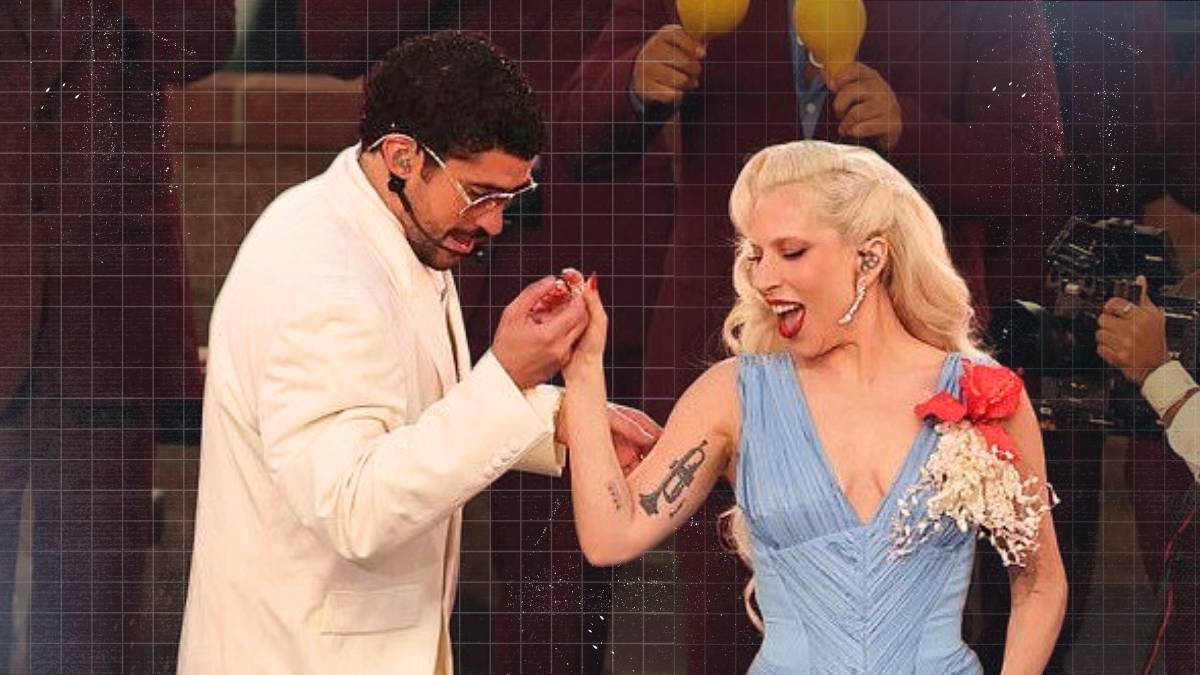
The Super Bowl LX halftime show, broadcast from Levi’s Stadium in Santa Clara, California, was a historic moment in many respects. It marked the first time a solo Latino artist — Bad Bunny — headlined the performance, bringing a vibrant cultural celebration to America’s biggest football audience. Gaga was among the surprise guests invited onstage, joining Bad Bunny and fellow legend Ricky Martin for a memorable blend of chart-topping hits and powerful live performance energy.
Gaga’s appearance culminated in a salsa-styled rendition of her song “Die with a Smile,” a moment that delighted fans and added stylistic flair to the show’s dynamic track list. Her presence wasn’t merely decorative — it was a nod to cross-genre collaboration and longstanding mutual respect between artists.
Online Reaction: The Rumor Mill Takes Over
Almost immediately after the broadcast, some commentators on social platforms began to speculate about Gaga’s appearance. A few users posted comments joking that she had “ozempic face” or that she looked like artificial intelligence, linking her facial features to weight-loss drug stereotypes.
This type of reaction reflects a broader trend in celebrity discourse online: where the narrative around a performance can be overtaken by comments on looks, age, or physical change. Unfortunately, that kind of speculation often overshadows the artistic achievements actually on display — especially when the artist is known for creative courage and reinvention, as Gaga is.
Importantly, there’s no confirmation from Gaga or her representatives that she has used Ozempic or any other medication. These rumors originated from social media memes and comments, not verifiable sources. Yet once released into the online ecosystem, they spread rapidly — a reminder of how quickly speculation can morph into trending topics, even absent evidence.
Gaga’s Response: Gratitude, Not Controversy
Rather than engaging with the rumors, Lady Gaga redirected the conversation to what truly mattered to her: music, collaboration, and respect for fellow artists. In a heartfelt post on Instagram after the performance, she expressed her gratitude to Bad Bunny for inviting her, calling it “an absolute honor” to be part of the show and praising the artistic vision and energy he brought to the stage.
Her comments focused on community, inclusion, and artistic unity — not physical appearance or tangential chatter. This response aligned with how Gaga has conducted herself across her career: with intentionality, integrity, and a refusal to let noise distract from purpose.
Why This Matters Beyond the Headlines
It’s worth unpacking why this controversy — which in another era might have been a harmless joke — gained traction. The answer lies in the modern media landscape, where public figures are scrutinized in ways that blend personal, artistic, and physical domains all at once.
In Lady Gaga’s case, she is an icon precisely because she embraces transformation — musically, visually, and thematically. From The Fame Monster to Joanne to Chromatica and beyond, Gaga has repeatedly reinvented her style and sound. Expecting a static or uniform look from an artist whose identity is defined by evolution isn’t just unrealistic — it misses the point of her innovation.
The fact that social media pundits latched onto “Ozempic face” speaks more to the internet’s obsession with appearance than to Gaga’s performance itself. And fortunately, Gaga chose not to amplify the distraction.
The Bigger Picture: Art versus Commentary
At the end of the day, Lady Gaga’s appearance at Super Bowl LX was artistic collaboration — a moment that celebrated musical diversity, culture, and stagecraft on a global platform. Bad Bunny’s leadership of the show, combined with guest appearances from Gaga and Ricky Martin, created a halftime performance that honored Latin music tradition while showcasing contemporary pop excellence.
The rumors? They were just noise — and Gaga’s response made sure that the conversation stayed rooted in what truly mattered: community, creativity, and respect between artists.