
Marcos Announces New Cash Assistance Program for 7.5 Million Filipino Households Amid Rising Oil Prices
Marcos Unveils New Cash Assistance Program as Rising Oil Prices Threaten Household Budgets
As global oil prices continue to climb amid geopolitical tensions in the Middle East, the Philippine government has announced a new financial assistance program aimed at helping millions of Filipino families cope with the expected increase in living costs.
President Ferdinand Marcos Jr. said the government will roll out a one-time cash assistance of up to ₱2,000 for approximately 7.5 million low-income households, including beneficiaries of the Pantawid Pamilyang Pilipino Program (4Ps), the Walang Gutom Program, and other qualified vulnerable sectors.
The announcement comes as governments around the world monitor the economic impact of higher fuel prices, which often translate into increased transportation costs and higher prices for basic goods.
Who Will Receive the Assistance?
According to the President's announcement, the assistance package includes:
Up to ₱2,000 one-time cash aid for 7.5 million eligible households, including:
Pantawid Pamilyang Pilipino Program (4Ps) beneficiaries
Walang Gutom Program beneficiaries
Other qualified low-income households
In addition, the government announced another form of assistance targeting workers.
Approximately 1.5 million low-income members of the Social Security System (SSS) and their families are expected to receive ₱2,000 per month beginning July until December, providing six months of financial support.
Government's Response to Global Oil Prices
The administration said the financial assistance is intended to cushion the effects of rising global oil prices, which have been influenced by continuing tensions in the Middle East.
Oil price increases typically affect almost every sector of the economy.
Higher fuel costs can lead to increased transportation fares, higher logistics expenses, and more expensive food and consumer products. For many low-income households, even modest increases in daily expenses can significantly strain already limited budgets.
The cash assistance program is designed to provide temporary relief while the government monitors developments in the global energy market.
Economic Relief or Short-Term Measure?
Government assistance programs often serve as immediate interventions during periods of economic uncertainty.
Supporters argue that direct cash transfers provide families with flexibility to address their most urgent needs, whether for food, transportation, medicine, or education.
Others note that while financial assistance may ease short-term burdens, long-term solutions will still depend on broader efforts to strengthen the economy, stabilize inflation, improve employment opportunities, and reduce vulnerability to external economic shocks.
The effectiveness of the program will likely depend on how quickly and efficiently the assistance reaches qualified beneficiaries.
What Happens Next?
Government agencies are expected to release detailed implementing guidelines, including:
Eligibility requirements
Distribution schedules
Payment methods
Verification procedures
Beneficiaries are advised to monitor official announcements from the Department of Social Welfare and Development (DSWD), the Social Security System (SSS), and other concerned agencies for further information.
Conclusion
The newly announced assistance package reflects the government's effort to soften the economic impact of rising fuel prices on vulnerable Filipino families.
As global economic conditions remain uncertain, millions of households will be watching closely to see how quickly the promised assistance is distributed and whether additional measures may be introduced if international oil prices continue to rise.
For many families, even temporary financial relief can make a meaningful difference during periods of increasing living costs.
Biblical Reflection
"Carry each other's burdens, and in this way you will fulfill the law of Christ." — Galatians 6:2 (NIV)
Public assistance can provide timely relief to families facing economic hardship. At the same time, wise stewardship calls for transparent implementation, responsible use of public funds, and policies that not only respond to immediate needs but also help create lasting opportunities for people to thrive.
Remulla Clears Cabral’s Driver, Raises ‘Red Flags’ vs Husband: Questions Deepen in Cabral Death Probe
December 23, 2025•5 min read
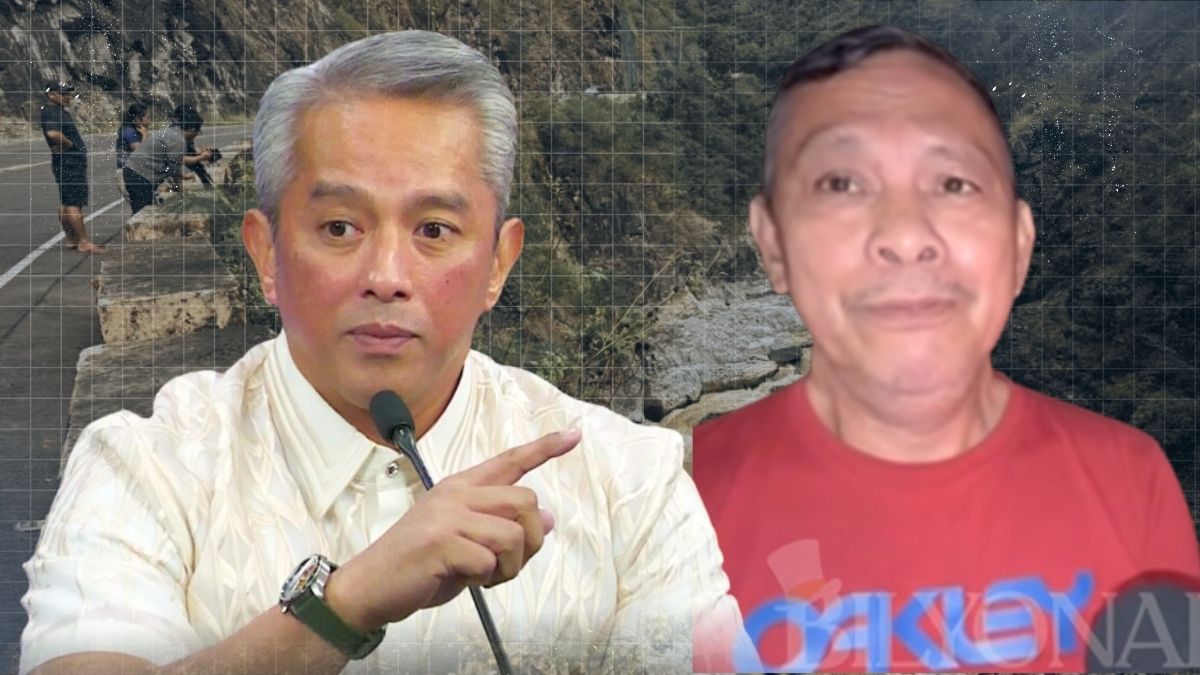
The investigation into the death of former Department of Public Works and Highways (DPWH) undersecretary Maria Catalina Cabral continues to raise difficult questions, as Interior Secretary Jonvic Remulla publicly cleared Cabral’s driver while pointing to what he described as “a lot of red flags” in the behavior of her husband.
Cabral was found lifeless on December 18 at the bottom of a deep ravine in Barangay Camp 8, Tuba, Benguet, after reportedly being dropped off by her driver along Kennon Road earlier that day. Authorities have said that, based on available evidence, the death is being treated as a “pointed suicide”, though investigations remain ongoing.

Driver Cleared After Questioning
According to Remulla, Cabral’s driver, Muñoz Hernandez, has been extensively questioned by authorities and is currently considered “clear and clean of everything” at this stage of the probe.
Hernandez told police that Cabral asked to be dropped off along the roadside at around 3 p.m. Two hours later, when she could no longer be contacted, he returned to look for her and eventually reported her missing. Cabral was later found unresponsive at around 8 p.m.
Remulla also confirmed that Hernandez’s cellphone is now being analyzed as part of standard investigative procedure. A photo taken by the driver — a selfie that included Cabral seated near the roadside barrier — later circulated online and drew public attention due to its timing and context. Authorities, however, said the image alone does not establish wrongdoing.
Focus Shifts to Husband’s Behavior
While clearing the driver, Remulla drew attention to the actions of Cabral’s husband, Caesar Cabral, saying his reactions raised concerns.
According to the Interior Secretary, the husband’s demeanor did not appear consistent with that of someone grieving. He also reportedly opposed an autopsy, believing his wife’s death was accidental — a position that authorities found unusual given the circumstances.
Despite the objection, an autopsy was conducted. Remulla said the results were consistent with blunt force trauma from a fall, with no signs of defensive wounds or indications of third-party involvement based on initial findings.
“What we know is that their relationship has been strained for a long time,” Remulla noted, adding that the couple had reportedly been living separately despite not being legally separated.
A Case Still Under Scrutiny
Cabral had resigned from the DPWH earlier this year after being linked to alleged irregularities in flood control and infrastructure projects — allegations she denied.
The ravine where she was found sits near an area connected to road works and quarry-related activity, further complicating the narrative. Local officials confirmed that documentation related to road quality, contractors, and rock-netting devices in the area has been forwarded to investigators.
Authorities have emphasized that while current findings point toward suicide, no angle is being prematurely closed, especially given the broader corruption issues surrounding infrastructure projects linked to Cabral’s former office.
Public Trust and Transparency
The contrasting developments — clearing the driver while casting doubt on the husband’s actions — have intensified public scrutiny. For many observers, the issue is no longer just about how Cabral died, but whether all relevant facts are being surfaced clearly and transparently.
As the investigation continues, officials insist that evidence, not speculation, will determine the final conclusions. Still, the case has underscored a recurring concern in high-profile deaths tied to governance and public funds: the need for credibility, consistency, and accountability at every stage of the process.
Until all findings are laid out in full, the questions surrounding Cabral’s death — and the circumstances leading up to it — remain firmly in the public eye.

Remulla at Asawa ni Cabral, Magkaiba ang Sinasabi: Nasaan ang mga Gadget at Cellphone?
Habang patuloy ang imbestigasyon sa pagkamatay ng dating DPWH Undersecretary na si Maria Catalina Cabral, lumutang ang isang seryosong tanong na hindi maaaring balewalain: nasaan ang kanyang mga personal na gamit—lalo na ang cellphone at laptop—at sino ang huling humawak nito?

Sa mga panayam na lumabas sa publiko, magkaiba ang sinasabi ng Interior Secretary Jonvic Remulla at ng asawa ni Cabral. At sa pagitan ng dalawang pahayag na ito, mas lalong lumalalim ang duda.
Ang Pahayag ni Remulla
Ayon kay Remulla, ang mga cellphone at laptop ni Cabral ay nasa pamilya, at kailangan pa raw itong hingin upang maisailalim sa pagsusuri.
“We’re asking it from the family kasi kinuha nila… the cellphone will be analyzed later… pati access sa laptop, but subject to subpoena ng Sandiganbayan, Ombudsman, o NBI.”
Sa pahayag na ito, malinaw ang sinasabi ng Kalihim:
✔️ May cellphone
✔️ May laptop
✔️ Nasa pamilya
✔️ Ipapasuri sa tamang proseso
Ngunit dito nagsisimula ang problema.
Ang Pahayag ng Asawa ni Cabral
Diretsahan namang itinanggi ng asawa ni Cabral ang ideya na may naibalik sa kanilang pamilya.
Ayon sa kanya:
“Ako hindi pa nakakita ng cellphone simula nung dumating ako… tsinelas na lang… kinausap ko anak ko, wala pa rin… wala silang gamit.”
Dagdag pa niya, wala raw anumang personal na gamit ang naibalik—walang cellphone, walang gadget, walang dokumento.
At kung totoo ito, lumalabas na walang hawak ang pamilya sa mga kritikal na ebidensyang binabanggit ni Remulla.
Dalawang Salaysay, Isang Tanong
Sa puntong ito, malinaw ang sitwasyon:
Sinasabi ng Kalihim: nasa pamilya ang gadgets
Sinasabi ng pamilya: wala silang natanggap ni isa
Hindi ito simpleng hindi pagkakaintindihan. Ang usapin ng cellphone at laptop ay kritikal dahil:
Maaari itong maglaman ng komunikasyon
Posibleng may ebidensya ng huling mga galaw
Mahalaga sa timeline at motive analysis
Kung wala ito sa pamilya, kanino ito napunta?
Chain of Custody: Nasaan ang Butas?
Sa bawat high-profile investigation, mahalaga ang chain of custody — sino ang unang humawak, sino ang sumunod, at nasaan ngayon ang ebidensya.
Ngunit sa kasong ito:
Walang malinaw na turnover
Walang inventory na inilabas sa publiko
Walang kumpirmasyon kung sino ang may hawak ngayon
At habang patuloy na ipinapasa ang tanong mula gobyerno patungong pamilya — at pabalik — ang katotohanan ay naiipit sa gitna.
Hindi Ito Tsismis, Ito ay Due Process
Hindi ito usapin ng paninisi. Ito ay usapin ng transparency.
Kung ang cellphone at laptop ay mahalaga sa imbestigasyon, dapat malinaw:
Nasaan ito ngayon
Kailan ito huling nakita
Sino ang may responsibilidad dito
Kung hindi ito malinaw, masisira ang tiwala ng publiko — hindi lang sa kasong ito, kundi sa buong sistema ng hustisya.
Ang Tanong ng Bayan
Sa huli, iisa ang tanong ng taumbayan:
Kung magkaiba ang sinasabi ng Kalihim at ng pamilya, sino ang nagsasabi ng totoo?
At mas mahalaga:
Nasaan ang ebidensya?
Hangga’t walang malinaw na sagot, mananatiling bukas ang tanong — at hindi ito mawawala sa isip ng sambayanan.