Mark Zuckerberg Faces Landmark Social Media Addiction Trial
Tech billionaire Mark Zuckerberg arrived at court this week to defend his company in what experts are calling a historic legal battle over social media addiction.
The case, described by legal analysts as a potential turning point for the tech industry, centers on allegations that Meta’s platforms — including Facebook and Instagram — were knowingly designed to foster addictive behavior, particularly among minors.
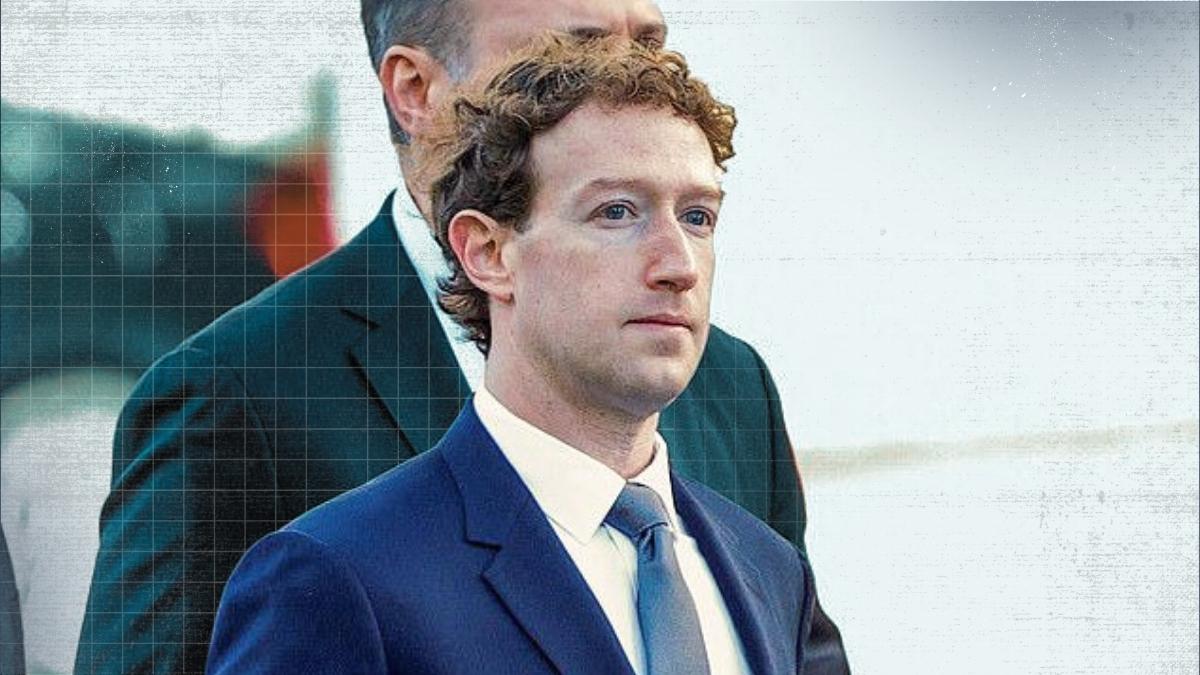
Zuckerberg’s courtroom appearance immediately captured media attention, with commentators noting his noticeably ill-fitting suit — a subtle yet symbolic contrast to his usual polished corporate image. But while social media buzzed about fashion choices, inside the courtroom, the stakes were far more serious.
⚖️ What the Lawsuit Is About
The trial alleges that Meta’s algorithms were engineered to maximize engagement at the expense of user well-being. Plaintiffs argue that features such as infinite scrolling, push notifications, and algorithm-driven content feeds contributed to:
Anxiety and depression among teenagers
Sleep disruption
Body image issues
Compulsive platform use
Lawyers for the plaintiffs claim internal documents show awareness of potential harm — yet insufficient action to prevent it.
Meta strongly denies these allegations.
In previous public statements, the company has emphasized investments in parental controls, screen-time reminders, and content moderation improvements. Meta argues that responsibility also lies with users, parents, and broader digital literacy systems.
📱 Why This Trial Matters
This is not just another corporate lawsuit.
Legal experts say the outcome could reshape:
How tech companies design algorithms
Government regulation of digital platforms
Liability standards for social media harm
Youth protection laws globally
If the court sides with plaintiffs, tech giants could face tighter oversight and potential financial penalties.
If Meta prevails, it may reinforce existing protections under laws that shield tech companies from liability for user content.
Either way, the decision will ripple far beyond Silicon Valley.
🧠 The Bigger Debate: Addiction or Engagement?
The term “addiction” itself is central to the case.
Psychologists are divided.
Some argue that social media platforms use behavioral reinforcement systems similar to gambling mechanisms — intermittent rewards, dopamine triggers, and variable content cycles.
Others caution that “addiction” may oversimplify complex social and emotional dynamics.
For Zuckerberg and Meta, the legal argument focuses on user choice. The defense maintains that users voluntarily access platforms and can log off at any time.
Critics respond that algorithmic systems are specifically engineered to make logging off difficult.
💼 Zuckerberg’s Public Persona Under Scrutiny
Zuckerberg has faced congressional hearings before — but a courtroom trial carries different implications.
Unlike congressional questioning, which often becomes political theater, this case involves legal evidence, sworn testimony, and potential financial consequences.
Observers noted Zuckerberg’s subdued demeanor as he entered the courthouse. Analysts say the CEO’s physical presence signals Meta’s recognition of the case’s seriousness.
The trial could also impact investor confidence and Meta’s long-term reputation.
🌍 Global Implications
Governments worldwide are watching closely.
In Europe, regulators have already introduced stricter digital platform laws under the Digital Services Act. In the U.S., debates over Section 230 protections continue.
Countries in Asia and Latin America are also exploring youth-focused digital safety frameworks.
A landmark ruling in this case could accelerate regulatory changes globally.
📊 The Business Side
Meta remains one of the most powerful tech companies in the world, with billions of active users across its platforms.
But as competition rises from emerging platforms and AI-driven ecosystems, reputational damage could affect:
Advertising partnerships
Brand trust
Regulatory relationships
Future product launches
The courtroom battle is therefore not just about accountability — it’s about the future structure of digital capitalism.
🔍 What Happens Next?
The trial is expected to span several weeks, with expert testimony from psychologists, tech analysts, and former employees.
A verdict may not arrive quickly.
But whatever the outcome, this case represents a critical chapter in the ongoing debate over technology, mental health, and corporate responsibility.
Epstein Files’ Photo Shows 2015 Dinner Party With Elon Musk, Mark Zuckerberg, and Peter Thiel
A Resurfaced Image Reignites Old Questions
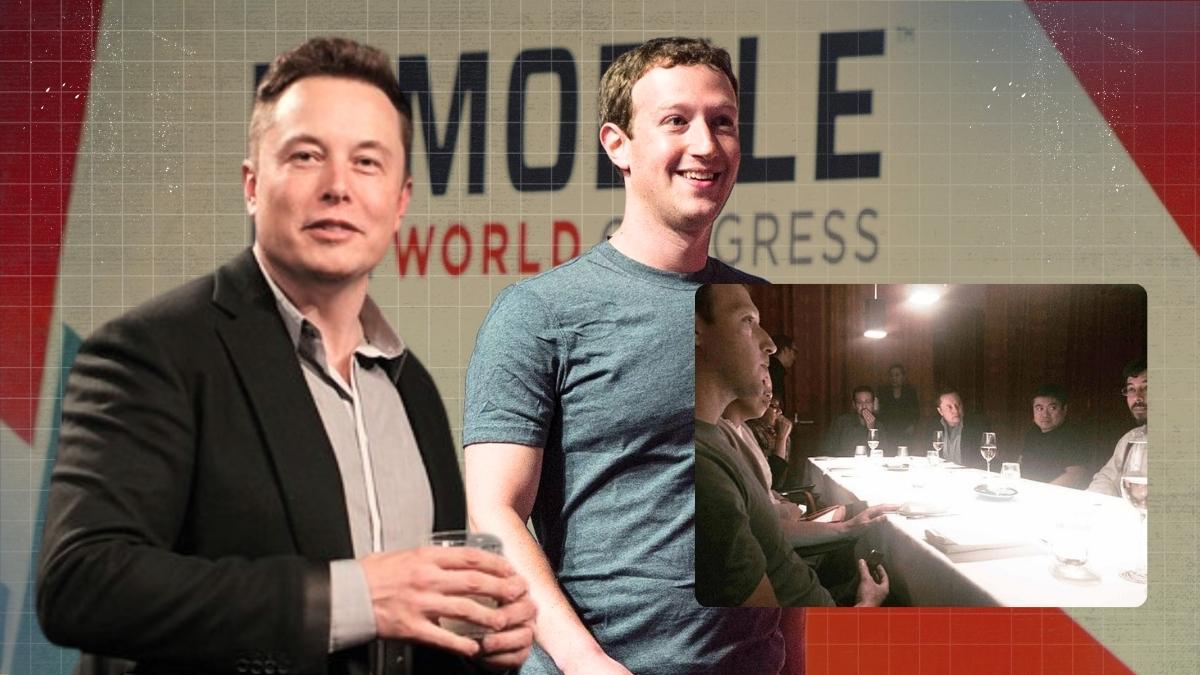
A photograph circulating as part of the Epstein files has drawn renewed attention after showing a 2015 dinner gathering that allegedly included Elon Musk, Mark Zuckerberg, and Peter Thiel.
The image, now widely shared online, is being cited as evidence of a social encounter linked to Jeffrey Epstein, whose past associations continue to surface years after his death.
What the Photo Does—and Does Not—Show
Importantly, the photograph does not indicate wrongdoing by those pictured. At most, it documents a social or professional gathering at a time when Epstein still moved within elite circles of business, politics, and academia.
All three tech figures have previously stated—directly or through representatives—that they had limited or no meaningful relationship with Epstein. In past reporting:
Elon Musk has said he declined Epstein’s invitations and cut off contact.
Mark Zuckerberg has denied ever meeting Epstein.
Peter Thiel has acknowledged brief, non-substantive contact in the past.
The resurfaced image has nonetheless fueled speculation online, largely driven by the public’s continued interest in mapping Epstein’s network of associations.
Why These Images Keep Resurfacing
The release of Epstein-related documents and materials has led to renewed scrutiny of high-profile figures who may have crossed paths with him—sometimes tangentially, sometimes unknowingly.
Experts note that during the 2000s and mid-2010s, Epstein cultivated access to influential circles, often exaggerating his importance. Being photographed at the same event does not necessarily imply friendship, endorsement, or awareness of later-revealed crimes.
Public Reaction: Skepticism and Caution
Online reactions have ranged from curiosity to outrage, though many commentators urge caution. Legal analysts and journalists stress the importance of distinguishing proximity from complicity, especially when images lack context.
As with many Epstein-related revelations, the key question remains not who was in the room, but what actually occurred—and whether there is evidence beyond association.
The Broader Impact
The ongoing release of Epstein files underscores a larger issue in the digital age: how historical images and partial records can reignite narratives without providing full clarity.
For now, the resurfaced photo adds to the archive of Epstein-era material—but stops short of proving any misconduct by those shown.