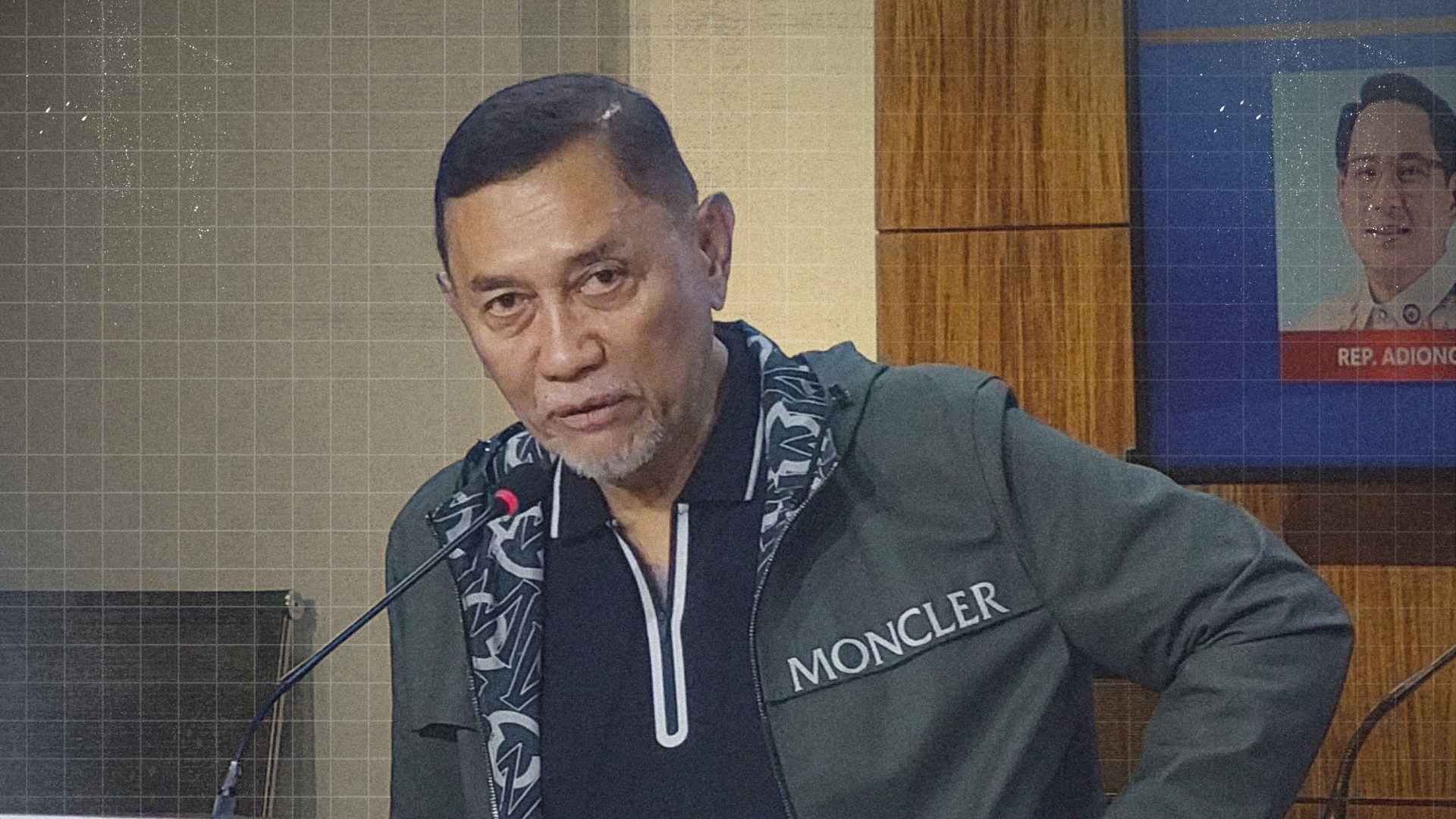
Napuyat Para sa Impeachment? Rep. Benny Abante Pushes Legal Basis vs VP Sara Duterte
The political temperature just went up again — and this time, it’s not just rhetoric. It’s law, sleepless nights, and a battle of legal interpretation.
Benny Abante, representative of Manila’s 6th District, openly admitted that he has been losing sleep — not because of politics alone, but because of studying the law. His goal? To firmly establish whether Sara Duterte can be impeached over actions tied to her time as Secretary of the Department of Education.
According to Abante, this is not a simple issue of position — it’s about accountability.
“Napupuyat ako sa pag-aaral,” he admitted, emphasizing the seriousness of the legal debate.
This came as a direct response to Rufus Rodriguez, who argued that the Department of Education Secretary is not an impeachable position. On the surface, that argument seems straightforward. But Abante is pushing a deeper interpretation — one that could reshape how accountability works in Philippine governance.
🔍 Here’s what this really means…
Abante introduced what he calls the “Single Personality Doctrine.”
In simple terms:
A public official does not switch identities depending on the role they are performing.
Whether acting as Vice President or as a Cabinet Secretary, the individual remains the same constitutional officer.
“You are not impeaching a Secretary. You are impeaching the Vice President.”
That statement alone changes the entire playing field.
If accepted, it means actions taken in any government role could be used as grounds for impeachment — as long as the person holds an impeachable office.
⚖️ This raises a bigger issue…
Where do we draw the line on accountability?
If officials can separate their roles, they may avoid consequences by shifting positions. But if Abante’s argument holds, it sends a strong message:
👉 Public service is continuous.
👉 Responsibility does not reset with a new title.
This is where the concept of “betrayal of public trust” becomes critical. It’s one of the broadest and most powerful grounds for impeachment — and also one of the most debated.
Abante insists that even if the allegations are tied to actions outside the Vice Presidency, they still fall within impeachment jurisdiction because the person remains an impeachable official.
💬 Public Reaction (What People Are Saying)
Online reactions are split — and intense.
Some netizens are praising Abante for doing the “hard work” and digging into constitutional law instead of relying on political narratives.
Others, however, see this as a stretch — a legal maneuver that could open the floodgates for politically motivated impeachment cases in the future.
And of course, supporters of VP Sara Duterte are pushing back hard, calling the move unnecessary and divisive.
📊 Why this matters…
This is no longer just about one official.
This debate could define:
How impeachment works in future cases
Whether officials can be held accountable across multiple roles
The true scope of “public trust” in Philippine law
If Abante’s interpretation gains traction, it could become a legal precedent — one that future Congresses might use again and again.
🧠 Closing Thought
At the end of the day, this isn’t just a legal debate — it’s a test of how seriously the system takes accountability.
One side says: stick to strict definitions.
The other says: look at the bigger picture of responsibility.
And somewhere in between, the Filipino people are watching closely.
Because whether you support or oppose it…
this kind of debate shapes the future of governance.
₱1.265B DPWH Allocation Puts Abante District at the Top in Manila
A graphic circulating online shows that the district represented by Benny Abante received ₱1.265 billion in DPWH allocable funds, reportedly the largest allocation among Manila districts, based on publicly shared budget figures dated December 25, 2025.
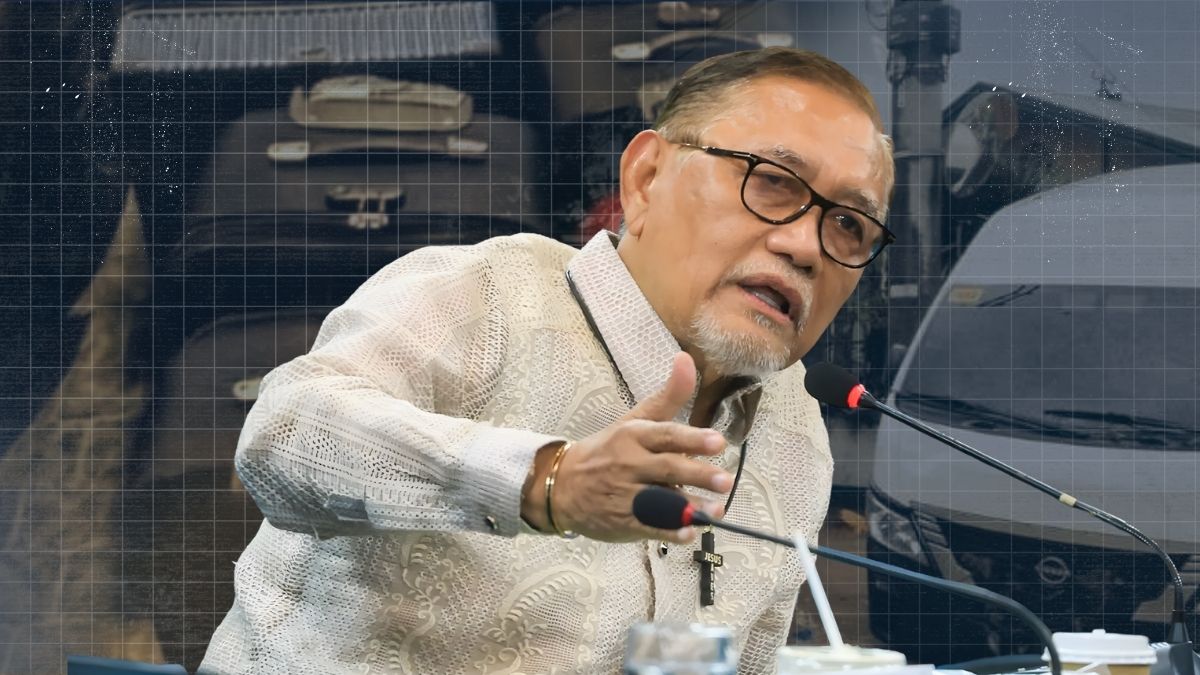
The image, shared by multiple users on social media, has triggered intense public reaction—particularly amid renewed scrutiny of DPWH allocations and the broader debate on budget insertions, transparency, and accountability in infrastructure spending.
While the allocation figure itself is being cited in graphics and online posts, no court ruling or official finding has established criminal wrongdoing related to the funds shown. However, the amount has become a focal point for public criticism, especially as citizens continue to demand clearer explanations on how allocable funds are distributed across districts.
The post accompanying the image contains strong personal accusations and inflammatory language, reflecting public anger rather than verified conclusions. These statements represent opinions of the individual user and are not judicial or investigative findings.
What the image underscores is a growing demand for:
clearer breakdowns of DPWH allocable funds,
public disclosure of project lists per district,
and stronger institutional transparency to prevent misuse or misinterpretation.
As public discourse intensifies, the central issue remains unchanged: how public funds are allocated, monitored, and explained to the Filipino people—especially when figures reach the billion-peso level.