“No More ‘Savior’? Leni Robredo’s Statement Sparks Bigger Debate on Leadership”
A Shift in Tone… or a Shift in Strategy?
A quiet but meaningful shift in political messaging is unfolding — and it’s not loud, but it’s deliberate.
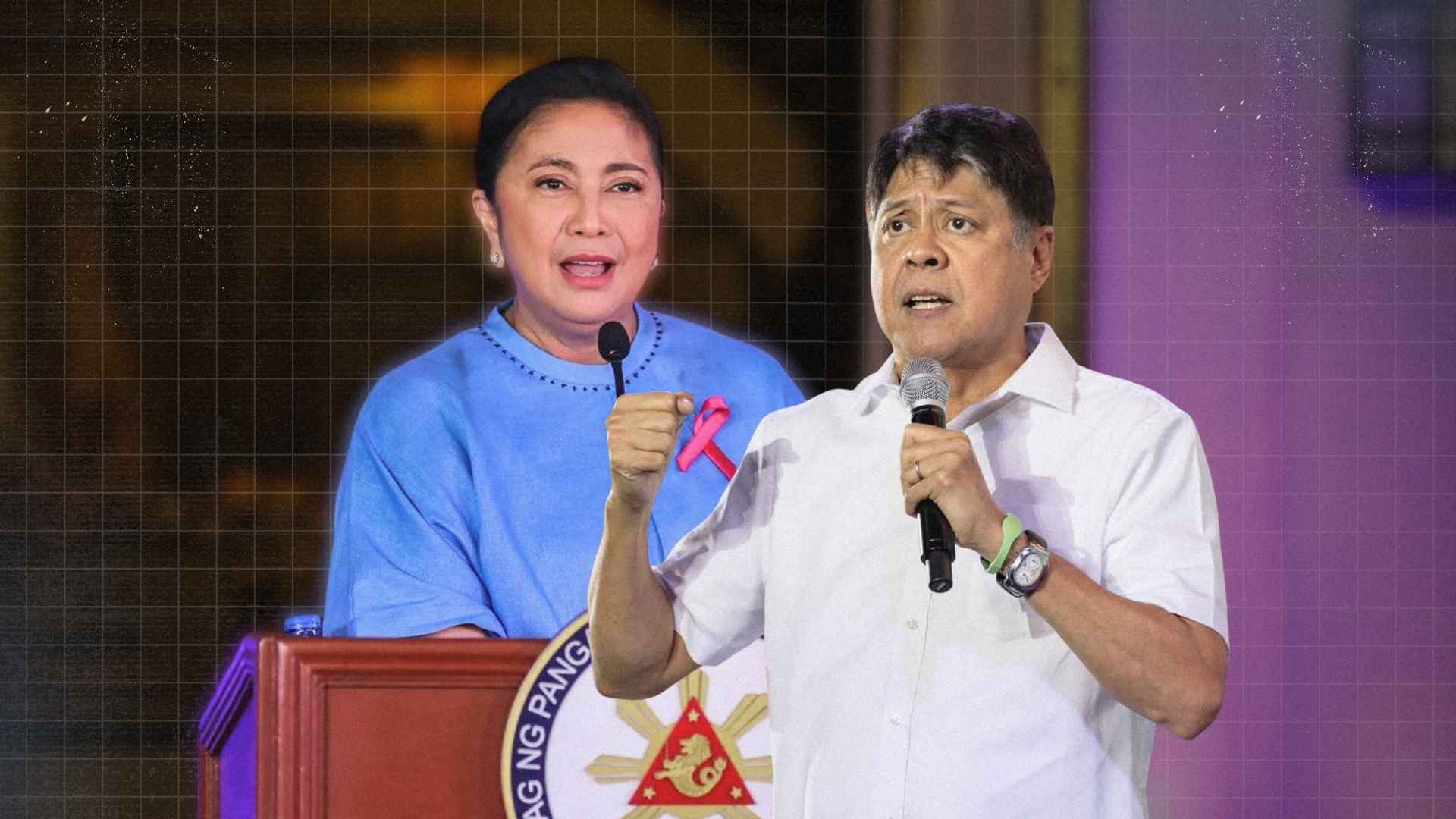
Following remarks from Leni Robredo urging an end to what she described as “savior politics,” Kiko Pangilinan emphasized a different direction: the need for “winnable, achievable” solutions to the country’s current problems.
At first glance, it sounds like a simple call for practicality. But underneath that message lies something deeper — a reframing of how leadership is being presented to the Filipino people.
Viral Summary: What Was Said
According to reports, Pangilinan clarified that his focus is not on grand promises, but on solutions that can realistically be delivered.
This comes shortly after Robredo’s statement that the country should move away from relying on a single “savior” figure — a concept long embedded in Philippine political culture.
Her announcement that she will not run for any national post in the 2028 elections further reinforces this direction.
Here’s What This Really Means…
This is not just about messaging — it’s about positioning.
When leaders talk about ending “savior politics,” they are essentially shifting responsibility back to the people. The narrative becomes:
👉 “The solution is collective.”
👉 “The leader is not the answer — the system and people are.”
But here’s where it gets interesting.
This raises a bigger issue…
If leadership is no longer about a strong central figure, then what fills that vacuum?
Because in reality, people don’t just look for systems — they look for direction, clarity, and accountability.
And history shows that during uncertain times, nations naturally gravitate toward leaders who project decisiveness and control.
Analysis: Strategy or Reality?
There are two ways to interpret this shift:
1. Strategic Rebranding
Moving away from “savior politics” could be an attempt to reshape public expectations — especially after previous election cycles where personality-driven campaigns dominated.
2. Admission of Political Reality
Or, it could signal recognition that winning future elections may require a different approach — one grounded in smaller, tangible promises rather than sweeping national transformation.
Either way, the messaging is evolving.
And when messaging changes, it usually means the political battlefield is also changing.
Public Reaction: Mixed but Curious
Online reactions have been divided:
Some agree that relying on one leader is outdated
Others question whether collective responsibility dilutes accountability
Many are simply watching, waiting for what comes next
Because for ordinary Filipinos, the question is simple:
👉 “Who delivers results?”
Why This Matters…
Leadership narratives shape expectations.
And expectations shape votes.
If the country moves away from “savior politics,” it doesn’t remove the need for strong leadership — it simply changes how that leadership is presented.
In the end, Filipinos don’t just want ideas.
They want outcomes.
Closing Thought
The conversation may now be about systems, people, and shared responsibility.
But one truth remains constant:
In times of uncertainty, clarity still wins.
And whoever provides that clarity — quietly or boldly — will shape what comes next.
📖 BIBLE VERSE
📖 Psalm 118:8 (NIV)
“It is better to take refuge in the Lord than to trust in humans.”
Exegesis (Simple but Deep)
This verse reminds us that while leaders come and go, ultimate trust should not be placed solely in human figures. Systems may fail, leaders may change, but faith grounds discernment.
👉 Application:
Whether in politics or life, wisdom comes from not blindly following personalities — but from seeking truth, accountability, and higher guidance.
Sonny Angara Pushes Back: “Huwag N’yong Idamay ang Patay Para sa Politika.”
November 27, 2025•1 min read
MANILA, Philippines — Education Secretary Sonny Angara has broken his silence and slammed what he calls “baseless and unfounded” attempts to link his late father, former Senate President Edgardo Angara, to budget insertion kickback schemes — with anonymous sources branding it the so-called “Angara 5.”

Pero nang buksan ang listahan, ang unang tanong ng tao:
“Ang dami n’yong siningit na pangalan… pero bakit walang malinaw na koneksyon?”
Out of all five names mentioned, only one — Trygve Olav “Ole” Olav — ever worked under Sonny Angara, and even that fact does not support any corruption scheme. The rest? From different agencies, different eras, different administrations.
Parang pilit pinagtagpi-tagpi ang mga piraso na hindi naman magkakadugtong.
Ang linya ng Angara camp?
“We can take demolition jobs, but don’t drag people who can’t defend themselves. My father is gone. You can’t malign someone who can’t answer anymore.”
This is where the picture becomes clearer.
At a time when the country is drowning in budget controversies, kickback testimonies, and political blame ping-pong, some are trying to rewrite history by reviving names of the deceased — as if the dead can magically play a role in 2025 scandals.
Kung may corruption, ilabas ang ebidensya.
Kung may kickback, ilabas ang dokumento.
Kung wala?
Then this is not accountability — this is necro-politics.
And as we always say at Politikanta Minute:
“When accusations stretch beyond logic, someone’s narrative is getting desperate.”