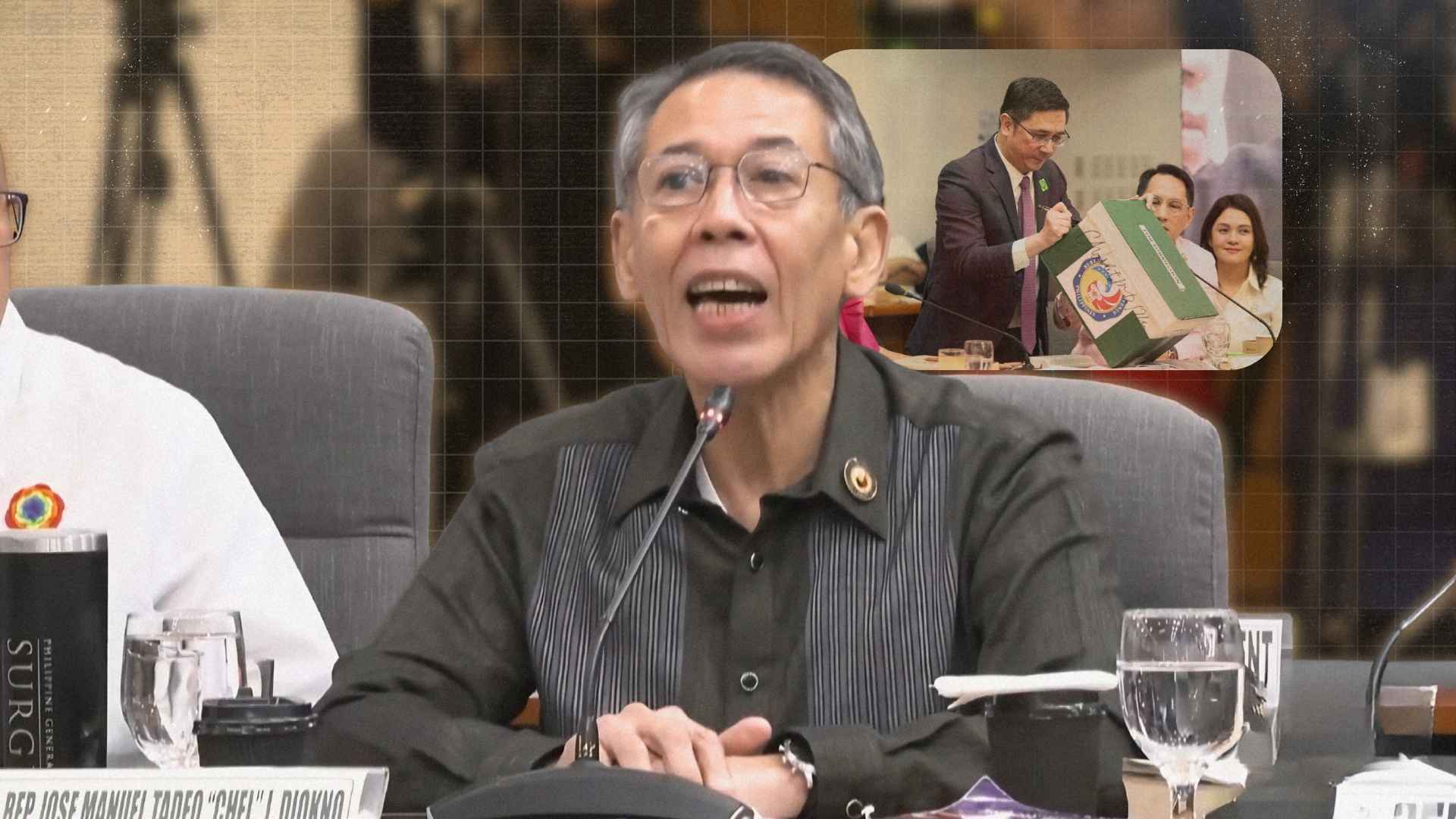
“Not Yet”: Diokno Urges Caution on Duterte Tax Records
Call for Caution: Diokno Says Opening Records Should Be Left to Senate
A contrasting position has emerged in the ongoing debate over the release of sensitive records, as Akbayan Rep. Chel Diokno expressed opposition to immediately opening the box containing tax records linked to Vice President Sara Duterte and her husband, Atty. Mans Carpio.
Diokno emphasized that, “out of an abundance of caution,” it would be more prudent to leave the decision to the Senate acting as an impeachment court.
What’s Being Proposed
The issue centers around whether to open and examine tax-related documents during current proceedings—or to defer that decision to a later stage under the Senate’s authority.
Interestingly, Diokno noted that his position differs from that of fellow lawmaker Leila de Lima, who had earlier pushed for opening the records.
That divergence alone highlights how complex the situation has become.
Here’s What This Really Means…
This is no longer just a question of transparency.
It’s now a question of timing and jurisdiction.
👉 Not if the records should be opened
👉 But when—and by whom
And that distinction matters more than most people realize.
This Raises a Bigger Issue…
In high-level proceedings like impeachment, process is not just formality—it’s protection.
By suggesting that the Senate impeachment court handle the matter, Diokno is pointing to a more structured and legally defined environment for reviewing sensitive evidence.
That approach raises a key question:
👉 Is immediate transparency always the best move?
👉 Or can timing affect fairness?
Public Reaction: A Split Narrative
What makes this moment powerful is the contrast.
On one side:
👉 Calls to open the box now in the name of transparency
On the other:
👉 Calls to wait and follow process in the name of caution
And for the public, this creates a dilemma:
👉 Which approach protects truth better?
Why This Matters
This isn’t just about documents.
It’s about how institutions function under pressure.
Should lawmakers act immediately when evidence is available?
Or should they defer to formal processes to avoid legal complications?
The answer could shape not just this case—but future proceedings as well.
Here’s Where It Gets Interesting…
Diokno’s position adds a layer of unpredictability.
When even allies or expected voices differ, it signals that the issue is not purely political—it’s procedural, legal, and strategic.
And that makes it harder for the public to categorize the situation in simple terms.
The Bigger Picture
This debate reflects a deeper reality in governance:
👉 Transparency and due process are not always in sync.
Sometimes they move together.
Sometimes they clash.
And when they do, decisions become more complicated.
Closing Thought
So now the question shifts:
👉 Open the records now?
👉 Or wait for the Senate to decide?
Because in moments like this, the issue is no longer just about what is revealed—
👉 It’s about when truth is allowed to be revealed.
✝️ EXEGESIS BIBLE VERSE
Ecclesiastes 8:6 (KJV)
“Because to every purpose there is time and judgment…”
Reflection:
This verse reminds us that timing is part of wisdom. In complex matters, knowing when to act is just as important as knowing what is right.
Cabral Files Go Public: Billions in DPWH Allocations Now Exposed
December 26, 2025•1 min read
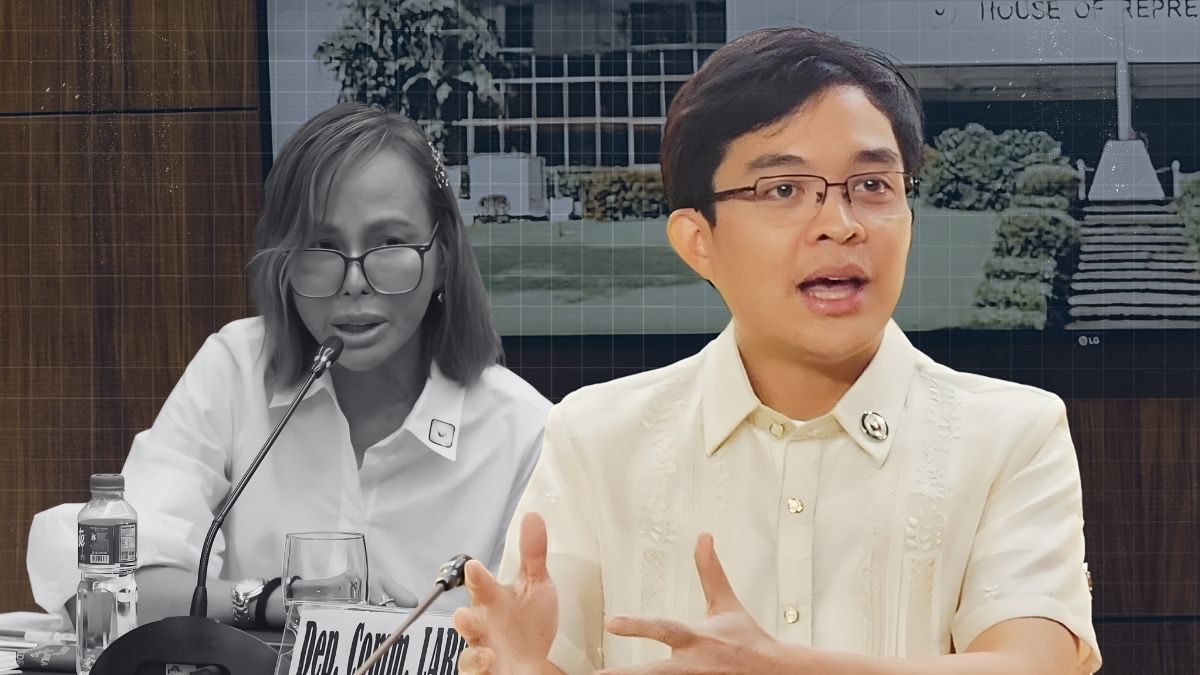
Batangas 1st District Rep. Leandro Legarda Leviste has released a new set of documents detailing Department of Public Works and Highways (DPWH) budget allocations from 2023 to 2026, broken down by region and congressional district.

According to Leviste, the documents were originally provided by the late former DPWH Undersecretary Maria Catalina Cabral and were made public to clarify how infrastructure funds were distributed nationwide. The files outline allocations that, when translated to household impact, amount to roughly ₱15,000 per Filipino family, based on the ₱3.5 trillion total cited.
The data shows that funding varied significantly by region, with major allocations going to Central Luzon, CALABARZON, the National Capital Region, and parts of Mindanao. Metro Manila districts also ranked among the highest recipients, with several districts receiving allocations exceeding ₱20 billion over the period.
Leviste emphasized that the documents reflect allocations approved through DPWH processes, including endorsement by department leadership, and were released amid heightened public scrutiny over budget insertions and infrastructure spending.
The disclosure follows ongoing debates in Congress and the public sphere regarding transparency, accountability, and the role of lawmakers and agencies in shaping the national budget—particularly in flood control and public works projects.
With the data now accessible, attention shifts from speculation to verification: who benefited most, how funds were prioritized, and whether public outcomes matched the scale of spending.