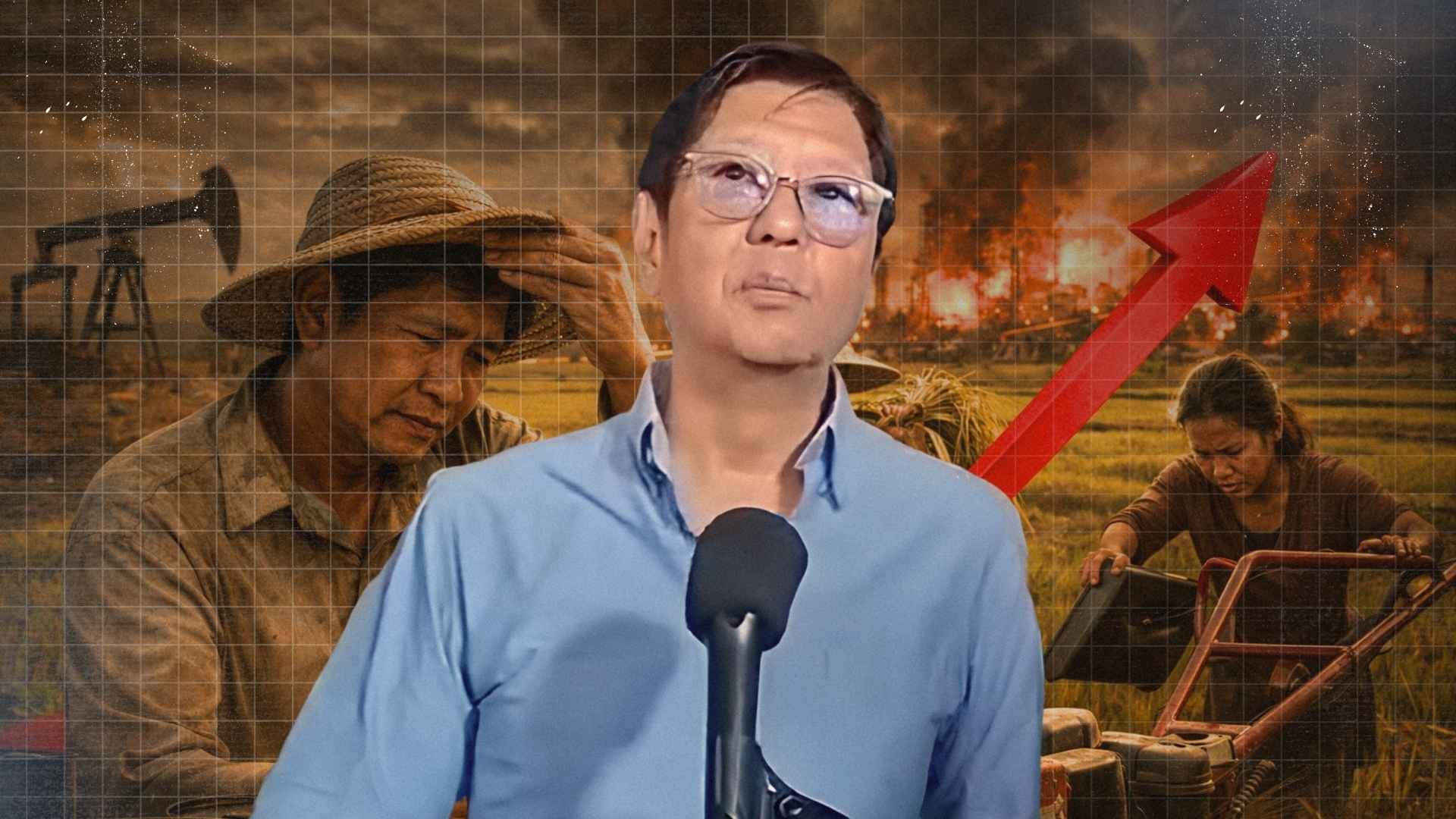
Oil Crisis Hits Farmers—Marcos Details Immediate Actions to Protect Food Supply
MANILA, Philippines — Amid rising fuel costs affecting agricultural supply chains, President Ferdinand Marcos Jr. outlined a series of measures aimed at stabilizing food distribution and easing the burden on farmers and transporters.
According to the President, the government was alerted to a concerning development:
👉 Vegetables from key areas like Benguet were no longer being transported regularly due to high diesel prices.
The impact was immediate—and potentially dangerous.
Less transport means:
Reduced supply
Higher prices
Greater strain on consumers
📌 Here’s what this really means…
Instead of waiting, the administration moved with targeted interventions.
Among the actions taken:
Diesel prices effectively reduced by ₱10 through intervention measures
Local government fees temporarily waived
Trucking charges removed to ease logistics costs
Support programs extended to drivers via DOLE’s TUPAD initiative
These are not long-term reforms—
But they are short-term pressure releases.
⚖️ This raises a bigger issue…
The President acknowledged a critical reality:
👉 The crisis is largely driven by external factors—particularly global oil price movements linked to geopolitical tensions.
That matters.
Because it reframes the debate:
Is the issue:
Government failure?
orA global shock requiring mitigation?
The answer is likely somewhere in between.
🧠 Why this matters…
Food supply is not just an economic issue—it’s a national stability issue.
If transport stops:
Farmers lose income
Markets lose supply
Prices surge uncontrollably
The government’s approach, as described, focuses on keeping the system moving:
👉 Ensure supply
👉 Ease burden
👉 Stabilize prices
Even temporarily.
🗣️ Public Reaction
Reactions are mixed.
Some see the measures as immediate and necessary—proof that the government is responsive under pressure.
Others argue that short-term fixes are not enough and that deeper structural solutions are still needed.
And both sides have a point.
Closing Thought
In times of crisis, there are always two narratives:
One highlights what’s wrong.
The other focuses on what’s being done.
But for ordinary Filipinos—
👉 What matters most is simple:
Is help felt… or just heard?
📜 Scripture
Proverbs 21:5
"The plans of the diligent lead surely to abundance…"
🔍 Exegesis (Contextual Meaning)
This verse emphasizes intentional action and careful planning.
It teaches that:
Results come from deliberate effort
Crisis requires thoughtful response
Quick action must still be guided by wisdom
🧠 Application
In governance:
✔ Action is necessary
✔ Planning is critical
✔ Consistency determines impact
Because in the end—
Relief is not measured by announcements…
👉 But by results felt on the ground.
Late Discovery or Early Negligence? PBBM’s ‘Binulgar’ Moment Under Scrutiny
President Marcos Jr. recently announced that he “discovered” millions worth of flood control equipment that had been purchased under the previous administration but ended up unused and stored for years.

But the timeline raises a fair question:
Why only now?
The equipment was purchased in 2018 —
but for the last three years, the current administration had full authority to audit, inspect, and deploy them. These machines could have supported response efforts during recent disasters, yet they remained untouched.
The late timing of the revelation has led many to wonder whether the announcement is a discovery…
or a distraction.
True accountability includes recognizing what should have been done sooner.
Revelation is good —
but late revelation invites scrutiny.