
Ombudsman Remulla Warns Officials: "Maging Disente Naman Tayo" Amid Flood Control Probe
"MAGING DISENTE NAMAN TAYO" — OMBUDSMAN REMULLA NANAWAGAN SA MGA OPISYAL NG GOBYERNO
Nanawagan si Ombudsman Jesus Crispin Remulla sa mga opisyal ng pamahalaan na iwasan ang anumang conflict of interest at panatilihin ang mataas na antas ng integridad sa serbisyo publiko habang nagpapatuloy ang imbestigasyon sa mga umano'y iregularidad sa mga flood control project.
Sa kanyang programa sa radyo nitong Sabado, iginiit ni Remulla na panahon na upang itigil ang paghahalo ng pansariling interes at pampublikong tungkulin.
"Itong conflict of interest, tigilan na natin. Let's set a standard in our country of decency. Maging disente naman tayong mga tao. Tama na 'yan," ani Remulla.
Negosyo at Pulitika, Hindi Dapat Pagsabayin
Binigyang-diin ng Ombudsman na walang masama sa pagnenegosyo, ngunit hindi ito dapat makaapekto sa pagiging patas at tapat ng isang opisyal ng pamahalaan.
Ayon sa kanya, ang bawat lingkod-bayan ay may obligasyong tiyaking ang kanilang mga personal na interes ay hindi sumasalungat sa kanilang pampublikong tungkulin.
Mas Marami Pang Iniimbestigahan
Inihayag din ni Remulla na hindi lamang mga party-list representative ang saklaw ng kasalukuyang imbestigasyon.
Ayon sa Ombudsman, kabilang din sa sinusuri ang ilang district congressmen na umano'y naging government contractor, gayundin ang hindi bababa sa walong contractor na iniimbestigahan kaugnay ng mga hinihinalang iregularidad sa flood control projects.
Patuloy pa rin ang pangangalap ng ebidensiya habang isinasagawa ang imbestigasyon.
Reportorial Commentary
Ang pahayag ni Ombudsman Remulla ay isang panawagan para sa mas mataas na pamantayan ng integridad sa serbisyo publiko. Ang conflict of interest ay matagal nang isinusulong na isyu sa usapin ng good governance dahil maaaring makaapekto ito sa pagiging patas ng mga desisyon ng mga opisyal ng gobyerno.
Samantala, ang mga kasalukuyang imbestigasyon ay nananatiling nasa yugto ng pagsusuri. Ang anumang pananagutan ng mga indibidwal na sinisiyasat ay nakasalalay pa rin sa magiging resulta ng due process at sa mga ebidensiyang maihaharap ng mga awtoridad.
📖 Exegesis Bible Verse
"Whoever walks in integrity walks securely, but whoever takes crooked paths will be found out." — Proverbs 10:9 (NIV)
Context
Itinuturo ng Kawikaan 10:9 na ang taong namumuhay nang may integridad ay may kapanatagan dahil ang kanyang mga kilos ay tapat at walang itinatago. Sa kabilang banda, ang mga gumagawa ng lihim o baluktot na paraan ay kalaunan ding nahahayag.
Sa usapin ng pampublikong serbisyo, ang talatang ito ay nagpapaalala na ang integridad ay hindi lamang usapin ng pagsunod sa batas kundi ng pagpapanatili ng tiwala ng publiko. Anuman ang resulta ng kasalukuyang mga imbestigasyon, mahalaga pa ring igalang ang due process habang isinusulong ang pananagutan at mabuting pamamahala.
Quick and Solid—But Is It Deep Enough? When Anti-Corruption Meets the Global Stage
December 17, 2025•1 min read
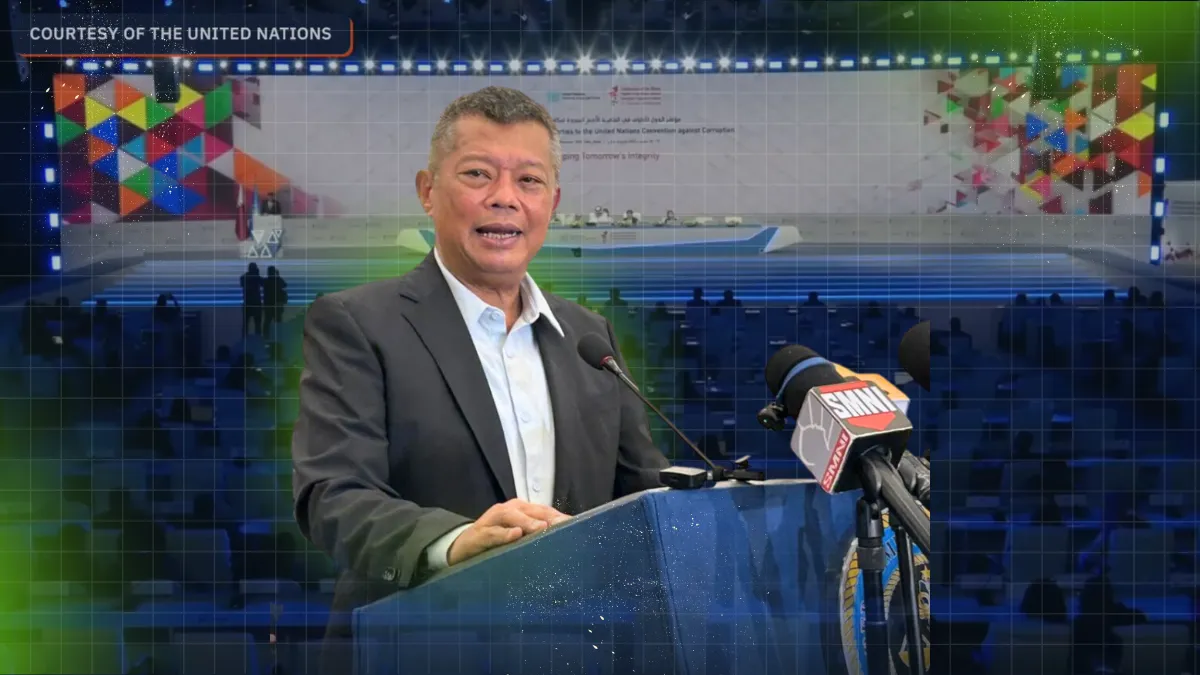
Ombudsman Crispin ‘Boying’ Remulla declared before the international community that the Philippine government’s response to the flood-control corruption mess has been “quick and solid.”

Speaking at the United Nations Convention against Corruption (UNCAC) in Doha, Remulla said systemic corruption in flood-control projects had been uncovered, evidence evaluated, and charges filed—placing several high-level officials before the Sandiganbayan.
On the world stage, the message was clear:
The Philippines is acting.
The Philippines is accountable.
The Philippines is serious.

The Eagle listens—but also measures.
📖 “It is not good to have zeal without knowledge.” — Proverbs 19:2
Because speed alone does not define justice.
And announcements do not replace outcomes.
Yes, cases were filed.
Yes, names reached court.
Yes, systems were discussed.
But Filipinos at home are asking a harder question:
Is accountability reaching the architects—or only the implementers?
Flood-control corruption did not emerge overnight. It grew through years of weak oversight, recycled contractors, padded costs, and convenient approvals. Dismantling such a system requires more than quick action—it requires sustained prosecution, convictions, and reform that survives political seasons.
Remulla himself admitted there is still more work to do. That admission matters.
Because true anti-corruption work is not proven in conferences—but in court rulings, recovered funds, and permanent safeguards that prevent the same abuse from returning under new names.
The Agila does not dismiss progress.
But it does not confuse presentation with completion.
Global applause fades.
Domestic accountability remains.