Ombudsman to File Cases for Preliminary Investigation Against Rep. Edwin Gardiola
Ombudsman Announces Planned Preliminary Investigation
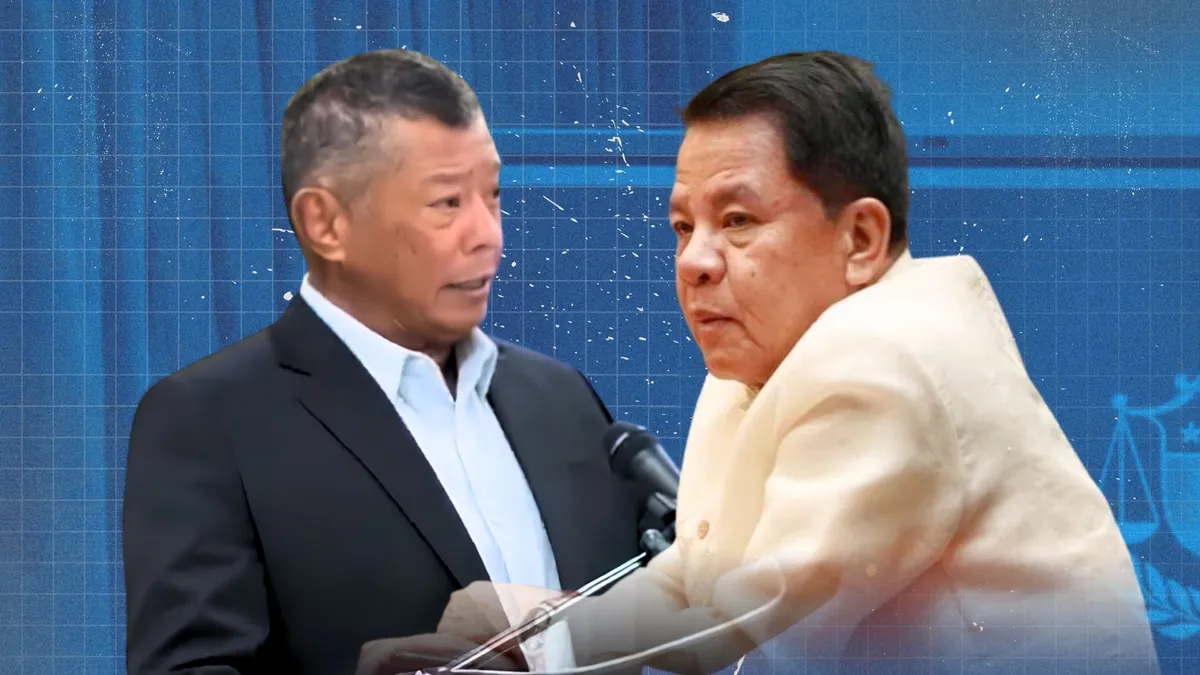
The Office of the Ombudsman is preparing to file separate cases for preliminary investigation against CWS Party-list Rep. Edwin Gardiola over allegations involving a possible conflict of interest.
Ombudsman Jesus Crispin Remulla said the planned cases stem from allegations that Gardiola functioned as a contractor while serving as a member of Congress.
The preliminary investigation will determine whether sufficient evidence exists to justify the filing of formal administrative or criminal charges.
Conflict of Interest Allegations
According to Remulla, the issue centers on the allegation that a sitting lawmaker may have engaged in activities that conflict with the responsibilities and ethical standards of public office.
Conflict-of-interest rules are intended to ensure that public officials do not use their positions for private business interests or participate in transactions where personal financial interests could influence official duties.
At this stage, the allegations remain under legal review.
Preliminary Investigation Is Not a Finding of Guilt
Under Philippine law, a preliminary investigation is conducted to determine whether there is probable cause to proceed with formal charges.
It is not a declaration that the respondent committed any wrongdoing.
Rep. Gardiola will have the opportunity to respond to the allegations and present evidence in his defense as part of the legal process.
The Office of the Ombudsman has not yet announced any finding of liability.
Accountability in Public Office
The announcement comes amid broader efforts by government agencies to review allegations involving public officials and the use of public resources.
Legal experts often emphasize that conflict-of-interest rules exist to preserve public trust by ensuring government decisions are made in the public interest rather than for private gain.
Any determination of liability will depend on the evidence presented during the proceedings.
Final Thoughts
The planned preliminary investigation against Rep. Edwin Gardiola marks the beginning of a legal process that will evaluate the allegations surrounding an alleged conflict of interest.
As the case moves forward, the Ombudsman will assess the evidence before deciding whether formal charges are warranted, while the respondent retains the right to due process.
Bible Reflection
"Moreover, it is required of stewards that they be found trustworthy." — 1 Corinthians 4:2 (ESV)
Public office carries the responsibility of faithful stewardship. Allegations involving conflicts of interest should be examined carefully, with fairness, evidence, and respect for due process guiding every step of the legal process.
“Staying Meant Participating”: When Silence Finally Breaks
January 04, 2026•1 min read
“Ang pananahimik ay pagpayag.”
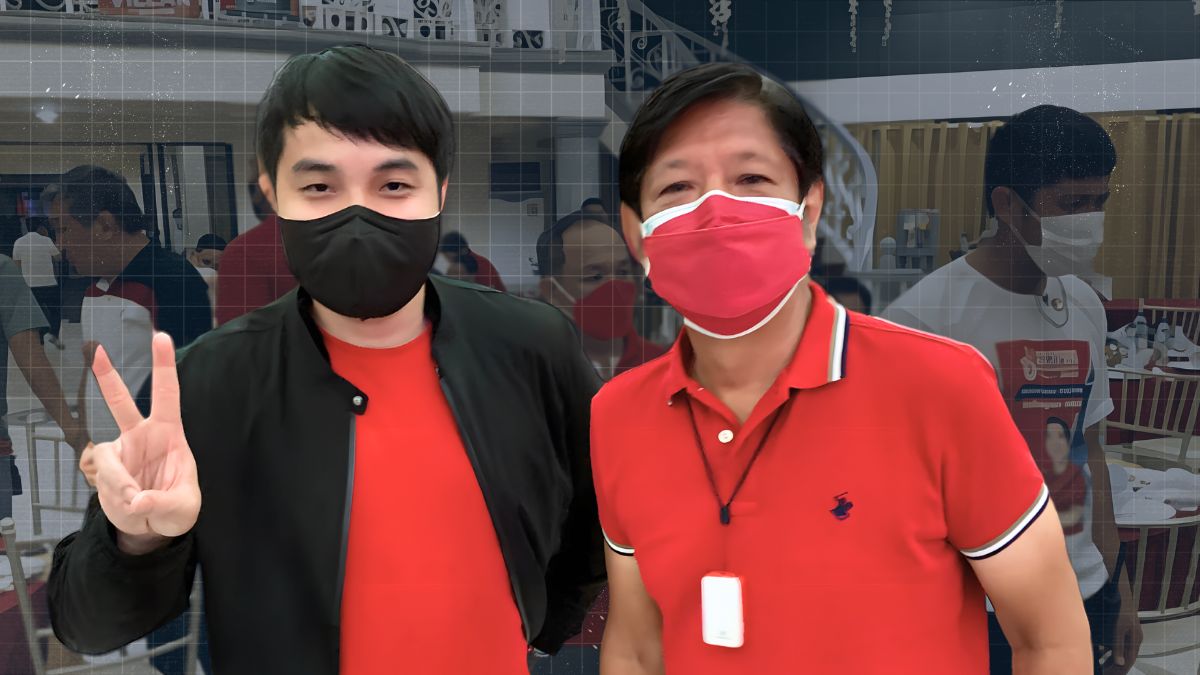
Those words landed heavily when Arjay Lim, former Assistant Director of the National Printing Office, announced his resignation and publicly explained why he would no longer stay silent inside the administration of President Ferdinand Marcos Jr..
Lim’s message was not impulsive. It was measured, reflective — and damning in its restraint.
For years, he believed in the system. He believed that working quietly from within could produce reform. He believed the President genuinely wanted to correct the past, restore integrity, and serve the Filipino people honestly.
But belief, he admits, became a burden.
What he witnessed were not isolated errors or growing pains, but patterns — excuses, cover-ups, and a culture where accountability was treated as a threat rather than a duty.
Agila satire does not exaggerate this moment. It highlights its gravity.
Because when someone leaves quietly, the Palace shrugs.
But when someone leaves and explains why, the silence becomes dangerous.
Lim’s declaration cuts deeper than slogans:
“Staying meant participating. Silence meant consent.”
That sentence alone dismantles years of carefully curated messaging. It reframes silence not as neutrality, but as complicity.
He is clear:
He did not leave because the work was hard.
He left because he could no longer face himself and claim he was doing the right thing.
This is not yet an accusation.
It is a moral indictment — one that dares institutions to respond with facts, not fury.
Scripture captures the weight of this moment:
“Whoever knows the right thing to do and fails to do it, for him it is sin.”
— James 4:17
2026, Lim insists, will not be a year of quiet.