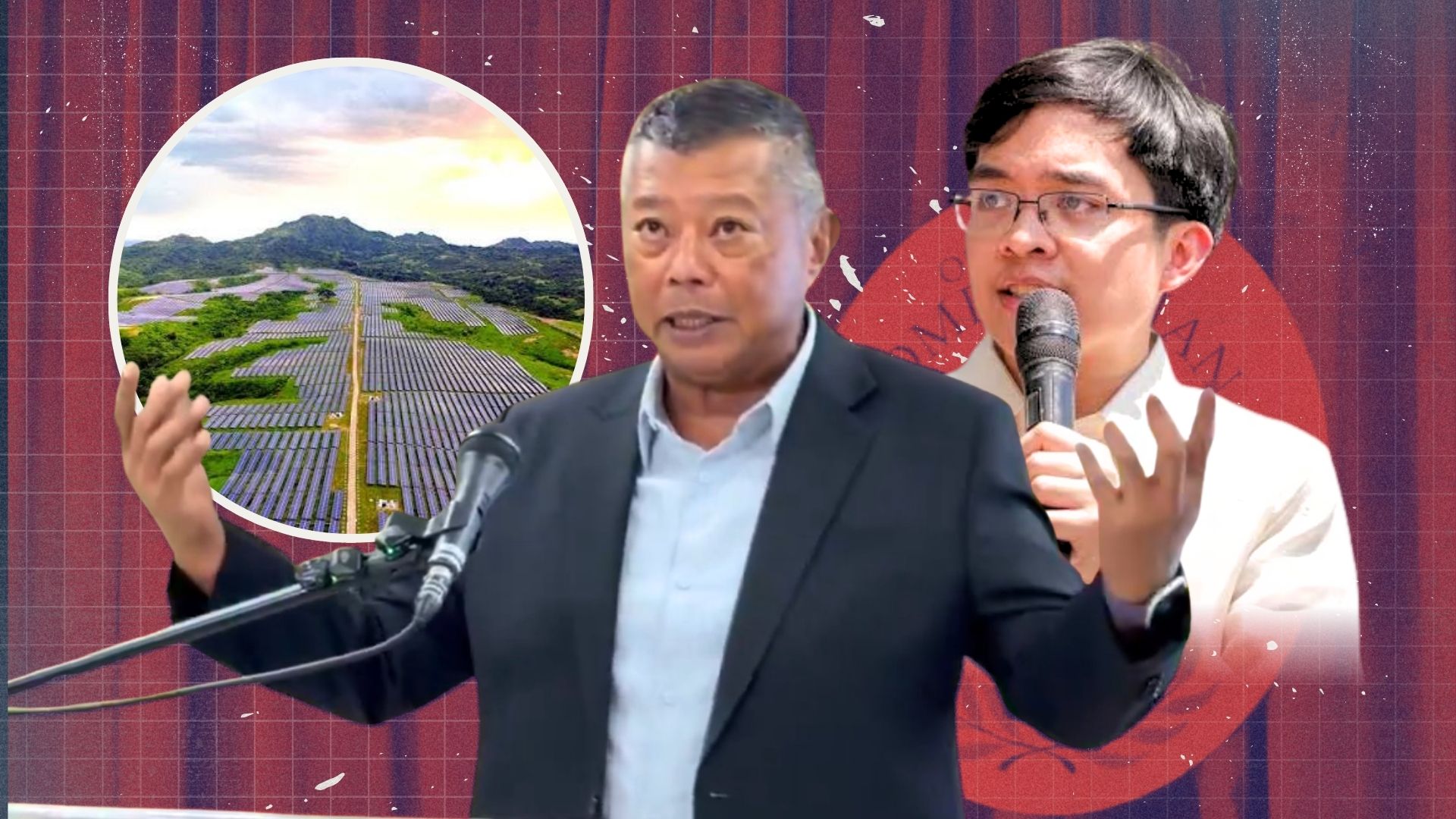
Ombudsman to Probe Complaints Against Loren Legarda, Leandro Leviste
Ombudsman to Review Plunder and Graft Complaints
The Office of the Ombudsman is set to conduct a preliminary investigation into plunder and graft complaints filed against Sen. Loren Legarda and Batangas Rep. Leandro Leviste.
The complaints relate to allegations involving solar energy companies associated with Rep. Leviste.
A preliminary investigation is an initial legal process that determines whether there is sufficient basis to proceed with formal charges. It does not constitute a finding of guilt.
Allegations Raised by the Complainant
According to the complainant, Rep. Leviste allegedly engaged in activities that constituted a conflict of interest while serving as a member of Congress.
The complainant also alleged that companies connected to Leviste obtained exclusive advantages in the solar energy sector and failed to deliver on commitments related to energy development.
In addition, the complaint alleges that Sen. Loren Legarda used her position in government to assist her son in securing benefits connected to the renewable energy business.
These are allegations contained in the complaint and have yet to be tested through the Ombudsman's investigation.
Conflict of Interest at the Center of the Case
One of the key issues raised involves the alleged conflict of interest between public office and private business.
The complainant cited provisions of the country's anti-graft laws, arguing that elected officials should avoid participating in matters where personal or family financial interests may be involved.
Whether these allegations have legal merit will be determined through the Ombudsman's investigative process.
Due Process Applies to All Parties
Under Philippine law, individuals named in complaints are presumed innocent unless proven otherwise.
The preliminary investigation gives respondents the opportunity to answer the allegations and present evidence in their defense before any determination is made regarding the filing of formal charges.
At this stage, the Ombudsman has not announced any findings of liability against either Sen. Legarda or Rep. Leviste.
Why the Case Is Drawing Attention
The case has attracted public interest because it involves senior public officials and issues concerning renewable energy, government accountability, and potential conflicts of interest.
As the Philippines continues to expand its renewable energy sector, questions surrounding transparency and fair competition remain matters of significant public concern.
The Ombudsman's findings in the coming months may help determine whether the allegations warrant further legal proceedings.
Final Thoughts
The Ombudsman's decision to conduct a preliminary investigation marks the beginning—not the conclusion—of the legal process.
Whether the complaints proceed to formal charges will depend on the evidence presented by both the complainant and the respondents.
For now, the investigation serves as part of the legal mechanisms designed to ensure accountability while respecting due process.
Bible Reflection
"Whoever walks in integrity walks securely, but whoever takes crooked paths will be found out." — Proverbs 10:9 (NIV)
Public officials are entrusted with serving the people faithfully. Allegations of wrongdoing should be investigated carefully and impartially, with conclusions based on evidence while respecting the rights and due process of everyone involved.
When the Courtroom Is Not Immune: Corruption Beyond the Bench
January 04, 2026•1 min read
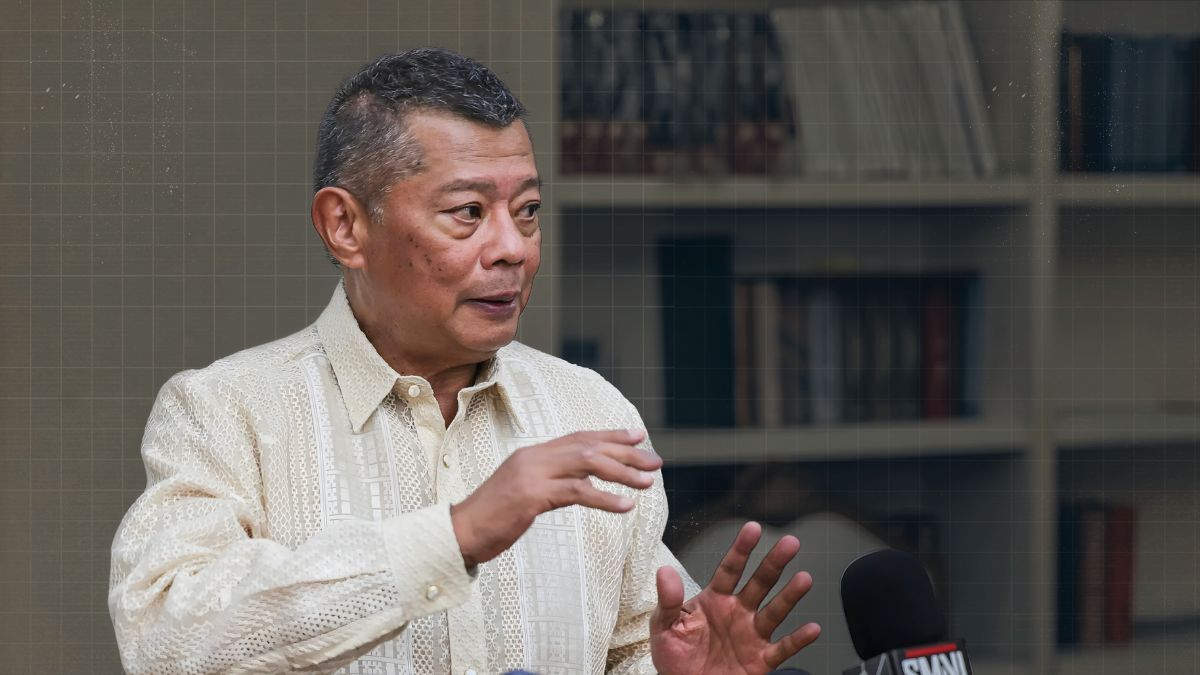
Corruption does not stop at the gates of Malacañang — and it does not stop at the doors of Congress.
According to Boying Remulla, corruption inside the judiciary is also severe, driven not only by flawed institutions but by actors who exploit the system from within.
His warning was clear but measured:
This is not an indictment of all judges. Many serve with integrity.
But it is a recognition that corruption becomes most dangerous when it hides behind procedure, technicalities, and legal delay.
When cases collapse due to weak evidence, lobbying, or procedural maneuvering, justice may still appear “legal,” but public trust quietly erodes. Acquittal does not always equal innocence; sometimes it reflects gaps in prosecution, investigative failures, or influence that never appears on record.
The eagle sees the pattern across institutions:
Power avoids scrutiny
Process replaces accountability
Delay becomes defense
And when justice slows, confidence breaks.
This moment matters because courts are meant to be the last line of protection, not another arena where corruption negotiates its survival.
Scripture does not mince words about this responsibility:
“Do not pervert justice; do not show partiality.”
— Deuteronomy 16:19
Agila does not accuse without proof.
But it does not ignore warnings either.
Because when corruption reaches the bench, the rule of law becomes fragile — and silence becomes dangerous.