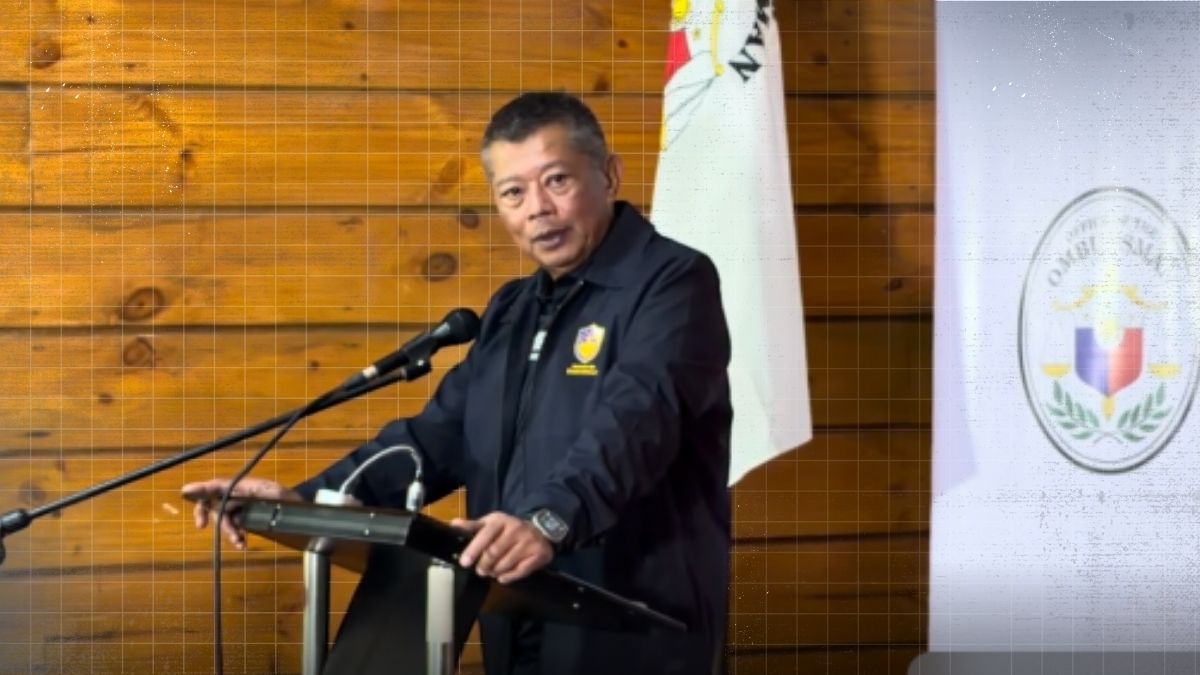
Ombudsman Urges State Witnesses in Flood Control Cases: “Do Not Hold Back”
The Office of the Ombudsman has issued a strong message to potential state witnesses in the ongoing flood control investigations: speak fully and do not withhold information.
According to Ombudsman officials, individuals with direct knowledge of alleged irregularities in flood control projects should come forward and cooperate, as authorities intensify efforts to build cases tied to billions in public funds.
Flood control spending has been under heavy scrutiny following repeated flooding incidents nationwide, despite large allocations in recent years. The issue has moved beyond infrastructure performance and into questions of procurement integrity, contract oversight, and fund utilization.
Encouraging witnesses to speak freely is a critical step in anti-corruption proceedings.
In complex public works cases, documentation alone is often not enough. Investigators rely on:
Insider testimony
Procurement trail clarification
Contractor coordination records
Approval chain disclosures
When whistleblowers or state witnesses cooperate, they help establish timelines and accountability layers that paperwork may not fully reveal.
However, the call for openness also raises institutional questions:
Are there adequate protections in place for state witnesses?
Will they be shielded from retaliation?
Will agreements be transparent and consistent?
For witnesses to “not hold back,” they must feel secure in the process.
The Ombudsman’s appeal signals that investigators may already have preliminary findings and are now seeking corroboration or deeper disclosure. It also suggests that the cases could involve multiple actors across technical and supervisory levels.
Flood control is not a minor sector. It is tied directly to disaster resilience, public safety, and economic stability. When projects fail or funds are misused, the consequences are visible — damaged homes, disrupted businesses, and displaced communities.
If state witnesses step forward and provide credible testimony, it could significantly accelerate case development. But credibility cuts both ways: testimony must be evidence-based and verifiable.
The integrity of the investigation depends on three elements:
Witness protection
Transparent prosecution standards
Consistent legal application
If these conditions are met, the Ombudsman’s push could mark a turning point in restoring confidence in public infrastructure spending.
If not, it risks being perceived as another announcement without structural follow-through.
At its core, the message is clear: silence protects no one.
Whether this becomes a genuine accountability moment or a procedural step in a long legal process will depend on what happens next — filings, hearings, and court action.
For now, the spotlight turns to those who were inside the system.
The country is listening.