“OSG Moves to Dismiss Drug Test Petition vs Bongbong Marcos”
“OSG Wants Petition Dismissed” — Supreme Court Drug Test Case Against PBBM Sparks National Debate
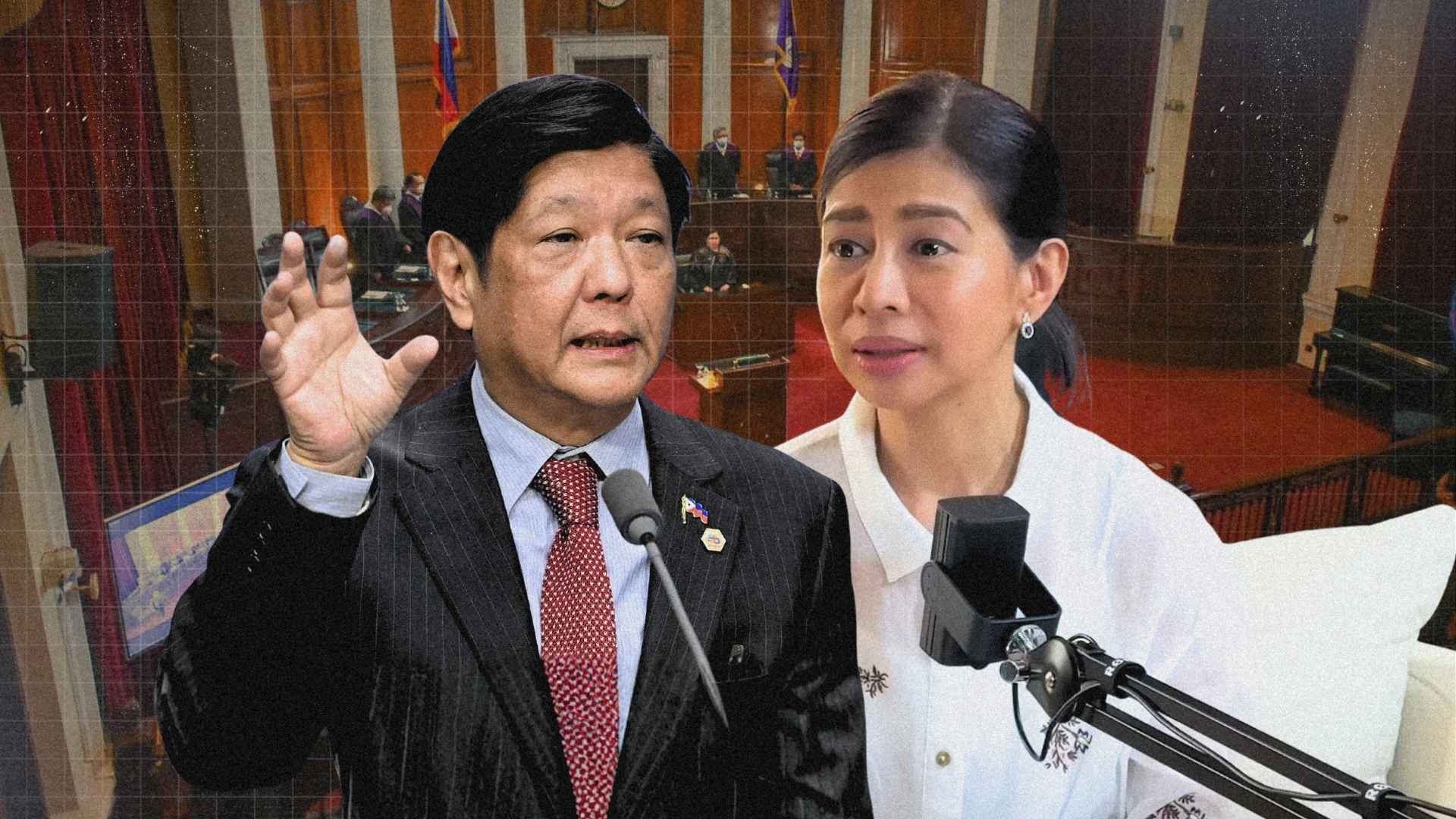
Fresh political debate erupted online after the Office of the Solicitor General (OSG) formally asked the Supreme Court to dismiss a petition seeking to compel President Bongbong Marcos to undergo physical, mental, and hair follicle drug examinations.
According to the filing, the petition was initiated by former House Speaker Pantaleon Alvarez and other petitioners.
The petition allegedly sought to require President Marcos to:
“submit himself to physical and mental examination — including a hair follicle dr*g test.”
It also reportedly requested the public release of the President’s complete medical and clinical records to supposedly determine his fitness to govern as Chief Executive.
The OSG, however, strongly opposed the petition.
In its filing before the Supreme Court, the OSG argued that compelling an incumbent president to comply with such demands violates the constitutional doctrine of presidential immunity.
One line from the document quickly spread online:
“The President has no constitutional duty to submit himself to any physical and mental examination.”
That statement immediately ignited fierce reactions online.
Supporters of President Marcos interpreted the petition as politically motivated harassment and an attempt to embarrass the presidency publicly.
Critics, however, argued that transparency regarding a president’s health and capacity to govern remains a legitimate public concern.
And once again, Philippine politics entered another emotionally charged constitutional debate.
Here’s what this really means…
This controversy is no longer only about drug tests or medical exams.
It is about the balance between transparency and presidential immunity.
For many Filipinos, the question now becomes:
How much scrutiny should the public legally have over a sitting president’s physical and mental condition?
That issue carries enormous constitutional and political implications.
The OSG emphasized that the Constitution only requires disclosure when the President suffers from a “serious illness.”
According to the filing, the petitioners allegedly failed to present sufficient evidence proving such a condition existed.
The OSG also described the petition as a “fishing expedition,” arguing that it lacked merit and legal basis.
That wording intensified online reactions even further.
Supporters viewed the response as a firm constitutional defense against politically charged accusations.
Critics viewed it as resistance against legitimate public accountability questions.
And because the issue involves both health and presidential authority, emotions escalated quickly.
This raises a bigger issue…
Has Philippine politics become so polarized that even constitutional safeguards are now interpreted as either protection or concealment depending on political loyalty?
Because increasingly, public debates no longer revolve only around legal principles.
They revolve around trust.
One side believes institutions are protecting constitutional order.
Another side believes institutions are shielding powerful figures from scrutiny.
That emotional divide explains why even technical constitutional arguments rapidly become viral political content online.
The issue also highlights another modern political reality:
Health transparency has become increasingly sensitive worldwide.
Citizens expect leaders to appear physically and mentally capable.
At the same time, constitutional systems traditionally protect executive authority from excessive legal intrusion while in office.
Balancing those two expectations creates inevitable tension.
Some observers argue the petition raises legitimate constitutional questions about public accountability.
Others argue forcing presidents into public medical procedures without evidence sets a dangerous precedent that could destabilize institutions and weaponize speculation politically.
That debate now sits at the center of the controversy.
Why this matters…
Public trust in leadership depends heavily on both transparency and institutional stability.
Too little transparency creates suspicion.
Too much politically driven intrusion risks weakening constitutional protections.
That balance becomes especially difficult during highly polarized political periods.
Whether one supports or opposes the petition, the controversy reveals a deeper reality about Philippine politics today:
Institutional trust has become increasingly fragile.
And once public trust weakens, even constitutional debates quickly transform into emotional political warfare.
Exegesis Bible Verse
Proverbs 11:3
“The integrity of the upright shall guide them: but the perverseness of transgressors shall destroy them.”
Reflection
Leadership requires both integrity and wisdom. Scripture reminds nations and leaders alike that trust is strengthened when truth, accountability, and lawful order work together rather than against each other.
Hindi Pinaka-High Tech, Pero Pinaka-Subok: AFP ayon kay Gen. Brawner
December 12, 2025•4 min read
Hindi sa dami ng makabagong armas nasusukat ang lakas ng isang hukbo. Para kay AFP Chief of Staff General Romeo Brawner Jr., ang tunay na sukatan ay karanasan at dedikasyon.

Sa isang pahayag, iginiit ni Brawner na maaaring hindi “world-class” sa kagamitan ang Armed Forces of the Philippines (AFP), ngunit kabilang umano ito sa pinaka-experienced armed forces sa buong mundo.
Ang karanasang ito ay hinubog ng dekada-dekadang operasyon laban sa insurgency, terorismo, at ng tuloy-tuloy na pagtugon sa mga kalamidad tulad ng bagyo, lindol, at baha. Ayon kay Brawner, ito ang dahilan kung bakit nananatiling handa ang sundalong Pilipino sa iba’t ibang uri ng misyon, sa kabila ng limitasyon sa modernisasyon.
Dagdag pa niya, patuloy pa ring isinusulong ng AFP ang modernization program, kahit may mga hadlang, upang matiyak na ang kakayahan ng hukbo ay sasabay sa mga hamon ng kasalukuyang panahon.
Sa huli, ang mensahe ay malinaw: ang lakas ng AFP ay hindi lang nasa armas, kundi sa karanasan, disiplina, at sakripisyo ng bawat sundalo.

AFP to Hold a Simple Christmas Amid Flood Mess Scandal — But Why Must the Troops Pay the Price?
eneral Romeo Brawner Jr. announced that the Armed Forces of the Philippines will tone down Christmas festivities this 2025. No grand programs. No lavish gatherings. Just a modest observance out of respect for Filipinos affected by calamities — and out of awareness of the outrage over the flood control corruption scandal.

At face value, this sounds noble. Soldiers always step back so others can step forward.
But the deeper question is this:
Why must the AFP tighten its belt because politicians failed?
Billions were lost to ghost rivers, non-existent structures, overpriced flood mitigation, and anomalous projects flagged by COA and ICID. Roads that should have been repaired remain broken. Infrastructure that should’ve protected communities never materialized. And now, the AFP is expected to model “simplicity” while the political architects of the mess continue to dodge accountability.
The contrast is striking:
The military sacrifices.
The people suffer.
The corrupt remain untouched.
General Brawner’s call for simplicity underscores the gravity of the nation’s condition — a country still recovering from storms, landslides, and political storms triggered by the trillions spent and billions lost on questionable flood control contracts.
Meanwhile, the administration continues to promise arrests, hearings, and investigations. Yet the public remains unconvinced. Because Filipinos are no longer looking for promises — they want action.
A simple Christmas?
Fine.
But let it not distract from the real demand of the nation:
Simple justice.
Swift justice.
Equal justice — kahit gaano kalaki ang isda.
And as the AFP stands guard this holiday season, the people stand guard too —
over the truth.
BBM vs. Atty. Rondain: Sino Ba Talaga ang Nagsisinungaling?
At Bakit Laging Nagkakabaliktaran ang Bersyon ng Malacañang?**
Sa loob lamang ng isang araw, dalawang magkasalungat na pahayag ang lumabas — parehong galing sa magkabilang kampo, parehong may bigat, pareho ring naglalaman ng “truth claims.” Pero ang tanong ng bayan: Alin dito ang may tunog ng katotohanan?

🔴 BBM’s Statement (Nov. 26, 2025):
“Nilapitan kami ng abogado ni Zaldy Co… nagtatangkang mag-blackmail… na kung hindi namin kakanselahin ang passport niya, hindi raw siya maglalabas ng videos.

🔵 Atty. Ruy Rondain’s Response (Same day):
“Completely untrue… I have not spoken with anyone from the government… I have no control over the release of the videos.”
Magkasalungat. Diretsuhan. Walang paligoy.
Pero ano ang nakikita ng sambayanang Pilipino?
Paulit-ulit ang pattern ng Palasyo:
Kapag may pumutok na ebidensya laban sa Pangulo —
nagpapalit ng script, naglilihis ng kuwento, at naghahagis ng bagong akusasyon to shift the conversation.
BBM is trying to frame Co’s exposé as “blackmail”
Pero hindi nito sinasagot ang pinaka-importanteng tanong:
👉 Totoo ba o hindi ang ₱25B delivery?
👉 Totoo ba o hindi ang ₱52B Bulacan insertion?
Rondain’s denial is clean, concise, and consistent
Walang drama. Walang emosyon. Walang pagtatakip.
Isang pahayag lang: “Hindi totoo.”
Zaldy Co’s videos are already public
Ano pang “blackmail” kung nasa internet na ang lahat at hindi na mapipigilan ang paglabas ng susunod?
Public perception favors Co, not BBM
Why?
Because BBM has changed his narrative at least five times in five days, habang si Co —
consistent, timeline-based, at may dokumento.
Marcos narrative is collapsing
The more they attack, the more people ask:
“Bakit hindi sagutin nang diretsuhan ang mismong akusasyon?”
“For nothing is hidden that will not be made manifest.” — Luke 8:17
At ngayon, lumalabas ang lahat —
hindi dahil sa politika,
kundi dahil hindi kayang itago ang liwanag sa lumalaking dilim.