Pangilinan Warns Against Overly Technical Impeachment Trial: "The Filipino People Are Watching"
Pangilinan: Impeachment Should Not Be Buried Under Technicalities Because the Public Is Watching
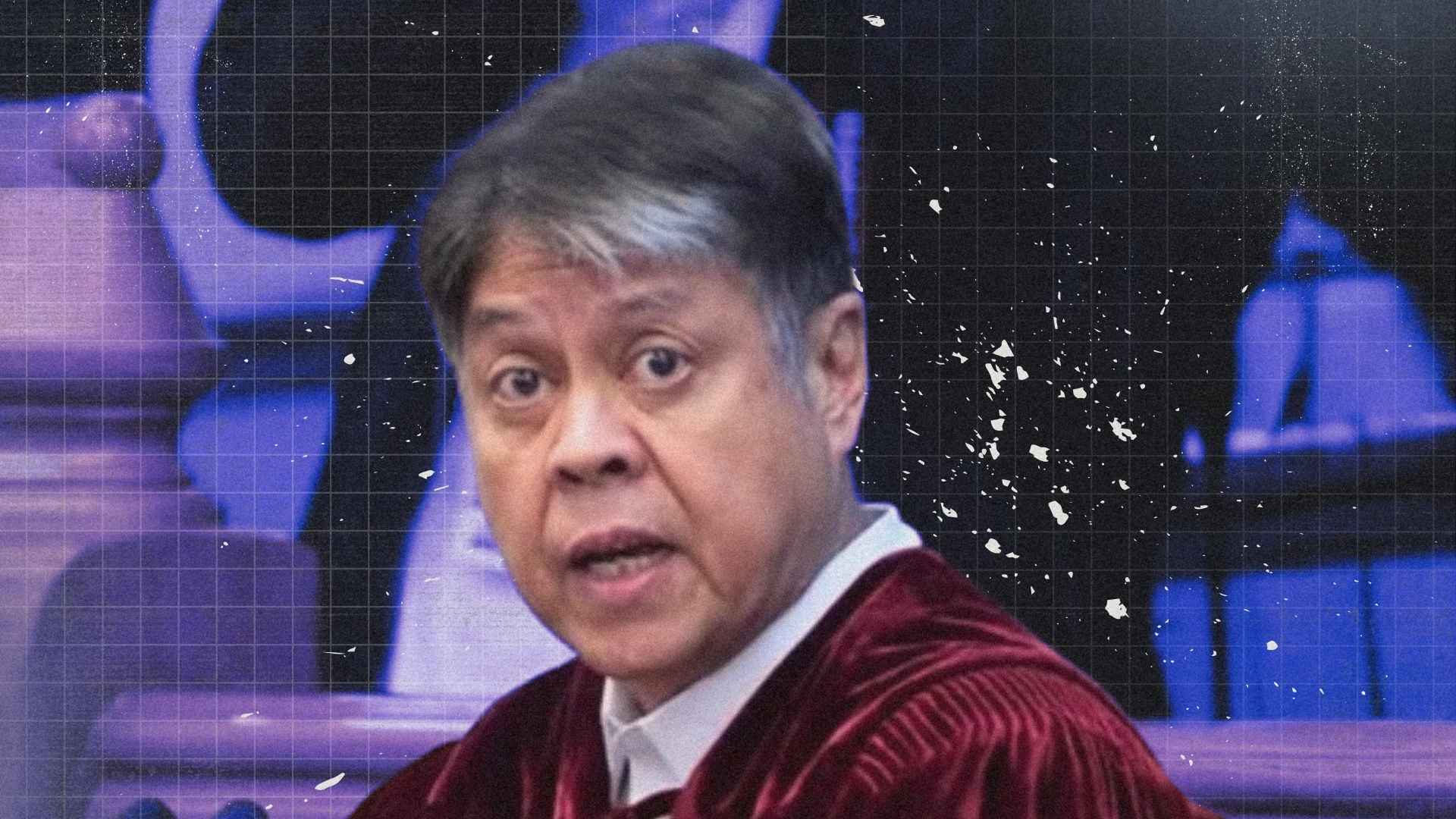
The ongoing impeachment proceedings against Vice President Sara Duterte once again shifted from evidence to procedure after Senator-judge Francis "Kiko" Pangilinan reminded fellow senator-judges that impeachment is fundamentally different from an ordinary court trial.
During his manifestation, Pangilinan emphasized that the Senate, sitting as an impeachment court, should avoid becoming excessively bound by technical rules of evidence.
According to him, impeachment is not simply another legal proceeding—it is a constitutional process conducted in full view of the Filipino people.
"Technical rules of evidence do not apply strictly in impeachment court proceedings because the people are listening."
His remarks came after the impeachment court limited the defense's explanation regarding the withdrawal of several witnesses.
For Pangilinan, allowing the proceedings to become too technical risks making the trial less understandable to the public that is closely following every development.
A Different Kind of Court
Unlike ordinary criminal or civil cases, impeachment trials are constitutional proceedings designed to determine whether a public official remains fit to continue serving in office.
Because of that distinction, Pangilinan argued that strict courtroom technicalities should not overshadow the Senate's constitutional responsibility.
The senator suggested that the primary objective should be uncovering the truth in a manner that remains understandable to ordinary Filipinos—not merely satisfying procedural requirements familiar only to lawyers.
His statement echoes a long-standing legal principle that impeachment courts possess broader discretion than regular trial courts in managing proceedings.
Balancing Fairness and Transparency
The issue raises an important institutional question.
On one hand, procedural safeguards exist to ensure fairness for both the prosecution and the defense. Technical rules help prevent unreliable evidence from influencing a verdict and protect constitutional rights.
On the other hand, impeachment is ultimately a political-constitutional process rather than a purely criminal proceeding.
Many constitutional scholars have noted that while due process remains essential, impeachment courts traditionally enjoy greater flexibility in receiving evidence than ordinary courts.
Finding the proper balance between fairness and transparency remains one of the Senate's continuing challenges as the trial progresses.
Why the Public Matters
Pangilinan's reminder reflects another unique characteristic of impeachment proceedings.
Unlike most court cases that primarily concern the parties involved, impeachment directly affects public trust in government institutions.
Every hearing is broadcast nationally.
Every ruling is immediately scrutinized.
Every procedural decision shapes how citizens perceive both the Senate and the impeachment process itself.
For this reason, Pangilinan believes the proceedings should remain accessible enough for ordinary Filipinos to understand—not just legal experts.
The Broader Constitutional Picture
Whether one agrees with Pangilinan's position or not, his remarks underscore the delicate balance the Senate must maintain.
The impeachment court must uphold due process while ensuring that constitutional accountability remains meaningful and understandable to the public.
As the proceedings continue, debates over evidence, procedure, and constitutional interpretation are likely to remain at the center of the trial—alongside the substantive allegations themselves.
Ultimately, the credibility of the impeachment process will depend not only on its final outcome but also on whether Filipinos believe the proceedings were conducted fairly, transparently, and in accordance with the Constitution.
Bible Reflection (Exegesis)
Micah 6:8 (NIV)
"He has shown you, O mortal, what is good. And what does the Lord require of you? To act justly and to love mercy and to walk humbly with your God."
Reflection:
Justice is not only about reaching the right decision but also about ensuring that the process inspires confidence, fairness, and integrity. Regardless of political beliefs, every institution is called to pursue truth with humility and impartiality. Citizens, in turn, are encouraged to seek understanding rather than division, remembering that justice gains its strength when it is exercised with both fairness and wisdom.
🚨 Political Watch | Sotto: Imee Marcos’ Removal as Foreign Relations Chair Triggered Ouster Plot
February 08, 2026•3 min read
When Committee Chairs Become Flashpoints: How Imee Marcos’ Removal Sparked Senate Turmoil
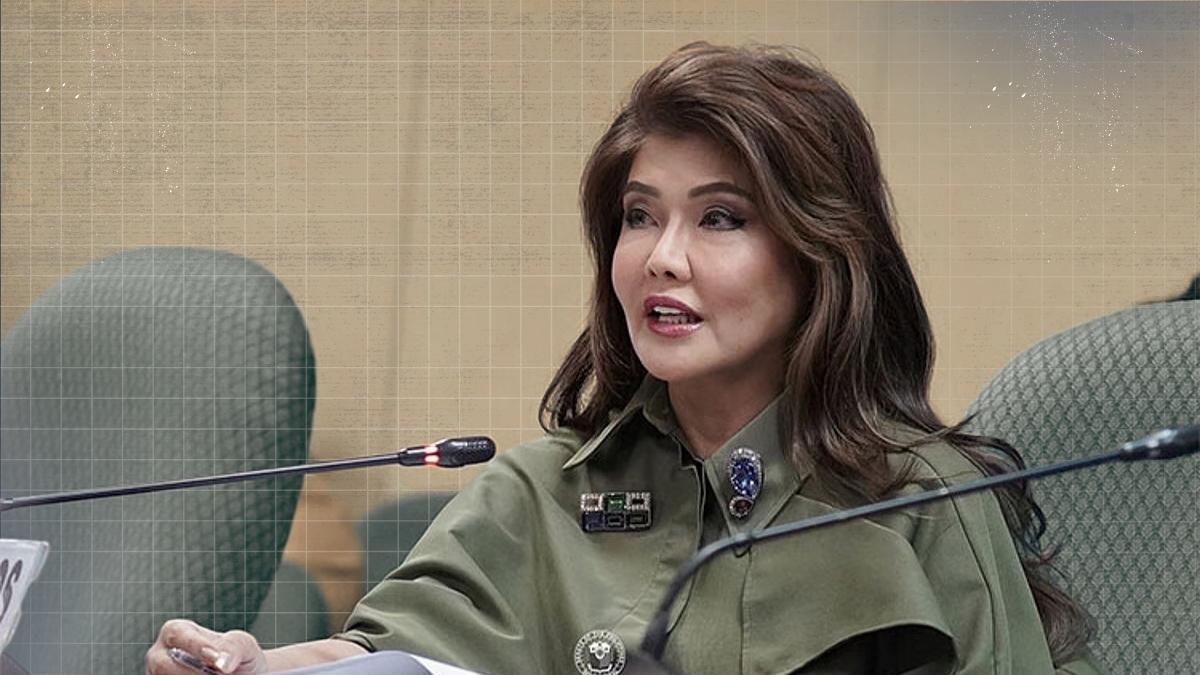
Senate President Tito Sotto revealed that the removal of Senator Imee Marcos as chair of the Senate Committee on Foreign Relations served as a trigger for what he described as an ouster plot within the upper chamber.
Sotto’s disclosure adds a crucial piece to the puzzle behind recent leadership rumors, coup chatter, and behind-the-scenes maneuvering in the Senate. According to him, the leadership tension did not emerge in a vacuum—it followed a concrete decision that altered internal power dynamics.

Why Committee Chairmanships Matter
In the Senate, committee chairmanships are not ceremonial. They come with:
Agenda-setting power
Oversight authority
Visibility and influence
Control over hearings and reports
Foreign Relations, in particular, is a high-stakes portfolio, covering diplomacy, treaties, security issues, and relations with major powers. Losing that post is not just a demotion—it’s a redistribution of influence.
By pointing to Marcos’ removal as a catalyst, Sotto framed the leadership unrest as a reaction to institutional displacement, not mere personal ambition.
From Committee Shift to Leadership Question
Following the committee reshuffle, whispers began circulating about:
destabilizing the current Senate leadership,
floating alternative Senate presidents,
and even term-sharing proposals.
Sotto said these moves gained momentum after Marcos lost the Foreign Relations chair, suggesting that discontent over committee assignments quickly escalated into a broader power struggle.
Importantly, Sotto maintained that no formal ouster move succeeded, emphasizing that leadership changes require numbers—not narratives.
Imee Marcos’ Position in the Senate
Imee Marcos is a seasoned lawmaker with strong political lineage and vocal positions, particularly on foreign policy and sovereignty issues. Her tenure as Foreign Relations chair placed her at the center of diplomatic discourse.
Her removal, therefore, was bound to reverberate—not only within her political circle, but across Senate blocs attentive to balance-of-power signals.
While Marcos herself has not publicly framed the issue as an ouster trigger, Sotto’s remarks reveal how internal reactions can spiral beyond the original decision.
Not a Coup—But a Pressure Point
Sotto stopped short of calling the situation a full-blown coup. Instead, his description suggests a pressure campaign—a sequence where dissatisfaction over one issue snowballed into broader leadership agitation.
Political analysts note that in parliamentary-style institutions, this is a familiar pattern:
Committee reshuffle
Disaffected bloc tests support
Leadership rumors surface
Compromise or stabilization follows
In this case, the Senate appears to have reached the stabilization phase—at least for now.
What This Reveals About Senate Politics
This episode highlights several realities:
Committee assignments are deeply political
Leadership stability depends on constant coalition management
Small shifts can have outsized ripple effects
It also underscores why Senate leaders often tread carefully with reshuffles. Every move sends a signal, intended or not.
What Happens Next
With leadership intact and the Foreign Relations committee already reconstituted, attention shifts to whether:
grievances fade, or
alliances quietly realign for future confrontations.
For now, Sotto’s disclosure reframes the narrative: this wasn’t random chaos—it was cause and effect inside a political institution.
Quiet takeaway: In the Senate, power rarely moves all at once—it shifts when a key chair is pulled.
Bible verse anchor:
Proverbs 20:18 — “Plans succeed with good counsel; with many advisers they succeed.”