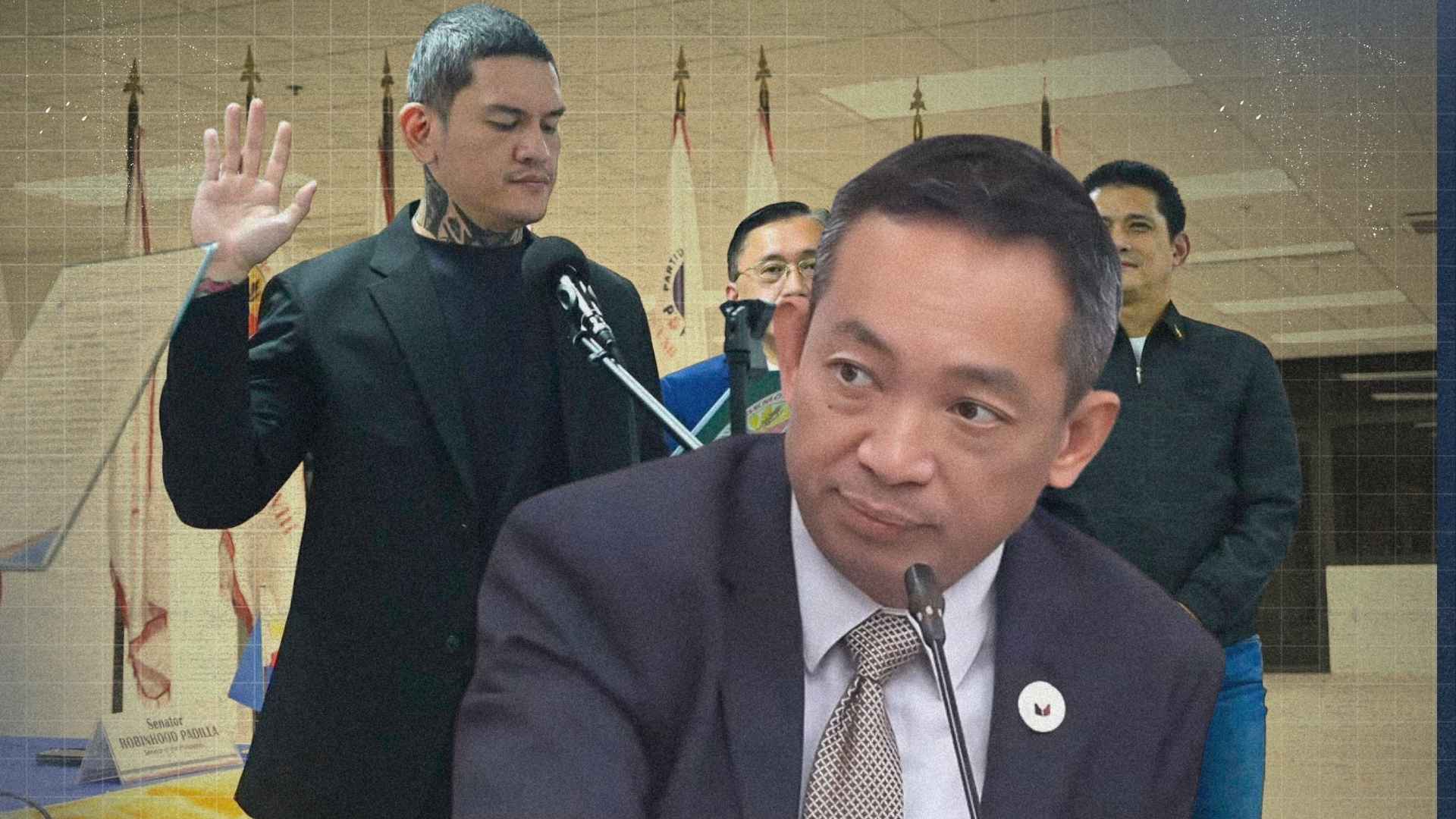
‘Plan B’ Daw ng Duterte Camp? Rep. Antonio Tinio Questions RAGE Coalition Move
Another political storm is brewing — and this time, it’s about strategy, succession, and speculation.
Antonio Tinio has stirred conversation after claiming that the newly formed coalition led by Sebastian Duterte could be more than just a movement — it might be a backup plan.
According to Tinio, the launch of the Reform Alliance for Good Governance and Accountability (RAGE) Coalition could signal something deeper.
“Ngayon pa lang, may pinoprontang Plan B…”
🔍 Here’s what this really means…
Tinio suggests that the move is tied to the ongoing political tension surrounding Sara Duterte.
Specifically, he pointed to the possibility of impeachment — and the serious consequence that could follow:
👉 Perpetual disqualification from running for President
That’s not a small risk.
If that scenario becomes real, Tinio claims the camp may already be preparing an alternative — possibly positioning Mayor Baste Duterte as another national contender.
⚖️ This raises a bigger issue…
Is this strategic planning — or political overreach?
Tinio frames it as early campaigning:
“Pangangampanya nang maaga…”
But here’s where things get interesting.
In politics, preparation is expected.
Every major camp builds contingencies.
The real question becomes:
👉 Is forming alliances now a sign of fear?
👉 Or simply smart long-term positioning?
💬 Public Reaction (What People Are Saying)
Online reactions are divided — and intense.
Some agree with Tinio, saying the timing of the coalition raises eyebrows.
Others push back, arguing that:
👉 Building alliances is normal in politics
👉 Leadership continuity is not unusual
👉 And speculation doesn’t equal proof
Supporters of the Duterte camp are especially vocal, framing the move as proactive leadership — not panic.
📊 Why this matters…
This issue isn’t just about personalities — it’s about power dynamics heading into future elections.
If the narrative of a “Plan B” gains traction:
👉 It could shape public perception early
👉 Influence voter sentiment
👉 Impact alliances across political groups
And most importantly — it keeps the spotlight firmly on the Duterte political brand.
🧠 Closing Thought
Politics is often a game of perception.
One side calls it preparation.
The other calls it panic.
But at the end of the day, the truth usually lies somewhere in between.
What matters now is not just what leaders say —
but how people interpret what they see unfolding.
Because in modern politics…
👉 Narrative is power.
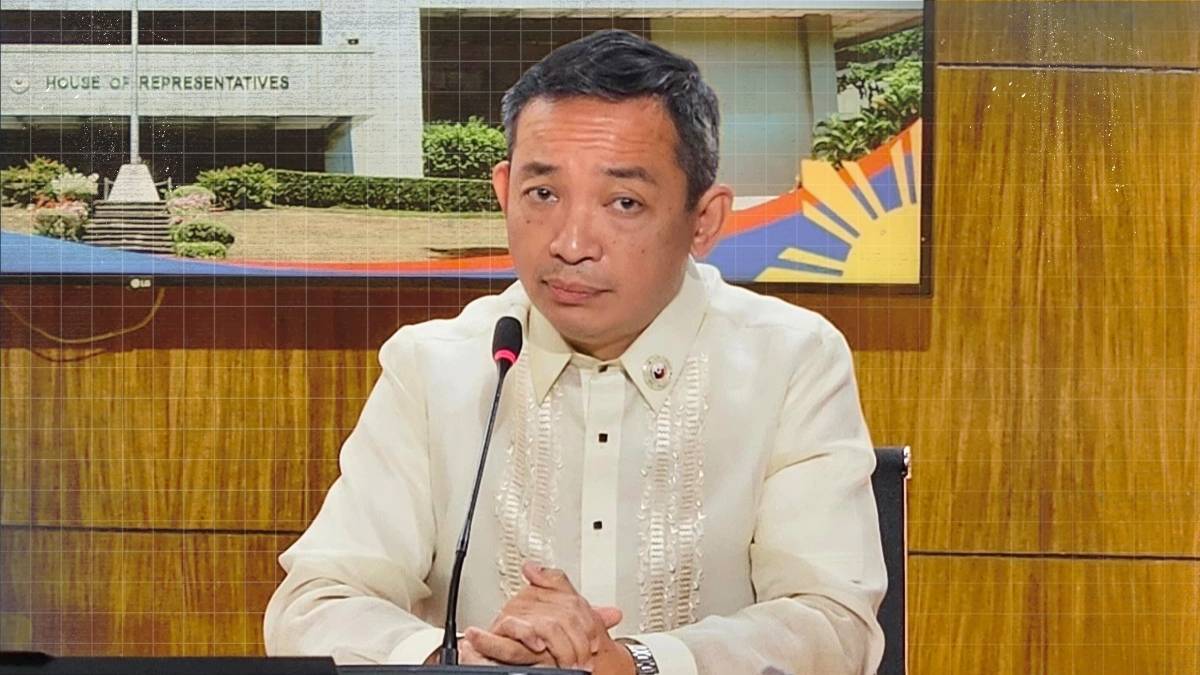
Tinio: No Moves to Fast-Track Sara Duterte Impeachment in the House
ACT Teachers Party-list Representative Antonio Tinio clarified that there are currently no efforts to fast-track impeachment proceedings against Vice President Sara Duterte in the House of Representatives.
The statement comes amid ongoing public discussion surrounding impeachment complaints filed against the Vice President, as political tensions continue to rise in national discourse.
Current Status in the House
According to Tinio, despite public speculation and media attention, there are no internal moves within the House leadership to accelerate the impeachment process.
Under the Philippine Constitution, impeachment proceedings follow a structured procedure:
1️⃣ Filing of the complaint
2️⃣ Referral to the House Speaker
3️⃣ Determination of sufficiency in form and substance
4️⃣ Committee deliberations
5️⃣ Plenary vote before transmittal to the Senate
Fast-tracking would imply procedural shortcuts or an unusually accelerated timetable. Tinio’s clarification suggests that standard processes are being observed.
Constitutional Framework
Impeachment is a constitutional mechanism designed to hold certain high-ranking officials accountable.
It is not automatic upon filing.
The House has exclusive authority to initiate impeachment cases, while the Senate serves as the impeachment court.
The process involves:
Committee review
Hearings if warranted
Voting thresholds
Transmission to the Senate
This system is intended to balance accountability with institutional stability.
Political Context
The Vice President has faced criticism and impeachment complaints related to various controversies, including budget and governance issues.
However, Tinio’s statement indicates that the legislative body is not currently pushing for urgency.
This may signal:
Caution within House leadership
Ongoing procedural review
Political calibration
Institutional restraint
Impeachment, by nature, is both legal and political. While it involves legal standards, it also requires political will.
What “No Fast-Tracking” Means
Saying there is no fast-tracking does not mean the complaints have been dismissed.
It simply means:
No special timetable has been imposed.
No extraordinary procedural acceleration is underway.
Standard review timelines apply.
In legislative practice, timing can shape public perception. Clarifications like Tinio’s aim to address concerns that the process may be politically driven.
Separation of Legal and Political Debate
Public discourse often merges legal proceedings with political speculation.
However, impeachment proceedings operate under constitutional rules, not public opinion alone.
The House must evaluate:
Whether the complaint meets formal requirements
Whether allegations meet constitutional grounds
Whether there is sufficient support among members
These determinations are not immediate.
Stability vs Accountability
Impeachment carries serious implications.
Fast-tracking can be viewed in two ways:
✔ As decisive accountability
✖ Or as politically motivated haste
By stating there is no move to accelerate proceedings, Tinio appears to be emphasizing procedural regularity.
The Broader National Climate
The political climate in the Philippines remains dynamic.
Public debate includes:
Budget transparency
Governance issues
Electoral positioning
Institutional checks and balances
As 2028 discussions slowly begin to surface, impeachment conversations inevitably intersect with political narratives.
However, constitutionally, impeachment is a current accountability tool — not an electoral one.
Biblical Reflection on Process and Justice
Political tension often leads to urgency.
Scripture offers guidance on measured judgment:
“The one who states his case first seems right, until the other comes and examines him.” — Proverbs 18:17
Due process requires hearing both sides carefully, without haste.
🧩 Final Perspective
Representative Antonio Tinio’s statement clarifies that there are no moves to fast-track impeachment proceedings against Vice President Sara Duterte at this time.
The complaints remain within the constitutional process.
No acceleration. No extraordinary measures.
As the House continues its procedural review, the political conversation may intensify — but the institutional process follows its own timetable.
The coming weeks will determine whether the complaints advance or stall under constitutional standards.