🚨 Political Watch | Robredo, Pangilinan Convene Opposition Meeting
Opposition Regroups as Robredo, Pangilinan Lead Strategy Meeting
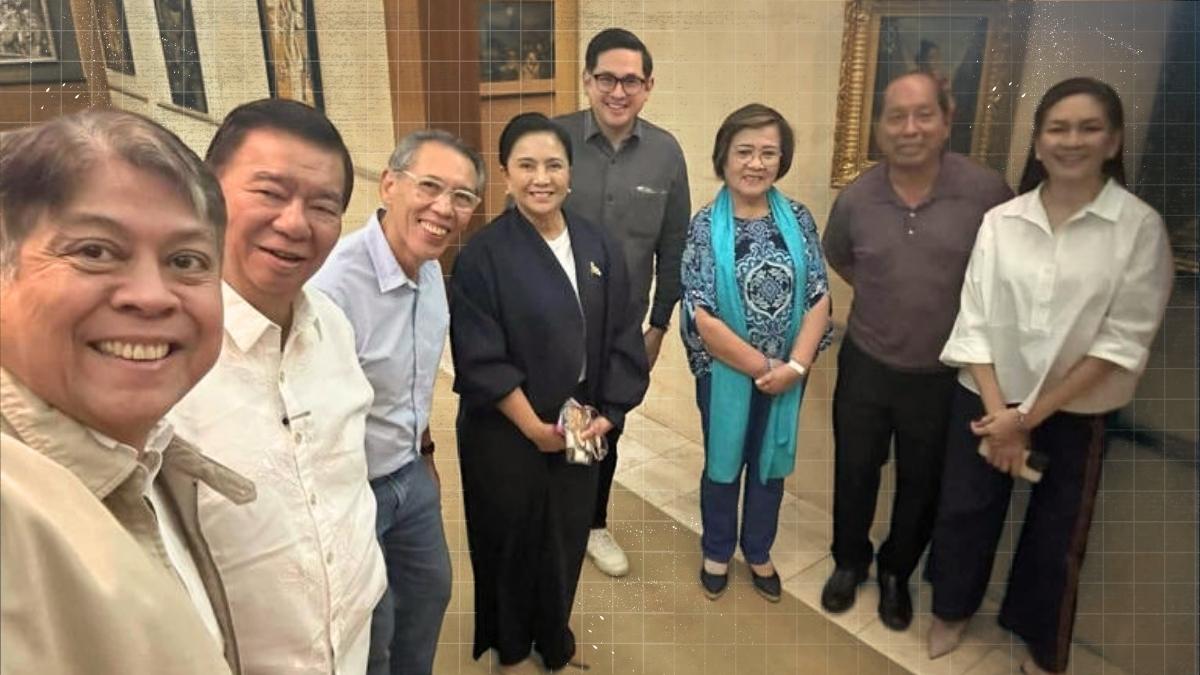
Former vice president Leni Robredo and former senator Francis Kiko Pangilinan were seen leading a meeting of opposition figures, signaling renewed coordination among groups critical of the current administration.
Photos from the gathering show familiar reformist faces in discussion—an image that quickly fueled speculation about the opposition’s next moves. While no formal announcements were made, the optics alone suggest an effort to rebuild lines of communication, recalibrate messaging, and explore common ground after successive electoral defeats.
Why This Meeting Matters Now
Opposition politics in the Philippines has struggled with fragmentation since 2022. Personalities, platforms, and priorities have diverged, making sustained coordination difficult. A meeting led by Robredo and Pangilinan—two figures closely associated with reform advocacy—signals a potential attempt to re-center the opposition around organization rather than personality.
Timing is also key. With political tensions rising—leadership rumors in the Senate, impeachment chatter, and high-profile corruption cases—opposition forces face a strategic choice: remain reactive or present a coherent alternative narrative.
What We Know—and What We Don’t
What’s confirmed:
The meeting took place and included multiple opposition figures.
Robredo and Pangilinan were visibly at the center of discussions.
What remains unclear:
Whether the meeting was exploratory or operational.
If a formal coalition, policy platform, or campaign timeline was discussed.
For now, the absence of declarations may be intentional. Veteran political organizers often test alignment privately before committing publicly—especially in a polarized environment.
Robredo–Pangilinan: Familiar Leadership, New Context
Robredo and Pangilinan carry both assets and baggage. They retain strong support among civil society groups and volunteers, yet they also face the challenge of expanding beyond a base that has not translated into recent national victories.
Leading a meeting—rather than launching a movement—suggests a listening phase: assessing readiness, repairing rifts, and gauging appetite for collaboration across factions that don’t always agree on tactics.
The Strategic Question
The central question is not whether the opposition can meet—but whether it can convert meetings into momentum.
To matter electorally, the opposition must:
Agree on a shared agenda (even if limited)
Develop discipline in messaging
Demonstrate relevance to bread-and-butter issues
Without these, gatherings risk becoming symbolic rather than strategic.
Public Reaction and Optics
Online reaction has been mixed. Supporters welcomed signs of regrouping. Skeptics cautioned against overreading a single meeting. In Philippine politics, photos spark narratives, but durability depends on follow-through.
What Comes Next
If this meeting leads to:
regular coordination,
policy rollouts,
or grassroots re-engagement,
it may mark the start of a more organized opposition phase. If not, it will be remembered as another moment of reflection—important, but incomplete.
Quiet takeaway: In politics, unity begins behind closed doors—but credibility is built in public.
Politikanta Minute jab (clean):
Maraming meeting, iisang tanong—may kasunod ba?
Bible verse anchor:
Ecclesiastes 4:12 — “Though one may be overpowered, two can defend themselves. A cord of three strands is not quickly broken.”