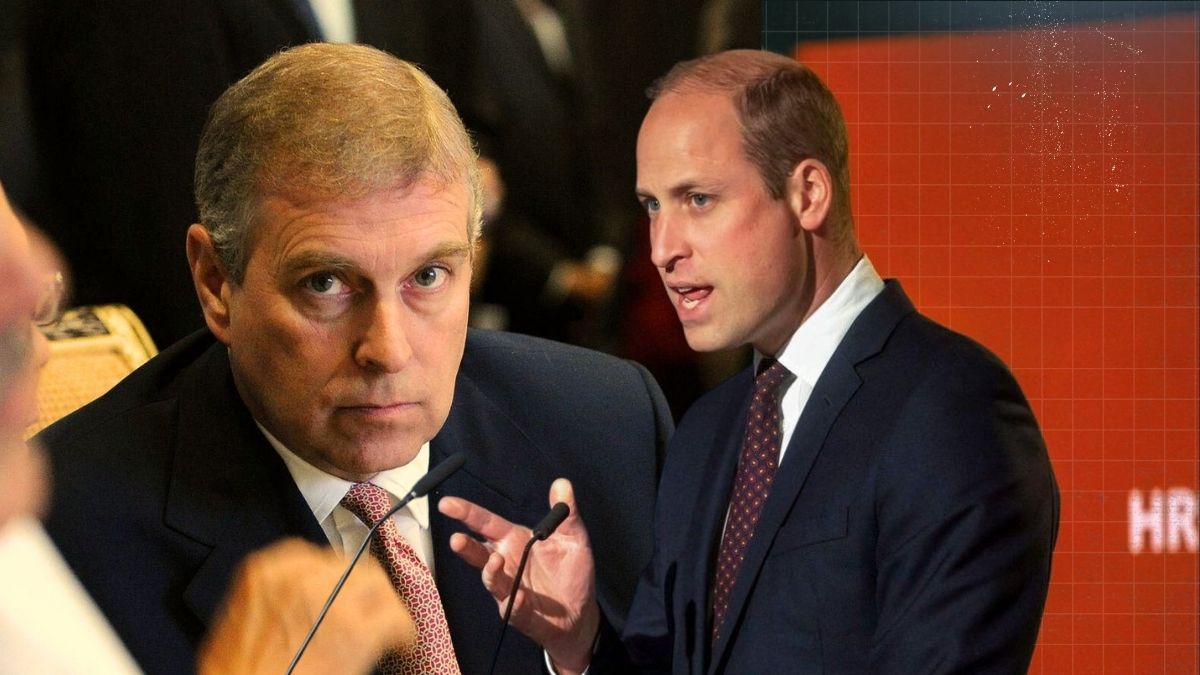
Prince William ‘Wanted Andrew Banished’ from the Royal Family, Report Claims
Fresh reports suggest that Prince William once pushed for a more decisive and permanent separation between the British monarchy and Prince Andrew, amid the long-running fallout from Andrew’s association with convicted sex offender Jeffrey Epstein.
According to recent coverage, the Prince of Wales allegedly believed that distancing Andrew from official royal duties was not enough — and that a more complete banishment from public life would better protect the institution’s credibility.
The report reignites discussion about how the royal family has handled the controversy in the years since Andrew stepped back from public duties.
👑 The Weight of the Crown
For William, who is widely seen as the future face of a modernized monarchy, reputation and public trust are paramount. Observers say that the next generation of royals understands that survival in today’s media landscape requires firm action when scandal threatens the brand of the Crown.
While Andrew formally withdrew from official royal roles in 2019 and later relinquished military titles and patronages, debate has continued about whether those measures were sufficient.
Reports now suggest William favored a cleaner break — one that would leave no ambiguity about the royal family’s position.
📉 Andrew’s Lingering Shadow
The Duke of York’s ties to Epstein and subsequent legal controversies in the United States triggered global scrutiny. Though Andrew has denied wrongdoing and reached a financial settlement in a civil case without admitting liability, public opinion in the UK and abroad shifted dramatically.
The monarchy, long associated with tradition and stability, suddenly found itself navigating modern crisis management.
Critics argue that prolonged association risks reputational damage. Supporters say family dynamics and constitutional constraints complicate swift action.
🔍 Generational Divide?
Royal commentators often point to an evolving generational mindset within the monarchy. The younger generation — including William and Catherine, Princess of Wales — are frequently portrayed as more media-aware and strategically focused on public perception.
Some analysts believe William sees long-term legitimacy as tied directly to accountability and clarity.
In contrast, senior royals have historically preferred gradual transitions over abrupt decisions.
🏰 Institution vs. Family
The royal family is not merely a family — it is a constitutional institution intertwined with British identity and diplomacy. That dual role complicates internal disagreements.
If reports are accurate, William’s position reflects a prioritization of institutional preservation over personal loyalty.
Royal watchers note that future monarchs often begin shaping their legacy long before taking the throne.
📲 Public Reaction
News of William’s alleged stance sparked renewed debate online. Many applauded what they interpret as decisive leadership. Others cautioned against accepting unnamed-source reports as definitive.
The public remains divided on Andrew’s continued residence at royal properties and his limited but ongoing presence in certain family gatherings.
One thing is clear: the Epstein shadow continues to ripple through global institutions — including Buckingham Palace.
🌍 The Bigger Picture
The monarchy has endured wars, abdications, divorces, and scandals. But in the digital age, controversies spread faster and linger longer.
For William, safeguarding the Crown’s relevance may require sharper boundaries than previous generations ever faced.
Whether the report proves fully accurate or not, it underscores a reality: the British royal family remains under intense global scrutiny.
And as the future king, William’s priorities — real or perceived — matter deeply.