“Puro Satsat?” Chua Calls Out VP Sara Camp — But Is That the Whole Story?
Is it really “puro satsat,” or is there a deeper strategy behind the messaging?
A statement from Joel Chua criticizing the camp of Sara Duterte has stirred fresh debate—highlighting once again how narratives can shape public perception faster than facts.
Viral News Summary
Manila 3rd District Rep. Joel Chua recently questioned Vice President Sara Duterte’s approach to addressing impeachment-related issues, pointing out that responses were made through media statements instead of direct participation in House committee proceedings.
He suggested that this could imply avoidance or reluctance to directly answer questions raised in formal hearings, especially as the camp reportedly sought legal remedies like a temporary restraining order.
The remark quickly circulated online, with the phrase “puro satsat” becoming a talking point across social media platforms.
Here’s What This Really Means…
Let’s cut through the noise.
This raises a bigger issue: Does speaking through media automatically mean avoiding accountability?
Not necessarily.
In modern politics, communication is no longer limited to hearing rooms.
Press statements, legal filings, and public messaging are all part of a broader strategy.
👉 Some leaders choose confrontation
👉 Others choose calculated positioning
And here’s where the nuance comes in…
Responding through legal channels and structured communication doesn’t always mean evasion—it can also signal controlled engagement, especially when stakes are high and every word carries consequences.
Now flip the lens:
👉 If the issue is strong, it should stand in ANY platform
👉 If the evidence is solid, it doesn’t rely on soundbites
So the real question becomes:
Is this about process… or perception?
Public Reaction
Reactions online were split:
Critics echoed Chua’s sentiment, calling for direct answers in formal settings
Supporters argued that legal strategy and media communication are valid responses
Others pointed out the growing trend of “trial by publicity” in modern politics
Why This Matters…
This isn’t just about one statement or one hearing.
It reflects a deeper shift in politics today:
👉 Truth is often filtered through framing
👉 Perception can move faster than verification
👉 And the loudest narrative isn’t always the most complete
In that kind of environment, people are no longer just watching events—
They’re choosing which version of the story to believe.
Closing Thought
In moments like this, clarity doesn’t always come from who speaks louder…
but from who speaks with consistency—across every platform.
Because in the end, real answers don’t hide.
They just wait for the right place… and the right time.
🎯 BIBLE VERSE
📖 Ecclesiastes 3:7
“A time to be silent and a time to speak.”
🔍 Exegesis (Real Meaning)
This verse teaches discernment—knowing when to respond and how to respond is part of wisdom, not weakness.
🔥 Application Today
In leadership and public life:
👉 Not every moment demands noise
👉 Not every silence means surrender
Sometimes, timing and approach define the strength of a message.
Billions at Stake, Civil Case Only: When Accountability Feels Too Light
December 19, 2025•1 min read
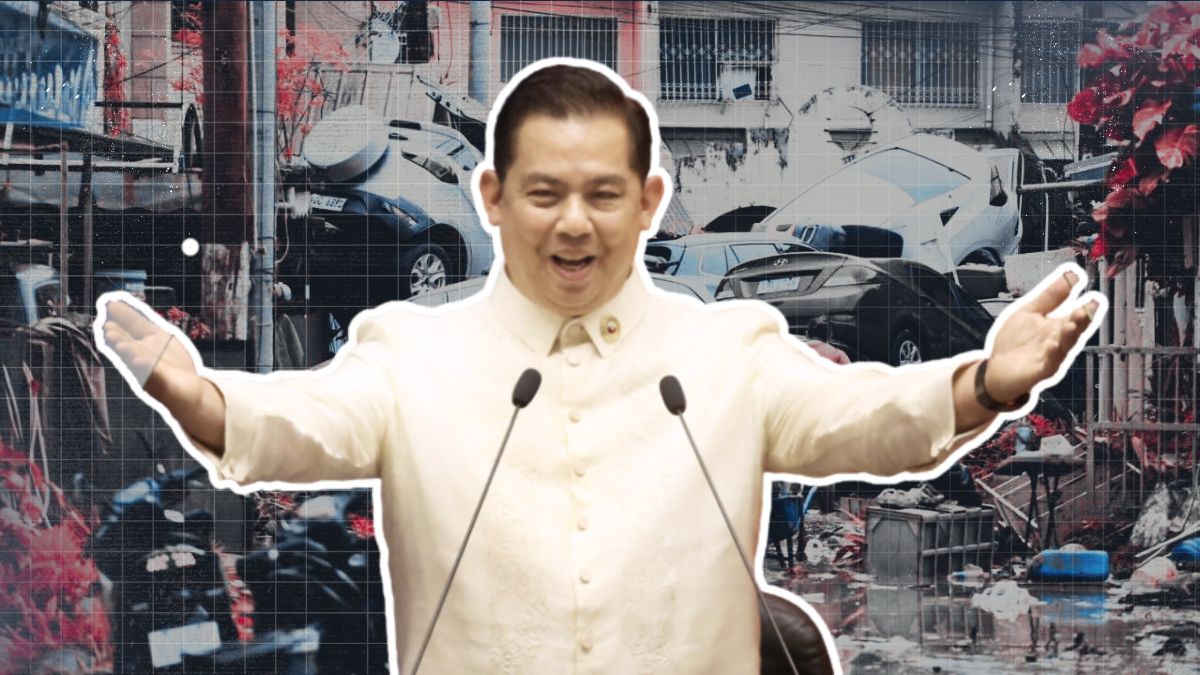
A civil case has been filed over alleged ghost and failed flood control projects—projects that reportedly involved billions of pesos in public funds.

And that’s where many Filipinos pause.
Because when the issue involves billions, recurring floods, and communities left vulnerable year after year, the public naturally asks a harder question:
Why is this only a civil case?
A civil case addresses liability and damages.
But flood control failures are not abstract losses.
They affect homes, livelihoods, and lives.
According to reports citing investigative findings, huge sums were allocated for flood control, yet flooding persisted with little to no improvement on the ground. Residents are not asking for drama—they are asking for answers.
This is not about presuming guilt.
It is about proportional accountability.
If allegations involve massive public funds and systemic failure, then a purely civil route can feel insufficient to a public that has grown weary of seeing big controversies end quietly.
The concern is not vengeance.
It is deterrence.
Because when consequences appear light compared to the scale of alleged damage, the system sends an unintended message:
that power softens accountability.
Scripture offers a sobering reminder for those entrusted with authority:
“From everyone who has been given much, much will be demanded.”
— Luke 12:48
Public office is stewardship.
And stewardship requires answers that match the weight of the trust given.
Politikanta Minute takeaway:
When billions are questioned and communities still flood, accountability must feel real—not symbolic. Otherwise, justice risks looking like paperwork, not protection.