RAFFY TULFO PRESSES LAND BANK WITNESS: “WALA KAYONG HAWAK NA DOKUMENTO” DESIGNATING FAJARDA AS SDO
“Wala? Laway Lang?” Tulfo Questions LandBank Over Fajarda's SDO Authorization
By Politikanta Minute | July 29, 2026
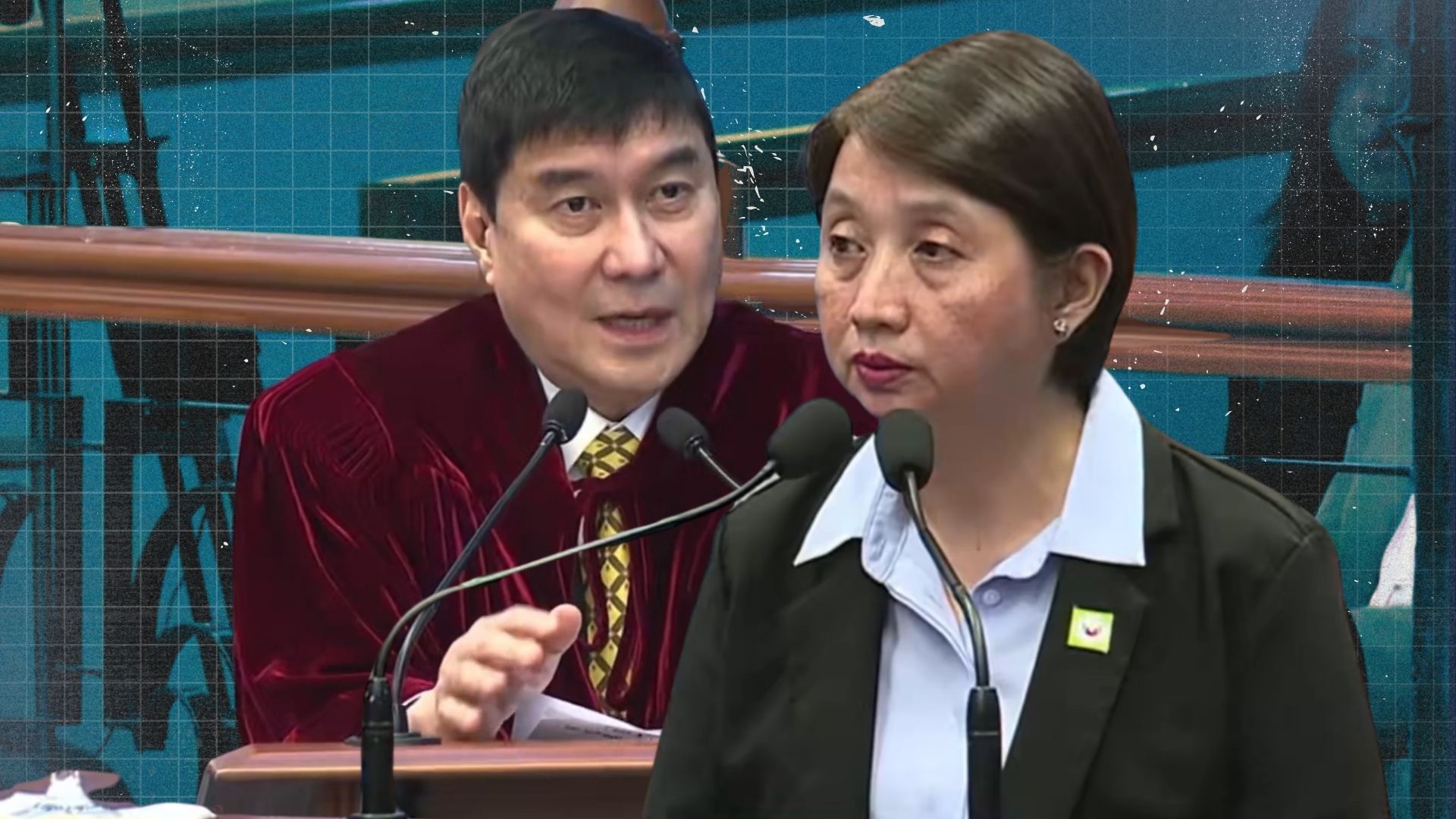
A tense exchange unfolded during a Senate hearing as Senator Raffy Tulfo questioned a LandBank witness over the documents allegedly used to establish Edward Fajarda's authority to transact on behalf of the Department of Education.
The central issue raised by Tulfo was straightforward:
Did LandBank receive an official document proving that Fajarda had been formally designated as the Department of Education's Special Disbursing Officer, or SDO?
According to the witness's testimony during the exchange, the answer was no.
That response immediately drew Tulfo's attention.
“Wala Kayong Hawak na Dokumento”
Tulfo repeatedly pressed the witness about whether LandBank had documentation showing that Fajarda had been formally designated as the SDO by the head of the agency.
The witness confirmed that no such document had been submitted to the bank.
Tulfo then clarified the issue.
The question was not simply whether Fajarda showed identification.
The question was whether he presented an official document from the agency head designating him as the authorized SDO who could transact with the bank.
Again, the witness said no such document was available.
That prompted Tulfo's pointed reaction:
“Wala? Laway lang?”
The exchange highlighted the distinction between a person identifying themselves as an authorized representative and a person having documentary proof of that authority.
The SDO Designation Question
Tulfo referred during the hearing to the applicable COA circular and explained his understanding of the procedure.
According to his explanation, the agency head—or the appropriate official under the rules—should formally designate the person who will serve as the SDO.
That designation should be documented.
In the scenario being discussed, Tulfo's question was essentially:
If Fajarda was indeed the designated SDO, where was the document proving that designation?
The witness repeatedly answered that no such document had been presented to LandBank.
The testimony therefore raised questions about how the bank established that Fajarda had the authority to transact on behalf of the Department of Education.
“Ako Si Fajarda”
Tulfo then described what appeared to be the process as explained during the hearing.
Fajarda allegedly went to the bank, presented identification, and represented himself as the designated SDO.
The witness acknowledged that Fajarda presented identification.
But when Tulfo asked whether Fajarda also presented a document formally designating him as the SDO, the answer remained negative.
Tulfo then challenged the process.
The implication of his questioning was clear:
Is presenting identification enough to establish authority to withdraw or transact large amounts of government funds?
Or should the bank require official documentation confirming that the person has actually been designated by the agency?
Who Called the Bank?
Tulfo then shifted his questioning to another part of the process.
He asked how LandBank would know that Fajarda was authorized to withdraw or transact the funds involved.
The witness explained that the bank received calls from Sonia De Leon, identified during the hearing as the head of the Department of Education's cash division.
Tulfo acknowledged that De Leon was known to the bank as a Department of Education official.
But the senator continued to focus on the missing designation document.
Even if someone from the agency called the bank to inform them that Fajarda would be transacting, Tulfo's concern appeared to be whether there was an actual written document formally designating Fajarda as the SDO.
That distinction became the central point of the exchange.
The Bigger Question: Verification
The hearing raises a broader question about the safeguards surrounding government funds.
When a person arrives at a bank claiming to be authorized to transact on behalf of a government agency, what documentation should be required?
Is an identification card enough?
Is a phone call from a known government employee enough?
Or should there be formal written documentation showing exactly who has been authorized to handle the transaction?
These questions become particularly important when large sums of public money are involved.
Banks have procedures designed to verify identities and authority.
Government agencies also have rules governing who can handle public funds.
When those two systems meet, documentation becomes critical.
The Politikanta Minute Take
Tulfo's line of questioning focused on one basic principle:
Authority should be documented.
If someone is officially designated to act on behalf of a government agency, there should ordinarily be a clear paper trail showing that designation.
That's especially important when the person is authorized to transact significant amounts of public money.
The witness's testimony, as presented during the hearing, indicates that LandBank did not have a formal designation document identifying Fajarda as the SDO.
Instead, the testimony suggests that the bank relied on the circumstances presented at the time—including Fajarda's identification and communications from a Department of Education official.
That's precisely what Tulfo appeared to be challenging.
The issue isn't simply whether Fajarda was, in fact, authorized.
The issue is whether the bank had documentary proof of that authority before allowing the transactions to proceed.
Those are two different questions.
And that distinction matters.
A person can claim to be authorized.
A person can even be known to officials inside an organization.
But when public funds are involved, the question remains:
Where is the document?
That was the heart of Tulfo's questioning.
And based on the exchange, the answer from the witness was repeated several times:
“Wala po.”
For a Senate hearing examining how government funds were handled, that answer alone is enough to raise serious questions about the verification process.
The next step is determining what the applicable rules actually required, what documents existed elsewhere within the Department of Education, and whether those documents were ever properly transmitted to LandBank.
Because when it comes to public money, trust is important—but documentation is supposed to make that trust verifiable.
✝️ BIBLE VERSE CONNECTION
2 Corinthians 8:21 (KJV)
“Providing for honest things, not only in the sight of the Lord, but also in the sight of men.”
Exegesis / Reflection
This verse speaks directly to the importance of transparency when handling resources entrusted to someone.
In the context of the Senate hearing, the issue being raised is not merely whether someone claimed to have authority.
The question is whether that authority was properly documented and verifiable.
When public funds are involved, accountability should not depend solely on personal trust.
There should be systems.
There should be records.
There should be documentation.
The principle behind the verse is that doing what is right should also be done in a way that can withstand public examination.
That is particularly important for government institutions.
Public money belongs to the people.
Those entrusted to handle it therefore have a responsibility to maintain a clear and verifiable paper trail.
The lesson is simple:
If authority is legitimate, documentation should help prove it.
Transparency protects the honest.
Accountability exposes wrongdoing.
And proper documentation helps ensure that both can be distinguished.
Imee Marcos URGES PALACE TO SEEK RELEASE OF Rodrigo Duterte
BBM Watch|Senate Circus|Global News
March 11, 2026•1 min read
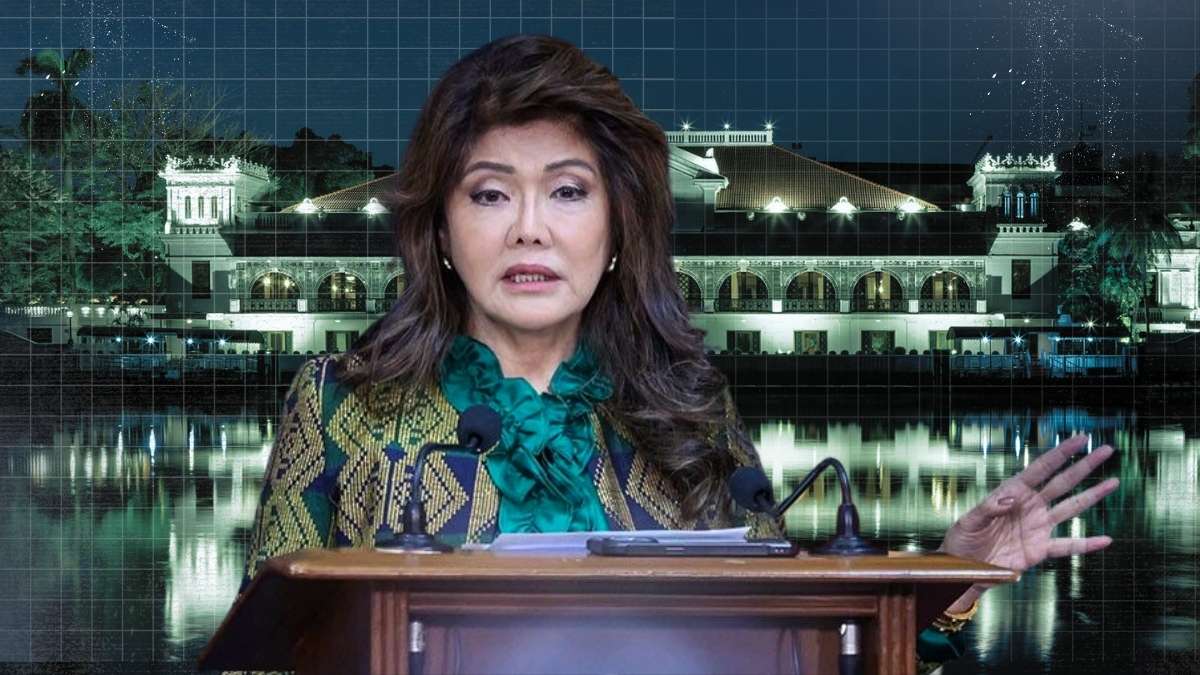
Nanawagan si Imee Marcos sa pamahalaan na kumilos upang hanapan ng paraan ang pagpapalaya kay Rodrigo Duterte, kasunod ng mga kontrobersiyang kinasasangkutan ng dating pangulo.
Ayon kay Marcos, mahalagang kumilos ang administrasyon upang matiyak na napoprotektahan ang karapatan at kapakanan ng isang dating lider ng bansa.
Binigyang-diin ng senador na ang usapin ay hindi lamang tungkol sa politika kundi pati na rin sa dignidad at soberanya ng bansa.
Para sa kanya, nararapat na gamitin ng pamahalaan ang lahat ng legal at diplomatikong paraan upang maipagtanggol ang interes ng Pilipinas at ng mga dating opisyal nito.
Usapin ng Pamahalaan
Sa kanyang panawagan, sinabi ni Marcos na dapat suriin ng Palasyo ang mga hakbang na maaaring gawin upang matulungan ang dating pangulo, lalo na kung may mga usaping internasyonal na sangkot.
Ayon sa kanya, mahalagang ipakita ng gobyerno na handa itong ipaglaban ang kapakanan ng mga Pilipino, lalo na ng mga dating lider na nagsilbi sa bansa.
Reaksyon ng Publiko
Ang pahayag ni Marcos ay nagbunsod ng iba’t ibang reaksyon mula sa publiko. May mga sumusuporta sa kanyang panawagan habang ang iba naman ay naniniwala na dapat igalang ang proseso ng batas at mga institusyong may kinalaman sa kaso.
Sa gitna ng debate, nananatiling malinaw na ang usapin ay patuloy na sinusubaybayan ng maraming Pilipino.
⚡ Politikanta Satirical Jab
Sa politika, madalas nating marinig ang salitang “rule of law.”
Pero kapag dating sa mga dating pangulo o makapangyarihang personalidad, ang tanong ng bayan:
Pareho ba talaga ang batas para sa lahat… o may mga pagkakataong nagiging selective ang hustisya?
📖 Bible Reflection
Proverbs 21:15
“When justice is done, it brings joy to the righteous but terror to evildoers.”
Ang tunay na hustisya ay hindi dapat nakabase sa kapangyarihan o pangalan.
Ito ay dapat pantay para sa lahat.